THE ADVENTURE COLLECTIVE® · Independent discovery and booking for outdoor travel

A private, four-day loop from Delhi to Agra and Jaipur that packs Mughal tombs, Rajput palaces, and colonial Delhi into an efficient cultural circuit. Perfect for travelers who want guided insight and sunrise at the Taj.
A private, four-day loop from Delhi to Agra and Jaipur that packs Mughal tombs, Rajput palaces, and colonial Delhi into an efficient cultural circuit. Perfect for travelers who want guided insight and sunrise at the Taj.
The morning light in Agra falls cool on marble; the Taj Mahal’s silhouette dares you to step closer as the crowd thins. On this private four-day circuit from Delhi you move between the imperial pulse of Delhi, the Mughal calm of Agra, and the pink-stone drama of Jaipur—each city offering a different tempo and texture.
Verified experiences and guided adventures in the surrounding area.
Operated by Yoganshi Travel · New Delhi, Delhi
The morning light in Agra falls cool on marble; the Taj Mahal’s silhouette dares you to step closer as the crowd thins. On this private four-day circuit from Delhi you move between the imperial pulse of Delhi, the Mughal calm of Agra, and the pink-stone drama of Jaipur—each city offering a different tempo and texture.
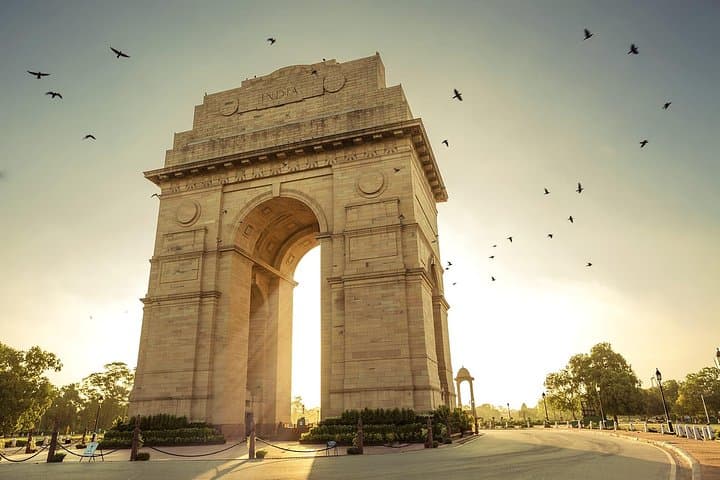
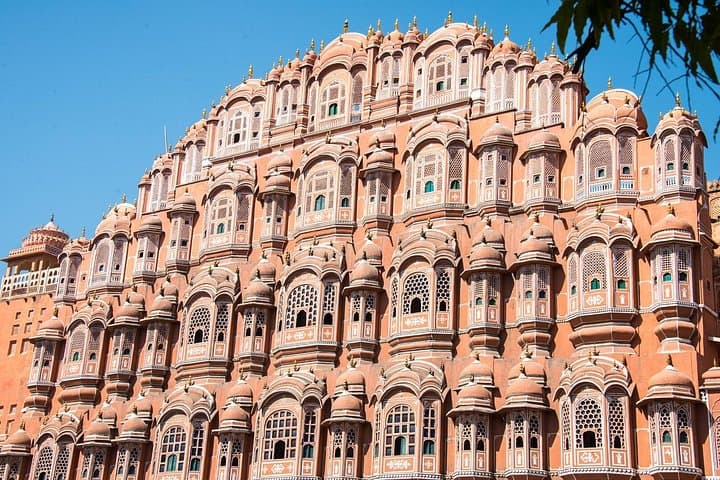
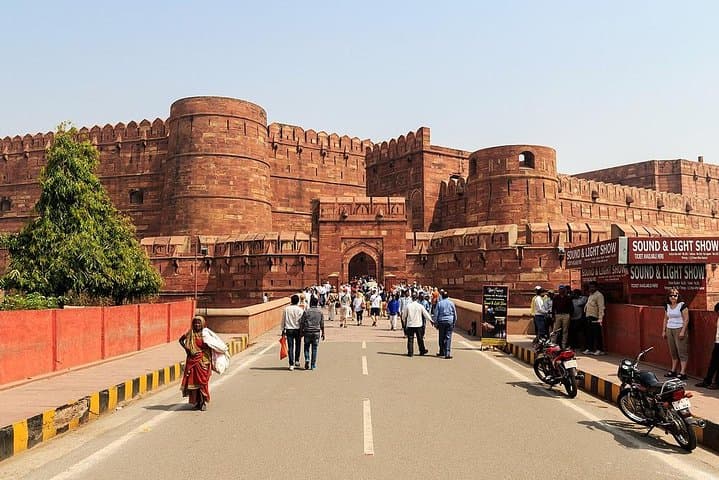
Delhi’s layered history is visible in stone: Mughal-era Jama Masjid and Red Fort, British-era India Gate and colonial avenues, and the Qutub Minar rising from older bedrock. Agra’s monuments reflect Mughal patronage and funerary art, with Fatehpur Sikri nearby—a red-sandstone ghost city that explains the politics behind Mughal expansion. Jaipur introduces Rajput urban planning: fortified Amber, the ventilated facade of Hawa Mahal, and observational astronomy at Jantar Mantar.
Travel is by private, air-conditioned vehicle with local guides in each city; accommodations are standard three-star hotels, and breakfast is included. Expect substantial walking on uneven stone floors, brief rickshaw rides in Old Delhi, and one sunrise visit to the Taj. Cultural norms are important—modest dress in religious sites, and bargaining is part of the market rhythm.
Practical tips: schedule the Taj at sunrise to avoid heat and crowds, carry a refillable water bottle, and allow buffer time for traffic between cities (drives of 4–6 hours are common). Photographers should bring a mid-range zoom and a neutral filter for sunrise glare. With basic mobility and a readiness for long days, the Golden Triangle delivers concentrated history, architectural clarity, and the kind of urban landscapes that reward curiosity.
moderate.
4 days.
Suitable for travelers with basic fitness who can handle several hours of walking on uneven surfaces and a few long drives.
The Taj is closed on Fridays for prayers; plan your itinerary accordingly and aim for sunrise or late afternoon visits to avoid the busiest periods.
This tour description lists private local guides and transport; verify whether monument entry fees are included with the operator before booking.
Expect roughly 3–6 hours per transfer—Delhi to Jaipur ~5 hours, Jaipur to Agra ~4–5 hours depending on traffic and stops.
Visitors to India typically need a visa; health requirements can vary—check current Indian entry rules and routine immunizations before travel.
The Golden Triangle cities reflect political layers: Mughal imperial design in Agra, Rajput princely rule in Jaipur, and colonial and pre-colonial layers in Delhi.
High visitor volumes stress heritage sites; follow signage, avoid touching carvings, and use refillable bottles to reduce plastic waste.
Yoganshi Travel operates guided outdoor trips and adventures with an emphasis on safety, stewardship, and memorable experiences.
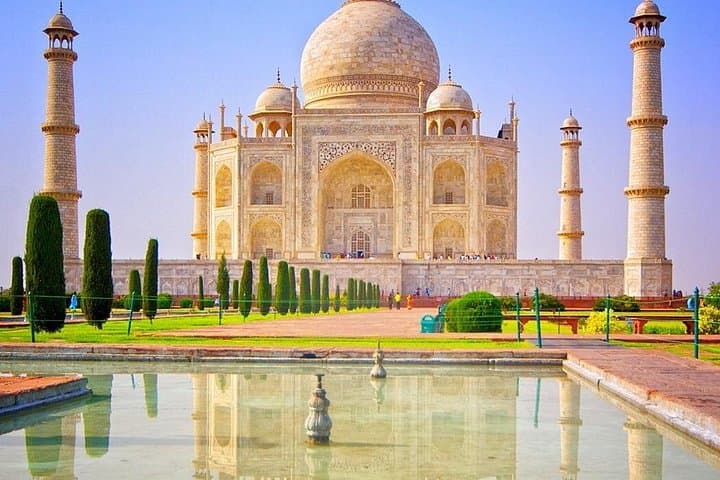
The morning light in Agra falls cool on marble; the Taj Mahal’s silhouette dares you to step closer as the crowd thins. On this private four-day circuit from Delhi you move between the imperial pulse of Delhi, the Mughal calm of Agra, and the pink-stone drama of Jaipur—each city offering a different tempo and texture.
The morning light in Agra falls cool on marble; the Taj Mahal’s silhouette dares you to step closer as the crowd thins. On this private four-day circuit from Delhi you move between the imperial pulse of Delhi, the Mughal calm of Agra, and the pink-stone drama of Jaipur—each city offering a different tempo and texture.
Delhi’s layered history is visible in stone: Mughal-era Jama Masjid and Red Fort, British-era India Gate and colonial avenues, and the Qutub Minar rising from older bedrock. Agra’s monuments reflect Mughal patronage and funerary art, with Fatehpur Sikri nearby—a red-sandstone ghost city that explains the politics behind Mughal expansion. Jaipur introduces Rajput urban planning: fortified Amber, the ventilated facade of Hawa Mahal, and observational astronomy at Jantar Mantar.
Travel is by private, air-conditioned vehicle with local guides in each city; accommodations are standard three-star hotels, and breakfast is included. Expect substantial walking on uneven stone floors, brief rickshaw rides in Old Delhi, and one sunrise visit to the Taj. Cultural norms are important—modest dress in religious sites, and bargaining is part of the market rhythm.
Practical tips: schedule the Taj at sunrise to avoid heat and crowds, carry a refillable water bottle, and allow buffer time for traffic between cities (drives of 4–6 hours are common). Photographers should bring a mid-range zoom and a neutral filter for sunrise glare. With basic mobility and a readiness for long days, the Golden Triangle delivers concentrated history, architectural clarity, and the kind of urban landscapes that reward curiosity.