THE ADVENTURE COLLECTIVE® · Independent discovery and booking for outdoor travel

Covering about 720 km over four days, this private Golden Triangle tour links Delhi’s monuments, Agra’s sunrise at the Taj Mahal, and Jaipur’s hilltop forts. Ideal for travelers who want curated cultural access with door-to-door logistics.
Covering about 720 km over four days, this private Golden Triangle tour links Delhi’s monuments, Agra’s sunrise at the Taj Mahal, and Jaipur’s hilltop forts. Ideal for travelers who want curated cultural access with door-to-door logistics.
You step out of an air-conditioned car into the cool pre-dawn at Agra, the Yamuna river pushing a pale mist across the gardens while the Taj Mahal catches the first light like polished bone. Over four days the route unfolds: colonial avenues and sandstone towers of Delhi, the marble hush of Shah Jahan’s mausoleum, and the pink city ramparts and hilltop forts of Jaipur. The circuit covers roughly 720 km by road, with each driving leg usually 4–6 hours along highways and expressways.
Verified experiences and guided adventures in the surrounding area.
Operated by Royal Majestic Tour · New Delhi, Delhi
You step out of an air-conditioned car into the cool pre-dawn at Agra, the Yamuna river pushing a pale mist across the gardens while the Taj Mahal catches the first light like polished bone. Over four days the route unfolds: colonial avenues and sandstone towers of Delhi, the marble hush of Shah Jahan’s mausoleum, and the pink city ramparts and hilltop forts of Jaipur. The circuit covers roughly 720 km by road, with each driving leg usually 4–6 hours along highways and expressways.
This itinerary threads Mughal palaces and Rajput bastions. Delhi’s 12th-century Qutub Minar and Imperial-era government buildings recall layered empires; Agra Fort charts Mughal residency before the capital moved to Delhi; Jaipur’s Amer Fort and Jantar Mantar reflect Rajput power and early-modern astronomy. Geologically the route moves from the floodplain of the Yamuna to the low Aravalli foothills around Jaipur, where laterite and sandstone frame stepped wells and lakes.
Expect urban hustle between monuments: narrow bazaar lanes, mandatory shoe checks, and long queues at sunrise or late afternoon. Practical rhythm matters—plan Taj at first light for cooler temperatures and softer photography, and schedule Jaipur’s hill forts in the morning to avoid midday heat. Wear sturdy walking shoes for uneven stone steps and bring a refillable water bottle; hydration is decisive when crossing exposed courtyards and ramparts.
This private, door-to-door tour suits travelers who want curated cultural access without strenuous exertion. Budget time for local traffic and passport/entry procedures at major sites; combine patience with planning and the route becomes a compact primer in north India’s imperial and royal landscapes.
easy.
4 days.
Light fitness; able to walk 1–3 miles on uneven stone, climb stairs and manage short standing periods
Each road segment is typically 4–6 hours depending on traffic; the total circuit is about 720 km by road.
This private itinerary schedules Taj Mahal visits but entrance fees are generally paid at the site unless explicitly listed as included—confirm before travel.
Major sites have limited accessibility—many forts and museums include steps and uneven surfaces; contact the operator to arrange specific assistance or alternate routes.
Carry Indian rupees for small purchases; tipping guides, drivers and porters is customary (roughly 200–500 INR per day for guides depending on service).
The Golden Triangle condenses centuries: Delhi’s Sultanate and British-era structures, Mughal masterpieces in Agra, and Jaipur’s 18th-century planned city founded by Sawai Jai Singh II.
Tourism pressure at major monuments has prompted timed entries and visitor limits at the Taj and heritage sites; use refillable bottles and follow site rules to minimize impact.
Royal Majestic Tour operates guided outdoor trips and adventures with an emphasis on safety, stewardship, and memorable experiences.
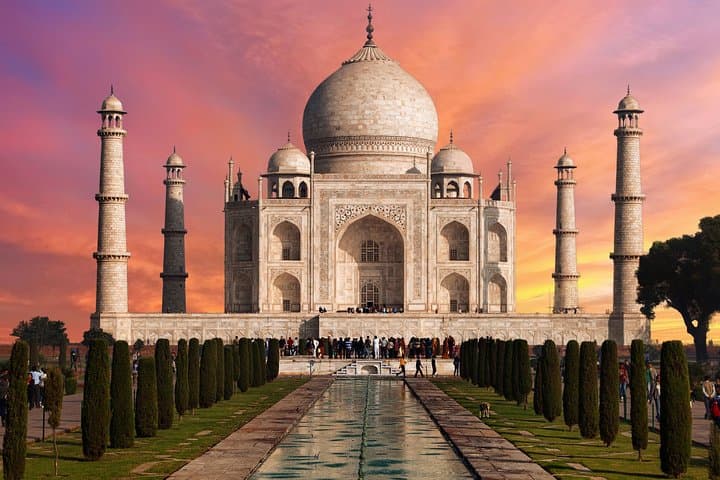
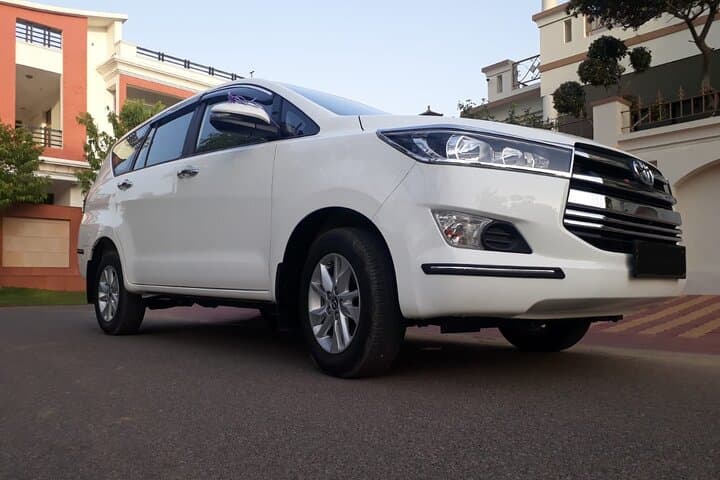
You step out of an air-conditioned car into the cool pre-dawn at Agra, the Yamuna river pushing a pale mist across the gardens while the Taj Mahal catches the first light like polished bone. Over four days the route unfolds: colonial avenues and sandstone towers of Delhi, the marble hush of Shah Jahan’s mausoleum, and the pink city ramparts and hilltop forts of Jaipur. The circuit covers roughly 720 km by road, with each driving leg usually 4–6 hours along highways and expressways.
You step out of an air-conditioned car into the cool pre-dawn at Agra, the Yamuna river pushing a pale mist across the gardens while the Taj Mahal catches the first light like polished bone. Over four days the route unfolds: colonial avenues and sandstone towers of Delhi, the marble hush of Shah Jahan’s mausoleum, and the pink city ramparts and hilltop forts of Jaipur. The circuit covers roughly 720 km by road, with each driving leg usually 4–6 hours along highways and expressways.
This itinerary threads Mughal palaces and Rajput bastions. Delhi’s 12th-century Qutub Minar and Imperial-era government buildings recall layered empires; Agra Fort charts Mughal residency before the capital moved to Delhi; Jaipur’s Amer Fort and Jantar Mantar reflect Rajput power and early-modern astronomy. Geologically the route moves from the floodplain of the Yamuna to the low Aravalli foothills around Jaipur, where laterite and sandstone frame stepped wells and lakes.
Expect urban hustle between monuments: narrow bazaar lanes, mandatory shoe checks, and long queues at sunrise or late afternoon. Practical rhythm matters—plan Taj at first light for cooler temperatures and softer photography, and schedule Jaipur’s hill forts in the morning to avoid midday heat. Wear sturdy walking shoes for uneven stone steps and bring a refillable water bottle; hydration is decisive when crossing exposed courtyards and ramparts.
This private, door-to-door tour suits travelers who want curated cultural access without strenuous exertion. Budget time for local traffic and passport/entry procedures at major sites; combine patience with planning and the route becomes a compact primer in north India’s imperial and royal landscapes.