THE ADVENTURE COLLECTIVE® · Independent discovery and booking for outdoor travel

A compact four-day loop through India’s Golden Triangle—New Delhi, Agra and Jaipur—designed for travelers who want streamlined logistics, guided highlights and mid-range hotel stays. Expect long drives, early starts for photos and focused cultural storytelling at UNESCO monuments.
A compact four-day loop through India’s Golden Triangle—New Delhi, Agra and Jaipur—designed for travelers who want streamlined logistics, guided highlights and mid-range hotel stays. Expect long drives, early starts for photos and focused cultural storytelling at UNESCO monuments.
You step out of the car into a wall of sunlight and the low roar of a city that never truly sleeps—New Delhi on the first morning of a four-day route that traces Mughal arches, sandstone ramparts and royal courts.
Verified experiences and guided adventures in the surrounding area.
Operated by Unseen Tours and Travels · New Delhi, Delhi
You step out of the car into a wall of sunlight and the low roar of a city that never truly sleeps—New Delhi on the first morning of a four-day route that traces Mughal arches, sandstone ramparts and royal courts.
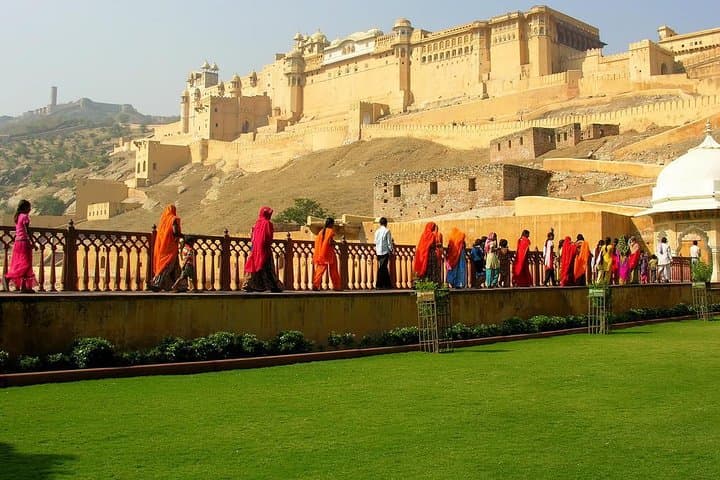
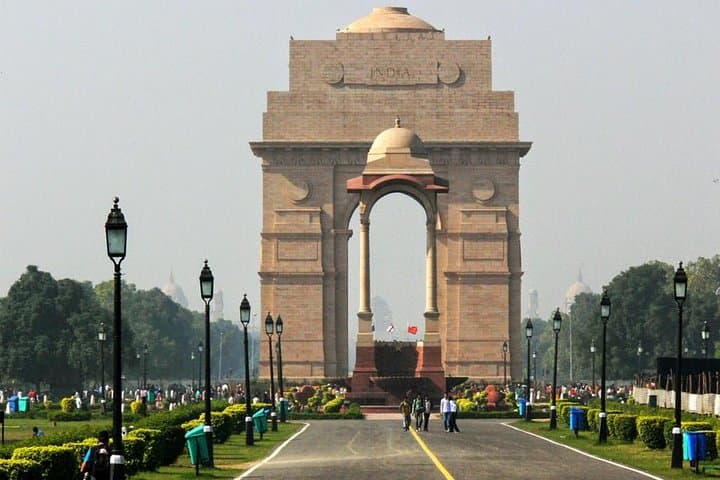
The itinerary moves deliberately: a guided sweep of New Delhi’s ceremonial axis and Lotus Temple, the long river-side approach to the Taj Mahal in Agra, a twilight visit to Agra Fort, then a day driving west through Fatehpur Sikri’s red sandstone courtyards and the ancient geometric well at Abhaneri before arriving in Jaipur’s hill-punctuated Amer Fort.
This journey is as much about history as architecture. The Taj Mahal chronicles a 17th-century emperor’s grief; Fatehpur Sikri preserves Mughal experimentation with public and private space; Jaipur’s grid and observatory speak to 18th-century urban planning and astronomical study. Geology peeks through in the region’s red sandstone and marble—the materials that shape light and temperature in public rooms and ramparts.
Practicalities matter: expect long drives between cities (3–5 hours each), variable traffic, and mornings scheduled to catch cool light at monuments. Hotels are mid-range (3–4 star) with breakfasts included; an AC vehicle and local guides in Agra and Jaipur are standard.
Pack layered clothing for cool mornings and hot afternoons, carry a refillable water bottle, and allow extra time for security lines at UNESCO sites. For travelers who want concentrated cultural immersion without independent logistics, this guided Golden Triangle loop delivers efficient access to India’s most visited historical sites with the convenience of transport and lodging arranged.
easy.
4 days.
Suitable for most fitness levels; expect multiple short walks, steps at forts and some prolonged periods in vehicles.
Most major monuments require separate entry tickets; the tour description notes guide services but not all admissions—confirm which fees are covered when booking.
Typical transfers are 3–5 hours depending on route and traffic: Delhi–Agra ~3–4 hours, Agra–Jaipur ~4–5 hours.
Yes—physical demands are light, but long vehicle time and walking on steps may be tiring; check medical considerations for those with cardiovascular issues.
This listing is private and guided; many operators accept custom requests for hotel class or timing—confirm customization options at booking.
The Golden Triangle links cities that were centers of Mughal power and Rajput administration from the 16th to 18th centuries; Jaipur’s grid was a planned capital created in 1727.
High visitor numbers stress heritage sites and water resources; travelers are encouraged to use refillable bottles, follow site rules, and avoid single-use plastics.
Unseen Tours and Travels operates guided outdoor trips and adventures with an emphasis on safety, stewardship, and memorable experiences.
You step out of the car into a wall of sunlight and the low roar of a city that never truly sleeps—New Delhi on the first morning of a four-day route that traces Mughal arches, sandstone ramparts and royal courts.
You step out of the car into a wall of sunlight and the low roar of a city that never truly sleeps—New Delhi on the first morning of a four-day route that traces Mughal arches, sandstone ramparts and royal courts.
The itinerary moves deliberately: a guided sweep of New Delhi’s ceremonial axis and Lotus Temple, the long river-side approach to the Taj Mahal in Agra, a twilight visit to Agra Fort, then a day driving west through Fatehpur Sikri’s red sandstone courtyards and the ancient geometric well at Abhaneri before arriving in Jaipur’s hill-punctuated Amer Fort.
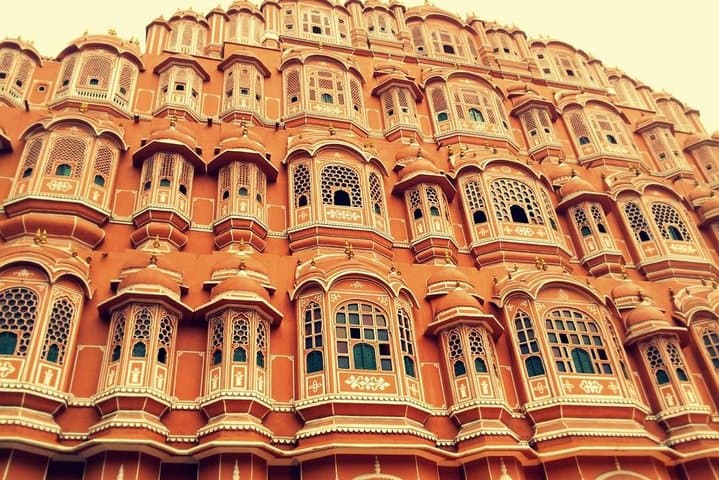
This journey is as much about history as architecture. The Taj Mahal chronicles a 17th-century emperor’s grief; Fatehpur Sikri preserves Mughal experimentation with public and private space; Jaipur’s grid and observatory speak to 18th-century urban planning and astronomical study. Geology peeks through in the region’s red sandstone and marble—the materials that shape light and temperature in public rooms and ramparts.
Practicalities matter: expect long drives between cities (3–5 hours each), variable traffic, and mornings scheduled to catch cool light at monuments. Hotels are mid-range (3–4 star) with breakfasts included; an AC vehicle and local guides in Agra and Jaipur are standard.
Pack layered clothing for cool mornings and hot afternoons, carry a refillable water bottle, and allow extra time for security lines at UNESCO sites. For travelers who want concentrated cultural immersion without independent logistics, this guided Golden Triangle loop delivers efficient access to India’s most visited historical sites with the convenience of transport and lodging arranged.