THE ADVENTURE COLLECTIVE® · Independent discovery and booking for outdoor travel

Cover Delhi, Agra and Jaipur in three efficient days—sunrise at the Taj Mahal, Mughal forts, and Jaipur’s palaces—while practical pickup, tickets, and guided stops keep the itinerary compact and manageable.
Cover Delhi, Agra and Jaipur in three efficient days—sunrise at the Taj Mahal, Mughal forts, and Jaipur’s palaces—while practical pickup, tickets, and guided stops keep the itinerary compact and manageable.
Daybreak in Delhi: the city wakes with vendors arranging chai stalls and the first light catching red sandstone façades of Humayun’s Tomb. Over three compact days the route threads through layered histories — Mughal gardens, imperial tombs, and fortified citadels — moving from Delhi’s broad avenues to Agra’s marble calm and Jaipur’s ochre palaces.
Verified experiences and guided adventures in the surrounding area.
Operated by Taj Mahal Tour Agra · New Delhi, Delhi
Daybreak in Delhi: the city wakes with vendors arranging chai stalls and the first light catching red sandstone façades of Humayun’s Tomb. Over three compact days the route threads through layered histories — Mughal gardens, imperial tombs, and fortified citadels — moving from Delhi’s broad avenues to Agra’s marble calm and Jaipur’s ochre palaces.
This loop follows corridors carved by Mughal emperors and later rulers: Humayun’s gardened tomb and the Red Fort in Delhi, Shah Jahan’s white-marble Taj Mahal and Agra Fort on the Yamuna’s bank, and Jaipur’s City Palace and Jantar Mantar, built by Sawai Jai Singh in the 18th century. Geology shifts subtly — alluvial plains give way to river terraces near Agra while Jaipur’s sandstone hills frame the city.
Travelers will encounter living craft traditions: marble inlay work around Agra, block-printed textiles in Jaipur, and Delhi’s street-food culture. Local drivers and guides smooth logistics; many itineraries include hotel pickup and monument entry.
Practical guidance: plan early starts to avoid heat and crowds at the Taj Mahal, allow time for security lines at major monuments, and carry a refillable water bottle and breathable clothing. Footwear should handle cobbled courtyards and temple steps. Respect religious dress codes at mosques and temples and budget time for city traffic between stops.
For planners: confirm which monument tickets are included, check pickup details and luggage limits, and prioritize one or two highlights per city if you prefer a less rushed pace. This three-day Golden Triangle is dense but manageable for travelers who want a concentrated survey of northern India’s architectural high points.
easy.
3 days.
Suitable for travelers in average physical condition—ability to walk several blocks and climb stairs is helpful.
The tour description indicates monuments entry tickets are included if that option is selected—confirm at booking which ticket package you chose.
Yes—this private tour offers pickup and drop-off; provide arrival details at booking so the operator can arrange transfers.
Many transport and some sites report wheelchair accessibility, but older monuments have steps and uneven surfaces—check specific site access and request assistance in advance.
October–March offers milder weather and clearer skies; avoid peak summer months if you dislike intense heat.
The Golden Triangle connects sites shaped by Mughal and Rajput rulers from the 16th–18th centuries—Shah Jahan’s Taj and Shah Jahan-era forts anchor the route.
High visitor numbers put pressure on monuments; choose certified guides, avoid littering, and use designated paths to help preserve delicate surfaces.
Taj Mahal Tour Agra operates guided outdoor trips and adventures with an emphasis on safety, stewardship, and memorable experiences.
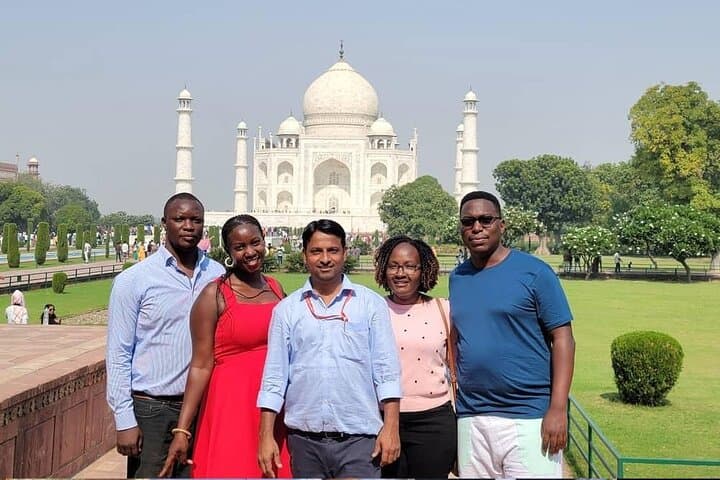
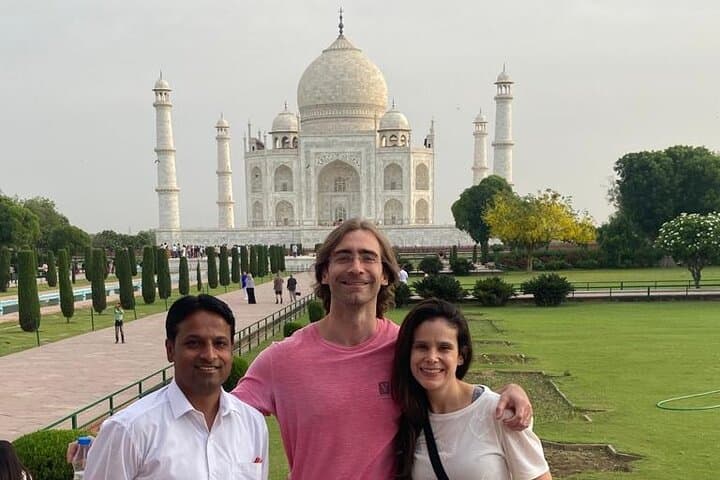
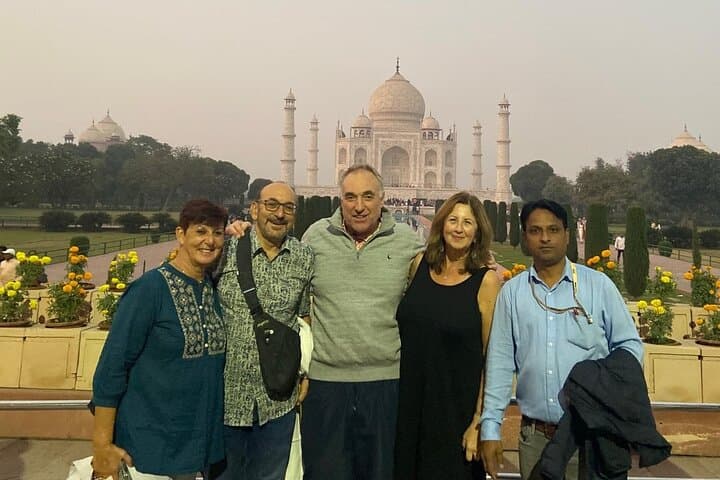
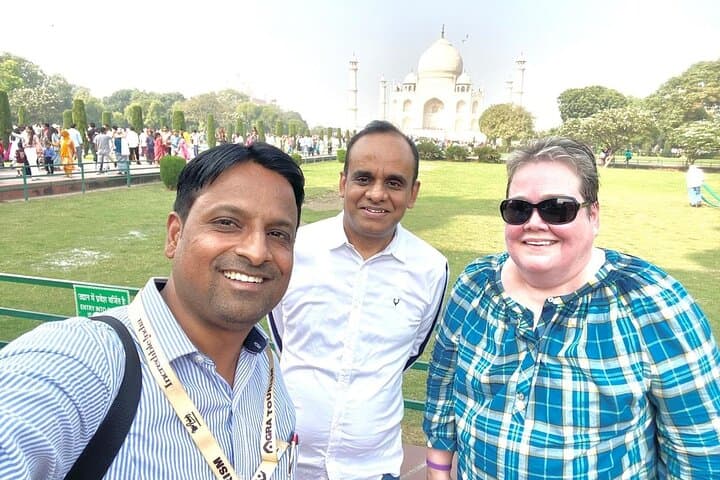
Daybreak in Delhi: the city wakes with vendors arranging chai stalls and the first light catching red sandstone façades of Humayun’s Tomb. Over three compact days the route threads through layered histories — Mughal gardens, imperial tombs, and fortified citadels — moving from Delhi’s broad avenues to Agra’s marble calm and Jaipur’s ochre palaces.
Daybreak in Delhi: the city wakes with vendors arranging chai stalls and the first light catching red sandstone façades of Humayun’s Tomb. Over three compact days the route threads through layered histories — Mughal gardens, imperial tombs, and fortified citadels — moving from Delhi’s broad avenues to Agra’s marble calm and Jaipur’s ochre palaces.
This loop follows corridors carved by Mughal emperors and later rulers: Humayun’s gardened tomb and the Red Fort in Delhi, Shah Jahan’s white-marble Taj Mahal and Agra Fort on the Yamuna’s bank, and Jaipur’s City Palace and Jantar Mantar, built by Sawai Jai Singh in the 18th century. Geology shifts subtly — alluvial plains give way to river terraces near Agra while Jaipur’s sandstone hills frame the city.
Travelers will encounter living craft traditions: marble inlay work around Agra, block-printed textiles in Jaipur, and Delhi’s street-food culture. Local drivers and guides smooth logistics; many itineraries include hotel pickup and monument entry.
Practical guidance: plan early starts to avoid heat and crowds at the Taj Mahal, allow time for security lines at major monuments, and carry a refillable water bottle and breathable clothing. Footwear should handle cobbled courtyards and temple steps. Respect religious dress codes at mosques and temples and budget time for city traffic between stops.
For planners: confirm which monument tickets are included, check pickup details and luggage limits, and prioritize one or two highlights per city if you prefer a less rushed pace. This three-day Golden Triangle is dense but manageable for travelers who want a concentrated survey of northern India’s architectural high points.