THE ADVENTURE COLLECTIVE® · Independent discovery and booking for outdoor travel

A compact private tour from New Delhi that stitches together the Taj Mahal, Agra Fort and Amber Fort across three days. Ideal for travelers who want curated history, palace visits, and comfortable transport with local guides.
A compact private tour from New Delhi that stitches together the Taj Mahal, Agra Fort and Amber Fort across three days. Ideal for travelers who want curated history, palace visits, and comfortable transport with local guides.
The morning begins on a warm Delhi street with the hum of an air-conditioned sedan and a driver who knows the bazaars by name. Windows frame fields that blur into the silhouette of the Taj Mahal as the sun lifts—white marble catching the first light and the Yamuna threading past, daring you to hold the moment.
Verified experiences and guided adventures in the surrounding area.
Operated by Same Day Tour Agra · New Delhi, Delhi
The morning begins on a warm Delhi street with the hum of an air-conditioned sedan and a driver who knows the bazaars by name. Windows frame fields that blur into the silhouette of the Taj Mahal as the sun lifts—white marble catching the first light and the Yamuna threading past, daring you to hold the moment.
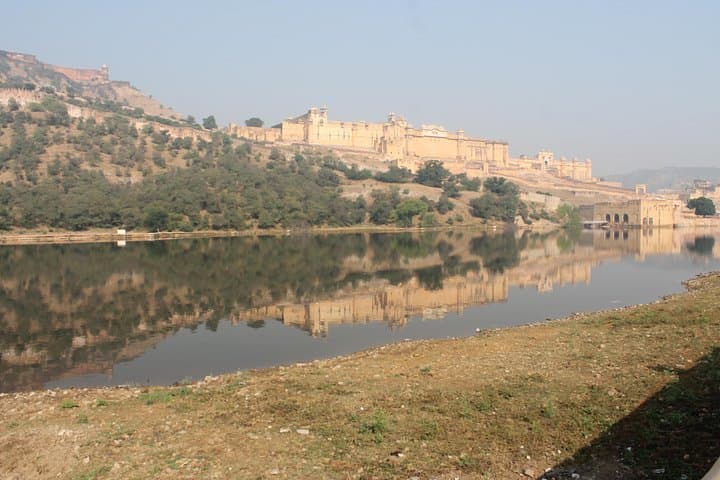
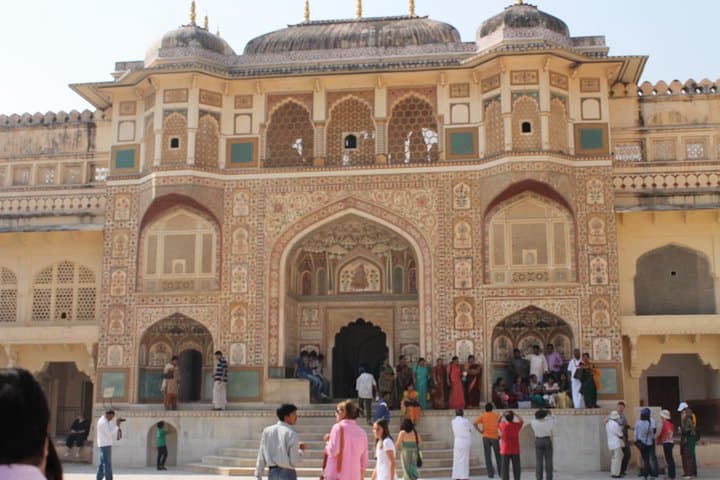
This three-day loop moves through Mughal and Rajput history: the Taj Mahal’s inlaid marble and gardens built under Shah Jahan; the red sandstone ramparts of Agra Fort where emperors planned empires; and Amber Fort’s hilltop terraces overlooking Jaipur’s ochre plains. Jaipur itself is a planned capital from the 18th century—broad avenues, the City Palace’s courtyards, and Jal Mahal’s palace reflected in Man Sagar Lake. Geology and climate shape these places: alluvial plains around Agra, sandstone ridges around Jaipur, heat that presses on late spring afternoons.
Culturally, guides bring local stories—craftspeople in Jaipur, the calligraphy etched into Agra’s walls, and market flavors that pivot from chilies to cardamom. Practicalities matter: the tour runs by private A/C vehicle with guides in each city and hotel stays in Agra and Jaipur; Taj visits are best at sunrise, and note the Taj is closed on Fridays. Expect moderate walking across uneven stone, checkpoints at major sites, and crowds at peak times.
Pack comfortable walking shoes, sun protection, and a small day bag. Plan for early starts, keep hydrated, and leave extra time for photography and slower walks through palaces—these are historic places demanding both curiosity and respect.
easy.
3 days.
Light to moderate fitness; comfortable walking for several hours and climbing short flights of stairs is required.
The Taj Mahal is closed on Fridays for prayer; plan your itinerary so you visit Agra’s other sites on that day and schedule the Taj on a different day.
Guides are provided at each city as part of the tour; check the booking to confirm if monument entrance fees are included or paid locally.
Expect roughly 3–4 hours Delhi to Agra, 4–5 hours Agra to Jaipur, and 5–6 hours back to Delhi depending on traffic and road conditions.
Transportation and many surfaces are wheelchair accessible per the provider, but some historic sites have steps and uneven surfaces—ask ahead to confirm specific access needs.
The route traces Mughal imperial design and Rajput princely courts: Agra and Delhi were major Mughal centers, while Jaipur was a planned 18th-century capital built by Maharaja Sawai Jai Singh II.
Heritage sites face erosion from pollution and visitor pressure; follow local guidance, avoid touching inlaid surfaces, and use marked paths to help preserve monuments.
Same Day Tour Agra operates guided outdoor trips and adventures with an emphasis on safety, stewardship, and memorable experiences.
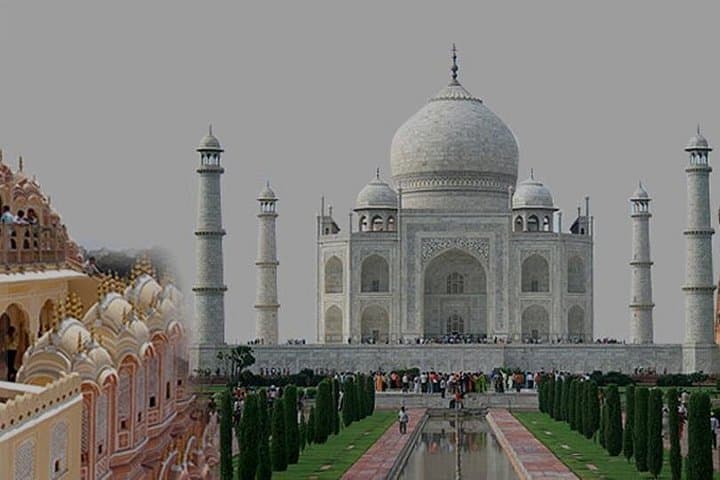
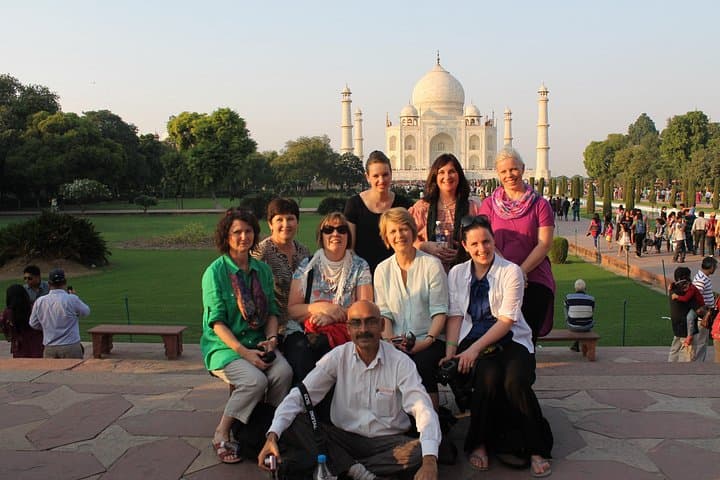
The morning begins on a warm Delhi street with the hum of an air-conditioned sedan and a driver who knows the bazaars by name. Windows frame fields that blur into the silhouette of the Taj Mahal as the sun lifts—white marble catching the first light and the Yamuna threading past, daring you to hold the moment.
The morning begins on a warm Delhi street with the hum of an air-conditioned sedan and a driver who knows the bazaars by name. Windows frame fields that blur into the silhouette of the Taj Mahal as the sun lifts—white marble catching the first light and the Yamuna threading past, daring you to hold the moment.
This three-day loop moves through Mughal and Rajput history: the Taj Mahal’s inlaid marble and gardens built under Shah Jahan; the red sandstone ramparts of Agra Fort where emperors planned empires; and Amber Fort’s hilltop terraces overlooking Jaipur’s ochre plains. Jaipur itself is a planned capital from the 18th century—broad avenues, the City Palace’s courtyards, and Jal Mahal’s palace reflected in Man Sagar Lake. Geology and climate shape these places: alluvial plains around Agra, sandstone ridges around Jaipur, heat that presses on late spring afternoons.
Culturally, guides bring local stories—craftspeople in Jaipur, the calligraphy etched into Agra’s walls, and market flavors that pivot from chilies to cardamom. Practicalities matter: the tour runs by private A/C vehicle with guides in each city and hotel stays in Agra and Jaipur; Taj visits are best at sunrise, and note the Taj is closed on Fridays. Expect moderate walking across uneven stone, checkpoints at major sites, and crowds at peak times.
Pack comfortable walking shoes, sun protection, and a small day bag. Plan for early starts, keep hydrated, and leave extra time for photography and slower walks through palaces—these are historic places demanding both curiosity and respect.