THE ADVENTURE COLLECTIVE® · Independent discovery and booking for outdoor travel

Three days, three cities and a sweep through Mughal and Rajput history. This private Golden Triangle tour pairs sunrise Taj views with Delhi monuments and Jaipur palaces, plus practical tips for timing, transport and what to pack.
Three days, three cities and a sweep through Mughal and Rajput history. This private Golden Triangle tour pairs sunrise Taj views with Delhi monuments and Jaipur palaces, plus practical tips for timing, transport and what to pack.
A city wakes before dawn in the capital—rickshaws hum, jasmine tea steams—and a private car threads past Lutyens' avenues toward Humayun's Tomb. The first day moves like a history lesson in stone: Mughal gardens, the soaring red-and-marble shaft of Qutub Minar and the hulking Rashtrapati Bhavan, each landmark a chapter in north India's imperial story.
Verified experiences and guided adventures in the surrounding area.
Operated by Creative India Holidays · New Delhi, Delhi
A city wakes before dawn in the capital—rickshaws hum, jasmine tea steams—and a private car threads past Lutyens' avenues toward Humayun's Tomb. The first day moves like a history lesson in stone: Mughal gardens, the soaring red-and-marble shaft of Qutub Minar and the hulking Rashtrapati Bhavan, each landmark a chapter in north India's imperial story.
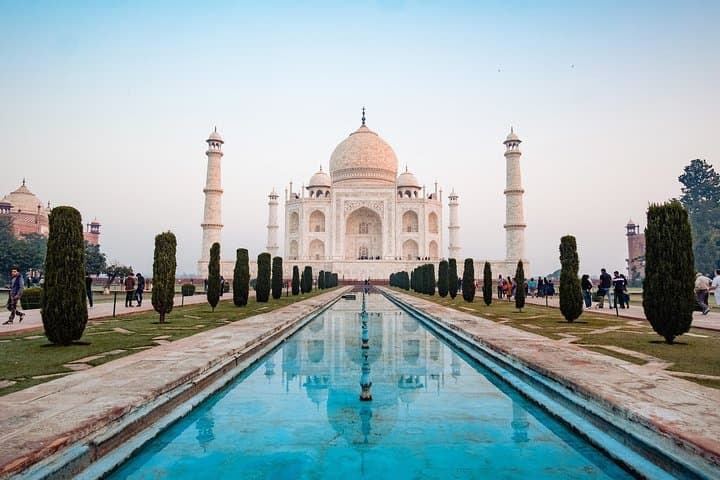
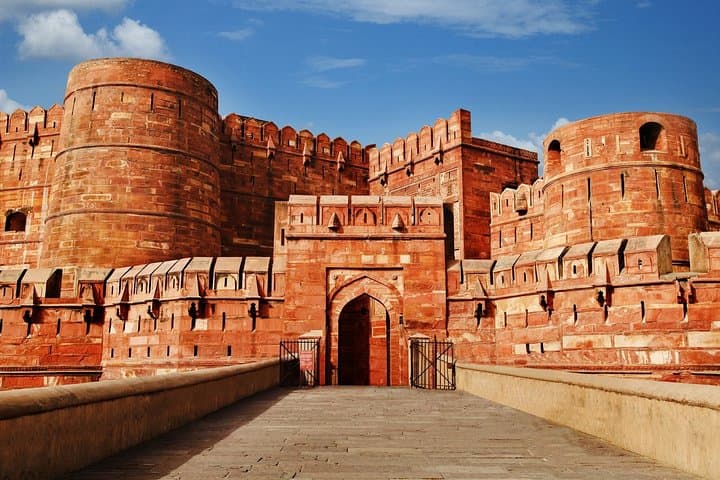
Geology and craft are visible in the details: Agra's Taj Mahal gleams with white Makrana marble, its surfaces cut and inlaid with semi-precious stones; Agra Fort's red sandstone walls sit against the Yamuna's low banks. Fatehpur Sikri, built from local sandstone, reads as a deliberate imperial experiment—short-lived, spectacular and wind-swept.
Cultural threads run Mughal and Rajput—courtyards for public audiences, private pavilions, and observatories like Jaipur's Jantar Mantar that blend science and ceremony. Local life presses in at Chandni Chowk and bazaars where spices, textiles and street food create a sensory counterpoint to formal monuments.
Practical guidance: plan Taj Mahal at sunrise for cooler temperatures and soft light, and schedule early departures to avoid traffic between cities. Expect long days in a climate that can be very hot in summer; comfortable walking shoes, sun protection and a reusable water bottle matter more than formal attire. Carry ID for monument entry, and set modest dress for mosques and temples. Guides speed queues and explain historical context; a private vehicle makes transfers efficient but factor in 3–4 hours of driving between stops. With clear planning this 3-day loop delivers concentrated access to India's layered history, architecture and markets without rushing the essentials.
easy.
3 days.
Suitable for travelers in average fitness; expect multiple short walks and some stairs at heritage sites
The Taj Mahal is closed on Fridays for general visitors; plan your visit on another day or confirm timing if your itinerary includes Friday.
Expect roughly 3–4 hours by car between Delhi and Agra and 4–5 hours between Agra and Jaipur depending on traffic and stops.
This private tour typically includes a professional guide and transfers; monument entrance fees may be included only if the selected option specifies admissions.
Many sites have uneven surfaces and steps, but the tour notes indicate wheelchair-accessible transportation and some accessible routes—confirm specific site access in advance.
The Golden Triangle links Mughal-era Agra and Fatehpur Sikri with Mughal and Rajput Jaipur, showing 16th–18th century imperial ambition in stone, marble and urban planning.
High visitor numbers stress historic sites and local water resources; use refillable bottles, follow marked paths and hire licensed guides to support regulated tourism.
Creative India Holidays operates guided outdoor trips and adventures with an emphasis on safety, stewardship, and memorable experiences.
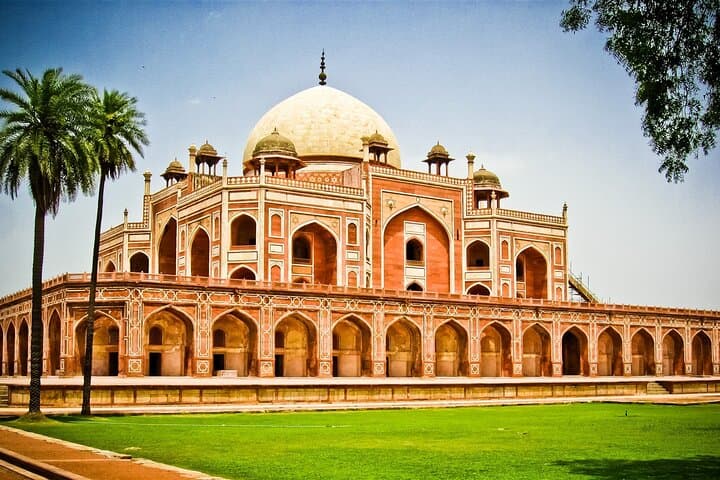
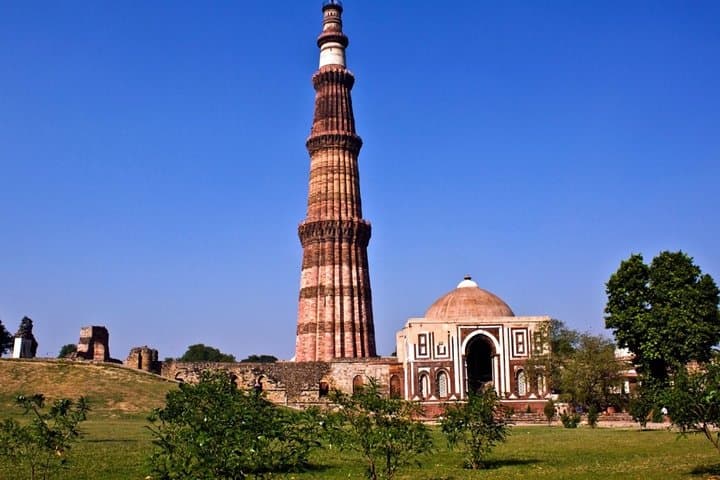
A city wakes before dawn in the capital—rickshaws hum, jasmine tea steams—and a private car threads past Lutyens' avenues toward Humayun's Tomb. The first day moves like a history lesson in stone: Mughal gardens, the soaring red-and-marble shaft of Qutub Minar and the hulking Rashtrapati Bhavan, each landmark a chapter in north India's imperial story.
A city wakes before dawn in the capital—rickshaws hum, jasmine tea steams—and a private car threads past Lutyens' avenues toward Humayun's Tomb. The first day moves like a history lesson in stone: Mughal gardens, the soaring red-and-marble shaft of Qutub Minar and the hulking Rashtrapati Bhavan, each landmark a chapter in north India's imperial story.
Geology and craft are visible in the details: Agra's Taj Mahal gleams with white Makrana marble, its surfaces cut and inlaid with semi-precious stones; Agra Fort's red sandstone walls sit against the Yamuna's low banks. Fatehpur Sikri, built from local sandstone, reads as a deliberate imperial experiment—short-lived, spectacular and wind-swept.
Cultural threads run Mughal and Rajput—courtyards for public audiences, private pavilions, and observatories like Jaipur's Jantar Mantar that blend science and ceremony. Local life presses in at Chandni Chowk and bazaars where spices, textiles and street food create a sensory counterpoint to formal monuments.
Practical guidance: plan Taj Mahal at sunrise for cooler temperatures and soft light, and schedule early departures to avoid traffic between cities. Expect long days in a climate that can be very hot in summer; comfortable walking shoes, sun protection and a reusable water bottle matter more than formal attire. Carry ID for monument entry, and set modest dress for mosques and temples. Guides speed queues and explain historical context; a private vehicle makes transfers efficient but factor in 3–4 hours of driving between stops. With clear planning this 3-day loop delivers concentrated access to India's layered history, architecture and markets without rushing the essentials.