THE ADVENTURE COLLECTIVE® · Independent discovery and booking for outdoor travel

A compact 10-day loop through North India’s most storied sites — Delhi, Jaipur, Agra, Pushkar and Varanasi — blends Mughal monuments, desert-city palaces and riverfront ritual. Expect early mornings, overnight trains, and a steady rhythm of temples, forts and market life.
A compact 10-day loop through North India’s most storied sites — Delhi, Jaipur, Agra, Pushkar and Varanasi — blends Mughal monuments, desert-city palaces and riverfront ritual. Expect early mornings, overnight trains, and a steady rhythm of temples, forts and market life.
You step out of an evening train onto Delhi’s humid platform and the city’s pulse pulls you forward — rickshaws, chai smoke and the promise of monuments at dawn. Over ten days the route tightens into a clear arc: the imperial white of the Taj, the rose-stone ramparts of Amber, the red spires of Pushkar, and the river-swept ghats of Varanasi where priests light lamps and the Ganges keeps time.
Verified experiences and guided adventures in the surrounding area.
Operated by Holiday Tours And Travels · New Delhi, Delhi
You step out of an evening train onto Delhi’s humid platform and the city’s pulse pulls you forward — rickshaws, chai smoke and the promise of monuments at dawn. Over ten days the route tightens into a clear arc: the imperial white of the Taj, the rose-stone ramparts of Amber, the red spires of Pushkar, and the river-swept ghats of Varanasi where priests light lamps and the Ganges keeps time.
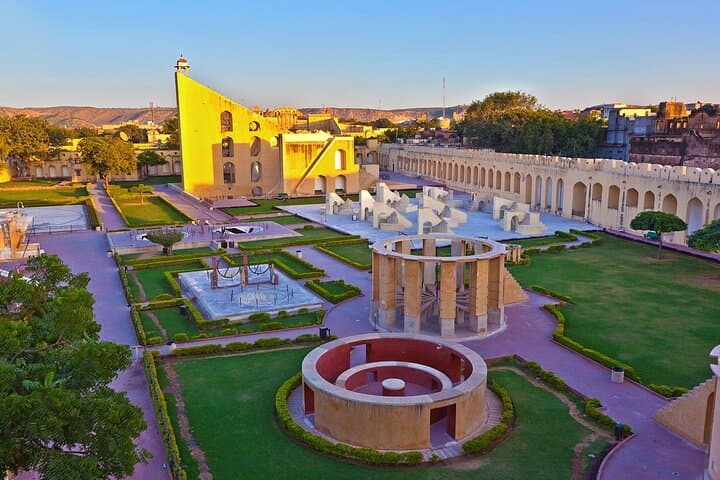
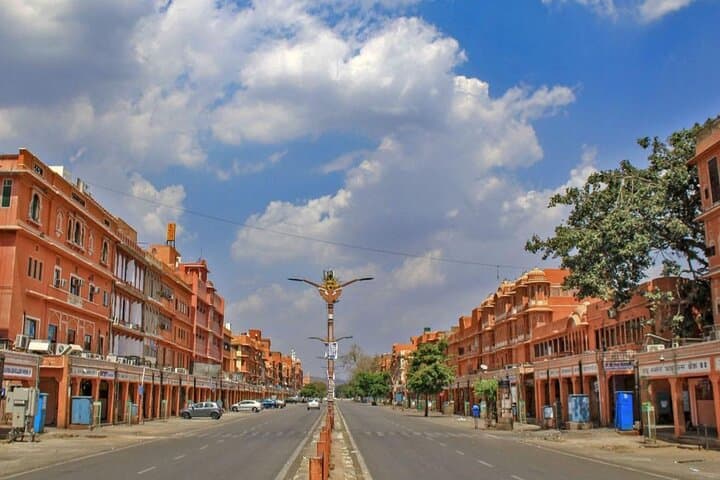
The Golden Triangle maps Mughal and Rajput narratives across plains carved by the Yamuna and Chambal. Agra’s Taj Mahal (17th century Mughal mausoleum) and Fatehpur Sikri (Akbar’s short-lived capital in red sandstone) tell of empire-building; Jaipur’s Pink City records a planned royal experiment dating to the 18th century; Pushkar’s Brahma Temple anchors pilgrimage traditions; Varanasi remains one of the subcontinent’s oldest living cities. Geology is quiet but present — alluvial plains that made these settlements fertile and accessible.
Practically, expect long drives between nodes, two overnight sleeper trains and early starts: sunrise boat rides on the Ganges and first-light views at the Taj give calmer light and fewer crowds. Carry photocopies of ID, wear breathable, modest clothing for temples, and choose shoes good for cobbled forts and dusty markets. Hydrate, pace your sightseeing (midday rests help), and budget time for slow-moving bazaars — they reveal local crafts and spices. This is a journey of layered history and sensory contrast: crowded streets, hushed mausoleums, and rivers that seem to keep their own calendar.
easy.
10 days.
Suitable for travelers in average fitness; expect walking on uneven surfaces, stairs at forts, and multi-hour vehicle transfers.
Overnight AC sleeper trains are part of the itinerary and provide basic sleeping berths; comfort varies so bring earplugs and a light sleep kit.
Most international travelers need an Indian visa and routine vaccinations; check embassy guidance and consult a travel clinic before departure.
Yes—this itinerary is rated easy physically, but plan for slower pacing if mobility is limited and confirm accommodation preferences in advance.
Vegetarian and many other dietary needs can be managed in hotels and restaurants, but notify the operator ahead so they can arrange suitable meals.
The Golden Triangle stitches Mughal imperial architecture and Rajput city-planning across the Indo-Gangetic plain; Fatehpur Sikri was abandoned in the 16th century largely due to water scarcity.
High visitor volumes at the Taj and Varanasi ghats have prompted heritage management and pollution-control initiatives; travelers can reduce impact by using refillable bottles and respecting restricted zones.
Holiday Tours And Travels operates guided outdoor trips and adventures with an emphasis on safety, stewardship, and memorable experiences.
You step out of an evening train onto Delhi’s humid platform and the city’s pulse pulls you forward — rickshaws, chai smoke and the promise of monuments at dawn. Over ten days the route tightens into a clear arc: the imperial white of the Taj, the rose-stone ramparts of Amber, the red spires of Pushkar, and the river-swept ghats of Varanasi where priests light lamps and the Ganges keeps time.
You step out of an evening train onto Delhi’s humid platform and the city’s pulse pulls you forward — rickshaws, chai smoke and the promise of monuments at dawn. Over ten days the route tightens into a clear arc: the imperial white of the Taj, the rose-stone ramparts of Amber, the red spires of Pushkar, and the river-swept ghats of Varanasi where priests light lamps and the Ganges keeps time.
The Golden Triangle maps Mughal and Rajput narratives across plains carved by the Yamuna and Chambal. Agra’s Taj Mahal (17th century Mughal mausoleum) and Fatehpur Sikri (Akbar’s short-lived capital in red sandstone) tell of empire-building; Jaipur’s Pink City records a planned royal experiment dating to the 18th century; Pushkar’s Brahma Temple anchors pilgrimage traditions; Varanasi remains one of the subcontinent’s oldest living cities. Geology is quiet but present — alluvial plains that made these settlements fertile and accessible.
Practically, expect long drives between nodes, two overnight sleeper trains and early starts: sunrise boat rides on the Ganges and first-light views at the Taj give calmer light and fewer crowds. Carry photocopies of ID, wear breathable, modest clothing for temples, and choose shoes good for cobbled forts and dusty markets. Hydrate, pace your sightseeing (midday rests help), and budget time for slow-moving bazaars — they reveal local crafts and spices. This is a journey of layered history and sensory contrast: crowded streets, hushed mausoleums, and rivers that seem to keep their own calendar.