THE ADVENTURE COLLECTIVE® · Independent discovery and booking for outdoor travel

A focused, private three-hour visit to the Giza Plateau led by a professional Egyptologist. Expect guided history, photo stops with camels, and hotel pickup in a private A/C car.
A focused, private three-hour visit to the Giza Plateau led by a professional Egyptologist. Expect guided history, photo stops with camels, and hotel pickup in a private A/C car.
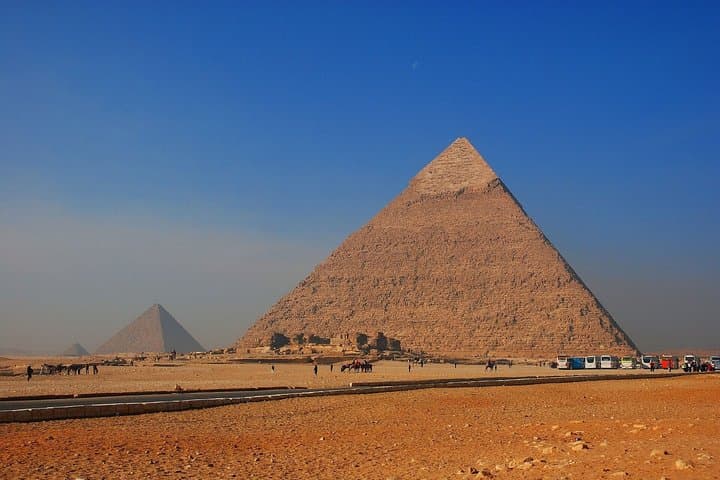
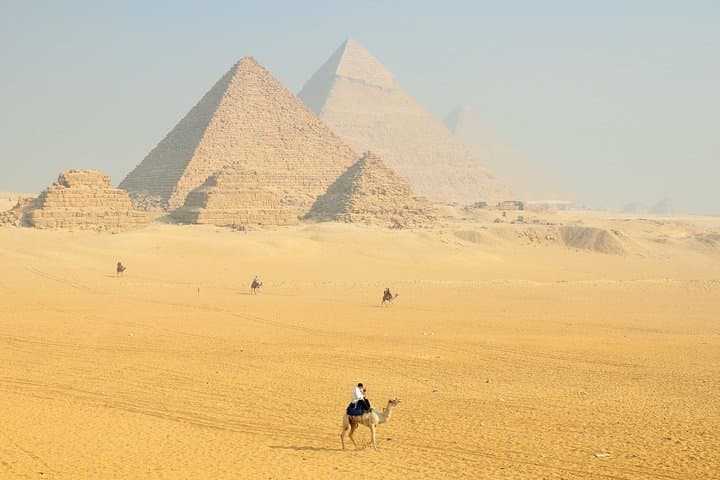
You step out of the cool shade of the A/C car and the desert leans forward, wind nudging warm sand around the base of monuments older than recorded history. In three hours a private Egyptologist guide leads the pace: a walk to the Giza Plateau, a brief camel encounter for photos, and a survey of the Great Pyramid’s angles where limestone faces still catch the sun.
Verified experiences and guided adventures in the surrounding area.
Operated by ToBadaa · Giza, Cairo Governorate
You step out of the cool shade of the A/C car and the desert leans forward, wind nudging warm sand around the base of monuments older than recorded history. In three hours a private Egyptologist guide leads the pace: a walk to the Giza Plateau, a brief camel encounter for photos, and a survey of the Great Pyramid’s angles where limestone faces still catch the sun.
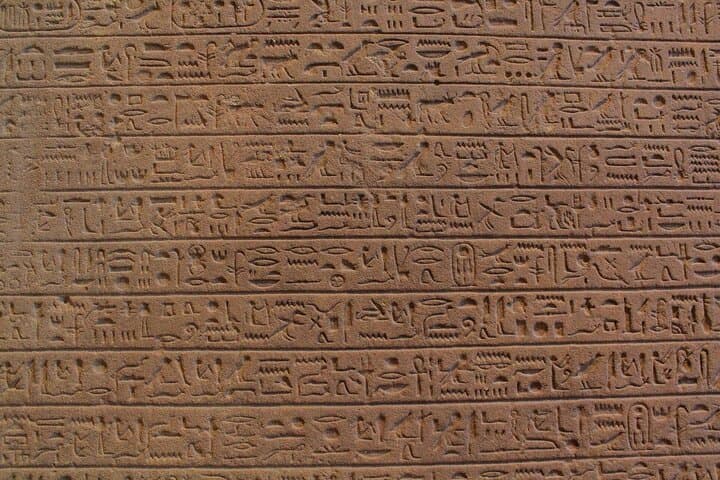
The Pyramids of Giza are the lone surviving structure of the ancient Seven Wonders, built of quarried limestone and dressed stone on a bedrock plateau above the Nile floodplain. Nearby, the Sphinx watches with a weathered gaze shaped by millennia of sand and wind. Cairo’s long urban history shades the site — Mamluk-era inscriptions, Ottoman travelers’ accounts and modern conservation efforts are all part of what a guide will weave into a short visit.
Practicalities matter here: the tour is private, roughly three hours, and typically includes hotel pickup and drop-off in a private A/C car. Mid-morning visits dodge the overnight chill and the worst of high summer heat; camel stops are usually staged for quick photography rather than long treks.
Pack a wide-brim hat, sturdy shoes for uneven paths, and water. Respect signage: entry into some chambers may be restricted and climbing on monuments is prohibited. Aim for early or late morning light for the best photos and avoid midday when crowds and sun are highest. With a knowledgeable Egyptologist at your side and a short, focused itinerary, this is a compact, accessible slice of ancient Egypt that balances iconic views with practical touring.
easy.
3 hours.
Suitable for most fitness levels; requires short walks on uneven ground and standing for photo stops
Yes — the tour typically includes private A/C pickup and drop-off from your hotel or a specified meeting point.
Access to internal chambers varies and often requires a separate ticket; entry may be limited for conservation or crowd control.
Camel stops are usually short and staged for photographs; rides are brief and suitable for most visitors but not recommended for those with severe back issues.
Many elements are wheelchair accessible and transport options are available, but some uneven surfaces on the plateau can limit mobility; check with the operator for specific arrangements.
The Giza complex dates to Egypt’s Fourth Dynasty (c. 2600–2500 BCE); the Great Pyramid was originally encased in white Tura limestone creating a brilliant exterior.
Conservation efforts focus on controlling visitor impact, stabilizing masonry and reducing salt damage from groundwater and urban pollution; follow all guidelines to protect the site.
ToBadaa operates guided outdoor trips and adventures with an emphasis on safety, stewardship, and memorable experiences.
You step out of the cool shade of the A/C car and the desert leans forward, wind nudging warm sand around the base of monuments older than recorded history. In three hours a private Egyptologist guide leads the pace: a walk to the Giza Plateau, a brief camel encounter for photos, and a survey of the Great Pyramid’s angles where limestone faces still catch the sun.
You step out of the cool shade of the A/C car and the desert leans forward, wind nudging warm sand around the base of monuments older than recorded history. In three hours a private Egyptologist guide leads the pace: a walk to the Giza Plateau, a brief camel encounter for photos, and a survey of the Great Pyramid’s angles where limestone faces still catch the sun.
The Pyramids of Giza are the lone surviving structure of the ancient Seven Wonders, built of quarried limestone and dressed stone on a bedrock plateau above the Nile floodplain. Nearby, the Sphinx watches with a weathered gaze shaped by millennia of sand and wind. Cairo’s long urban history shades the site — Mamluk-era inscriptions, Ottoman travelers’ accounts and modern conservation efforts are all part of what a guide will weave into a short visit.
Practicalities matter here: the tour is private, roughly three hours, and typically includes hotel pickup and drop-off in a private A/C car. Mid-morning visits dodge the overnight chill and the worst of high summer heat; camel stops are usually staged for quick photography rather than long treks.
Pack a wide-brim hat, sturdy shoes for uneven paths, and water. Respect signage: entry into some chambers may be restricted and climbing on monuments is prohibited. Aim for early or late morning light for the best photos and avoid midday when crowds and sun are highest. With a knowledgeable Egyptologist at your side and a short, focused itinerary, this is a compact, accessible slice of ancient Egypt that balances iconic views with practical touring.