THE ADVENTURE COLLECTIVE® · Independent discovery and booking for outdoor travel

Walk Granada’s Albayzín and Sacromonte as the sun turns the Alhambra red. This two-hour sunset tour mixes narrow, historic streets with marquee viewpoints and local stories about the city’s Islamic, Catholic and Romani past.
Walk Granada’s Albayzín and Sacromonte as the sun turns the Alhambra red. This two-hour sunset tour mixes narrow, historic streets with marquee viewpoints and local stories about the city’s Islamic, Catholic and Romani past.
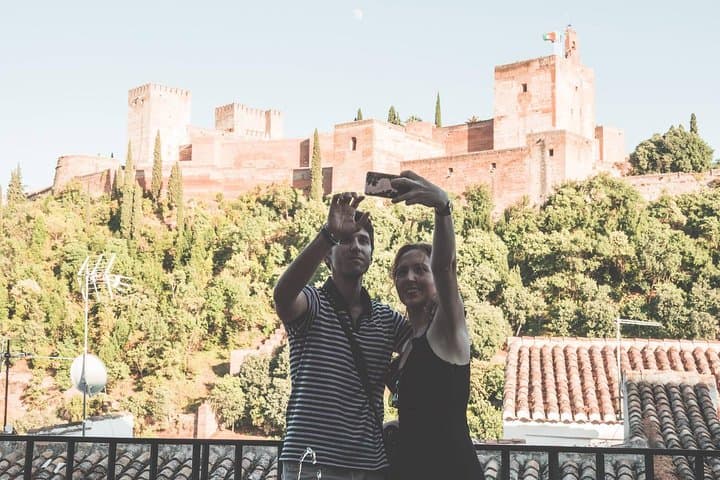
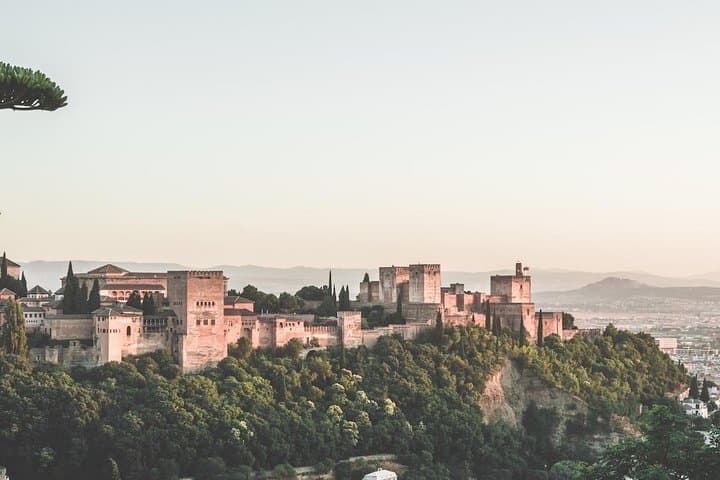
The light thins and the Alhambra burns a slow, deep red as the group slips from Plaza Nueva into the labyrinth of the Albayzín. Cobbled alleys narrow to stairways; orange trees scent the air and voices echo off whitewashed walls. For two hours the city rearranges itself around the setting sun: viewpoints open, façades warm, and the Sacromonte caves silhouette against the Sierra Nevada.
Verified experiences and guided adventures in the surrounding area.
Operated by Play Granada · Granada, Andalusia
The light thins and the Alhambra burns a slow, deep red as the group slips from Plaza Nueva into the labyrinth of the Albayzín. Cobbled alleys narrow to stairways; orange trees scent the air and voices echo off whitewashed walls. For two hours the city rearranges itself around the setting sun: viewpoints open, façades warm, and the Sacromonte caves silhouette against the Sierra Nevada.
This route threads three layers of Granada’s story—Islamic architecture of the Nasrid era, the later Catholic reconquest, and the historical presence of Jewish and Romani communities—each visible in street layouts, small mosques repurposed as churches, and the gypsy quarter’s cliffside dwellings. Geologically, the city sits where the Darro and Genil rivers carve foothills from the Sierra Nevada, producing steep streets and stone terraces that deliver those dramatic vantage points.
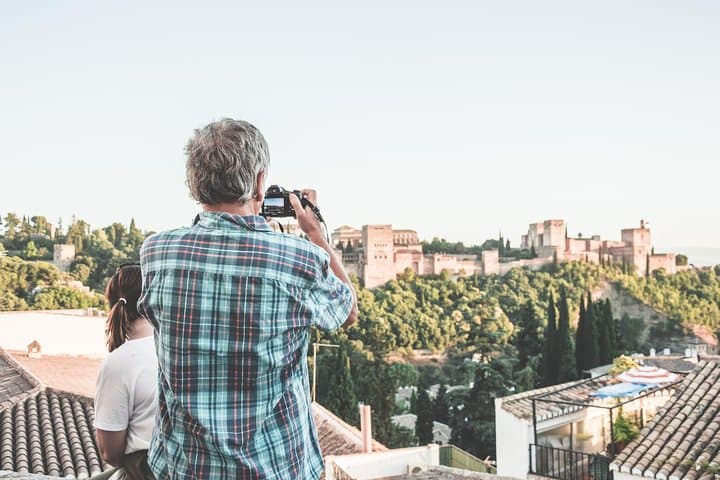
Expect narrow, uneven cobbles and short, steep stair climbs; the pace is steady but includes stops at Mirador de los Carvajales and Sacromonte viewpoints for Alhambra photos. Guides provide historical context and practical route choices to avoid noisy streets during prime light.
Practical notes: arrive 5–10 minutes early at Play Granada’s office by Santa Ana Church, wear sturdy shoes, and bring a light layer—temperatures can drop quickly after sunset. Public transit and limited taxi access reach Plaza Nueva, but private vehicles are restricted. For photographers, the golden hour is brief—plan to move between viewpoints efficiently to capture the best compositions.
Meet at the Play Granada office next to Santa Ana Church at the end of Plaza Nueva; it’s a five-minute walk from Granada Cathedral and main bus stops.
Infants and small children in prams are accommodated, but expect narrow stairs and uneven surfaces where carrying may be necessary.
This walking tour provides external viewpoints of the Alhambra but does not include admission inside the palace complex; book Alhambra tickets separately if you plan to enter.
Guides run tours in English and Spanish regularly; other languages may be available on request and should be confirmed at booking.
Play Granada operates guided outdoor trips and adventures with an emphasis on safety, stewardship, and memorable experiences.

The light thins and the Alhambra burns a slow, deep red as the group slips from Plaza Nueva into the labyrinth of the Albayzín. Cobbled alleys narrow to stairways; orange trees scent the air and voices echo off whitewashed walls. For two hours the city rearranges itself around the setting sun: viewpoints open, façades warm, and the Sacromonte caves silhouette against the Sierra Nevada.
The light thins and the Alhambra burns a slow, deep red as the group slips from Plaza Nueva into the labyrinth of the Albayzín. Cobbled alleys narrow to stairways; orange trees scent the air and voices echo off whitewashed walls. For two hours the city rearranges itself around the setting sun: viewpoints open, façades warm, and the Sacromonte caves silhouette against the Sierra Nevada.
This route threads three layers of Granada’s story—Islamic architecture of the Nasrid era, the later Catholic reconquest, and the historical presence of Jewish and Romani communities—each visible in street layouts, small mosques repurposed as churches, and the gypsy quarter’s cliffside dwellings. Geologically, the city sits where the Darro and Genil rivers carve foothills from the Sierra Nevada, producing steep streets and stone terraces that deliver those dramatic vantage points.
Expect narrow, uneven cobbles and short, steep stair climbs; the pace is steady but includes stops at Mirador de los Carvajales and Sacromonte viewpoints for Alhambra photos. Guides provide historical context and practical route choices to avoid noisy streets during prime light.
Practical notes: arrive 5–10 minutes early at Play Granada’s office by Santa Ana Church, wear sturdy shoes, and bring a light layer—temperatures can drop quickly after sunset. Public transit and limited taxi access reach Plaza Nueva, but private vehicles are restricted. For photographers, the golden hour is brief—plan to move between viewpoints efficiently to capture the best compositions.