THE ADVENTURE COLLECTIVE® · Independent discovery and booking for outdoor travel

Witness Kazakh eagle hunters, horseback competitions, and Altai glaciers at the Golden Eagle Festival in Bayan-Ölgii. This seven-day cultural and land-adventure blends dramatic wildlife displays with nomadic hospitality and high-country scenery.
Witness Kazakh eagle hunters, horseback competitions, and Altai glaciers at the Golden Eagle Festival in Bayan-Ölgii. This seven-day cultural and land-adventure blends dramatic wildlife displays with nomadic hospitality and high-country scenery.
A cold wind lifts off the steppe as a line of riders appears on the horizon, eagles perched like living crowns on heavy leather gauntlets. At the Golden Eagle Festival in Bayan-Ölgii, Kazakh hunters turn the wide Altai plain into an arena—eagles launch, horses thunder, and the air fills with a mix of dust, yak-skin tents, and frying oil from tea houses.
Verified experiences and guided adventures in the surrounding area.
Operated by Maral Expedition · Ulgii, Bayan-Ölgii Province
A cold wind lifts off the steppe as a line of riders appears on the horizon, eagles perched like living crowns on heavy leather gauntlets. At the Golden Eagle Festival in Bayan-Ölgii, Kazakh hunters turn the wide Altai plain into an arena—eagles launch, horses thunder, and the air fills with a mix of dust, yak-skin tents, and frying oil from tea houses.
The festival, held each autumn (late September–early October), preserves a tradition centuries old: trained golden eagles used for hunting in a landscape carved by glacial valleys and jagged peaks. The nearby Altai Tavan Bogd massif and Potanin Glacier are reminders of the region’s Pleistocene shaping—rock faces, moraines, and alpine lakes that feed the Khovd watershed.
Beyond competitions—eagle calls, fox-skin chases, kokpar and horseback races—you’ll meet families who still live seasonally in gers, taste beshbarmak and airag, and browse handicrafts worked from felt and silver. The trip reaches into Altai Tavan Bogd National Park, with drives over rough dirt roads and short hikes to viewpoints of Potanin Glacier and Khoton & Khurgan lakes.
Practical notes: expect high-altitude sun and cold winds, long bumpy transfers, and simple accommodations (gers and basic hotels). Bring layered clothing, a sturdy daypack, local currency, and patience—weather can change plans. Respect hunting demonstrations and ask before photographing people or animals. For travelers seeking active cultural immersion—wildlife sightings, raw landscapes, and horse-centered sport—this festival is an efficient, vivid way to enter Kazakh-Mongolian life while using Ulgii as your logistical base.
moderate.
7 days.
Moderate fitness: comfortable with full-day travel, short high-altitude walks, and mounting/standing during demonstrations.
The festival typically takes place in early autumn, often late September to early October; exact dates vary annually so confirm with organizers before booking.
Events are centered near Ölgii and nearby steppe fields; altai excursions to Potanin Glacier and lakes involve long dirt-road drives and basic ger accommodations.
Visitors to Mongolia may need a visa depending on nationality; domestic travel and park entry usually don’t require extra permits but check park rules for Altai Tavan Bogd if you plan independent hiking.
Expect to see trained golden eagles and domestic livestock; in the broader Altai region you may spot argali (wild sheep) and various steppe birds, though large predators are elusive.
Eagle hunting is a Kazakh cultural practice with roots over a thousand years old; the festival itself was revived as a public event to celebrate and preserve that living skill.
Altai Tavan Bogd lies within protected land; visitors should stick to established routes, avoid disturbing wildlife, and minimize campfire and waste impacts to support fragile alpine ecosystems.
Maral Expedition operates guided outdoor trips and adventures with an emphasis on safety, stewardship, and memorable experiences.
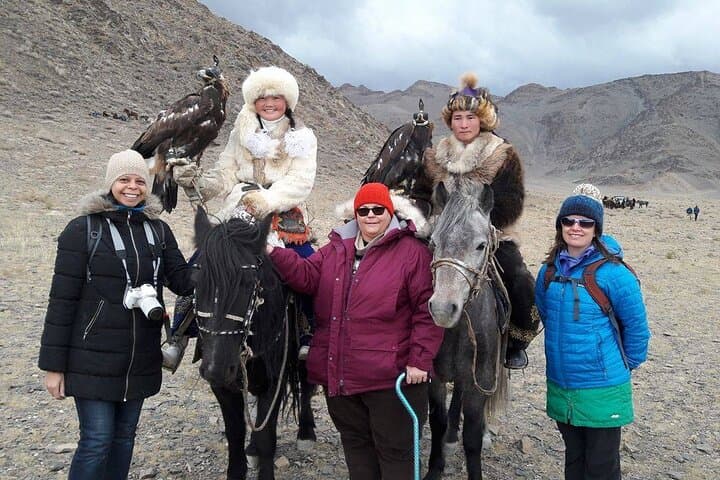
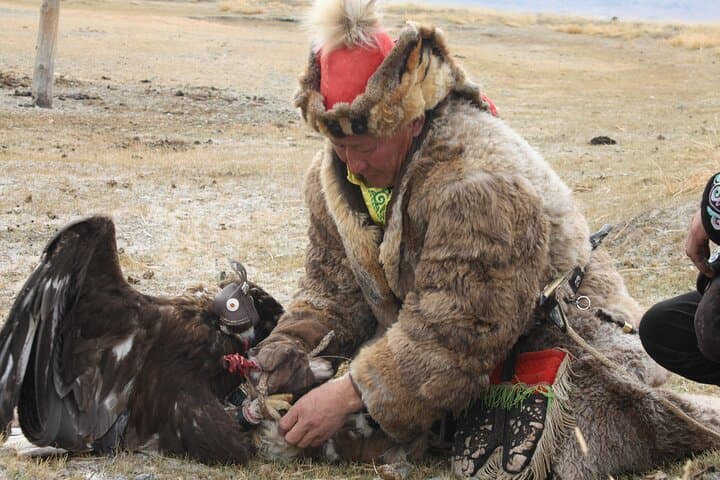
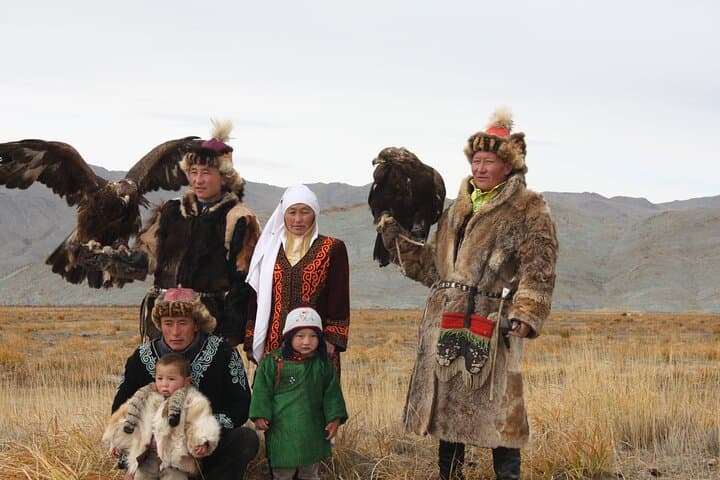
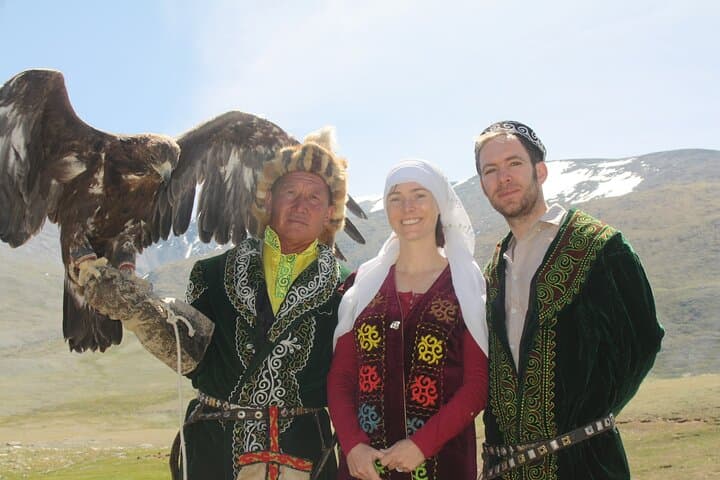
A cold wind lifts off the steppe as a line of riders appears on the horizon, eagles perched like living crowns on heavy leather gauntlets. At the Golden Eagle Festival in Bayan-Ölgii, Kazakh hunters turn the wide Altai plain into an arena—eagles launch, horses thunder, and the air fills with a mix of dust, yak-skin tents, and frying oil from tea houses.
A cold wind lifts off the steppe as a line of riders appears on the horizon, eagles perched like living crowns on heavy leather gauntlets. At the Golden Eagle Festival in Bayan-Ölgii, Kazakh hunters turn the wide Altai plain into an arena—eagles launch, horses thunder, and the air fills with a mix of dust, yak-skin tents, and frying oil from tea houses.
The festival, held each autumn (late September–early October), preserves a tradition centuries old: trained golden eagles used for hunting in a landscape carved by glacial valleys and jagged peaks. The nearby Altai Tavan Bogd massif and Potanin Glacier are reminders of the region’s Pleistocene shaping—rock faces, moraines, and alpine lakes that feed the Khovd watershed.
Beyond competitions—eagle calls, fox-skin chases, kokpar and horseback races—you’ll meet families who still live seasonally in gers, taste beshbarmak and airag, and browse handicrafts worked from felt and silver. The trip reaches into Altai Tavan Bogd National Park, with drives over rough dirt roads and short hikes to viewpoints of Potanin Glacier and Khoton & Khurgan lakes.
Practical notes: expect high-altitude sun and cold winds, long bumpy transfers, and simple accommodations (gers and basic hotels). Bring layered clothing, a sturdy daypack, local currency, and patience—weather can change plans. Respect hunting demonstrations and ask before photographing people or animals. For travelers seeking active cultural immersion—wildlife sightings, raw landscapes, and horse-centered sport—this festival is an efficient, vivid way to enter Kazakh-Mongolian life while using Ulgii as your logistical base.