THE ADVENTURE COLLECTIVE® · Independent discovery and booking for outdoor travel

Spend a private day across Champagne’s Grand Cru and Premier Cru villages from Reims — cellar visits, six expert tastings, a convivial lunch and panoramic vineyard viewpoints. Learn terroir, technique and tasting etiquette from a local guide.
Spend a private day across Champagne’s Grand Cru and Premier Cru villages from Reims — cellar visits, six expert tastings, a convivial lunch and panoramic vineyard viewpoints. Learn terroir, technique and tasting etiquette from a local guide.
Morning light skims the chalky slopes as your private vehicle slips out of Reims and into a landscape that has been working the soil for centuries. Vine rows stand in tidy ranks; wind teases the leaves and the Marne River below dares you to look down the valley. By midday you’re on a hill above Hautvillers, where the Church of Dom Pérignon anchors a village that still smells faintly of oak and ferment.
Verified experiences and guided adventures in the surrounding area.
Operated by Aÿ-Champagne Experience · Reims, Grand Est
Morning light skims the chalky slopes as your private vehicle slips out of Reims and into a landscape that has been working the soil for centuries. Vine rows stand in tidy ranks; wind teases the leaves and the Marne River below dares you to look down the valley. By midday you’re on a hill above Hautvillers, where the Church of Dom Pérignon anchors a village that still smells faintly of oak and ferment.
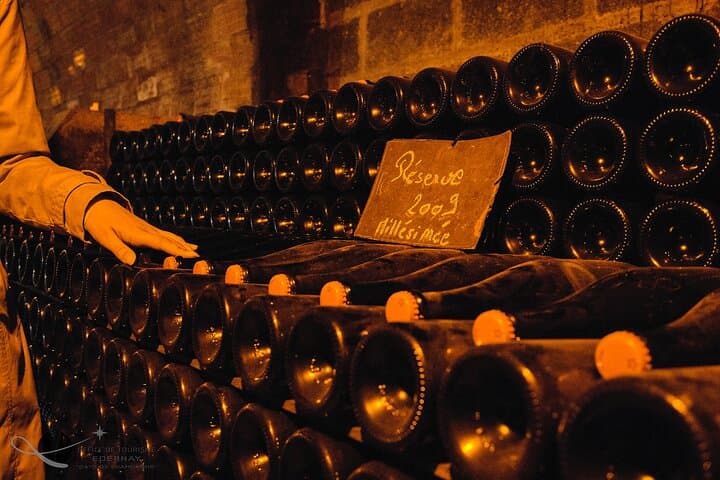
Champagne here is geology and history speaking at once: deep chalk soils that drain cold water and store heat, Pinot Noir planted on Marne Valley hillsides, Chardonnay ruling the Côte des Blancs. The Avenue de Champagne in Épernay reads like a ledger of status — mansions hiding 100 kilometers of cellars and bottles stacked in silence.
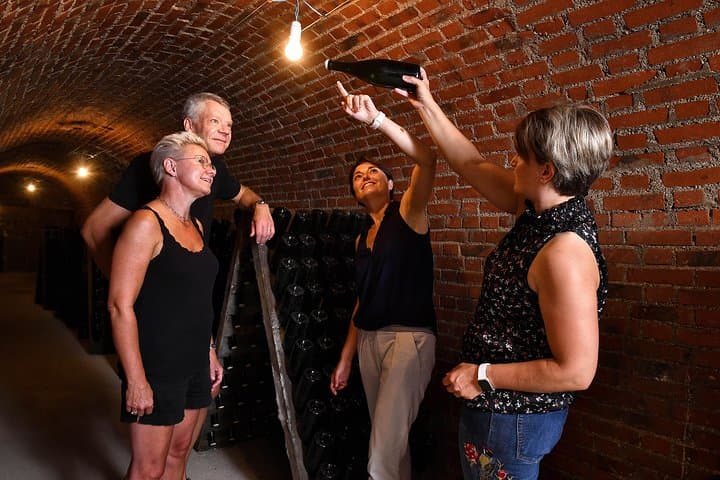
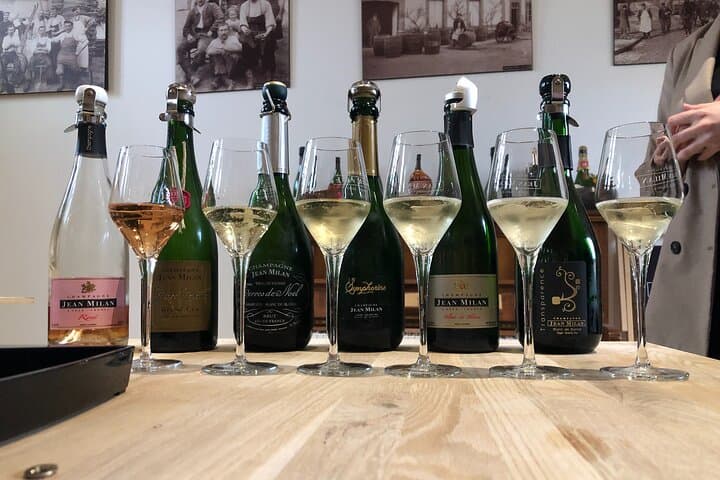
The day unspools as cellar visits with independent growers, guided tastings (six Grand Cru/Premier Cru samples), and a convivial lunch with a shared bottle. Expect explained stops at Aÿ and Oger, conversations about dosage, lees aging, and sustainable viticulture, and a chance to taste allied spirits such as ratafia and marc de Champagne.
Practical edge: this is a long, mostly seated day with several short cellar walks and uneven cellar floors; comfortable shoes and a light layer are essential. Hydrate between tastings, pace your pours, and tell your guide dietary needs in advance — lunch locations vary. By evening you return to Reims with a clearer picture of terroir, technique, and the quiet industry that makes Champagne more than a label.
easy.
7–8 hours.
Suitable for most fitness levels; you should be comfortable sitting for several hours and doing short walks and stairs in cellars.
The tour picks up within a 6 km radius of Reims and returns to the same general area at the end of the day; confirm your exact pickup point during booking.
Tastings of six Champagnes Grand Cru/Premier Cru are included, plus additional samples of ratafia, fine de la Marne and marc de Champagne.
The itinerary is physically easy and suitable for non-drinkers; organizers recommend informing them in advance so lunch and tastings can be adjusted.
Yes—state allergies or preferences when booking so the guide can arrange appropriate lunch options at selected local venues.
Aÿ and Hautvillers were central to Champagne’s development; Dom Pérignon worked and is buried in Hautvillers, and Aÿ was a royal press center in the 16th century.
Many growers here practice sustainable or organic viticulture to preserve chalk soils and biodiversity; visitors are encouraged to follow low-impact behavior and avoid trampling vines.
Aÿ-Champagne Experience operates guided outdoor trips and adventures with an emphasis on safety, stewardship, and memorable experiences.
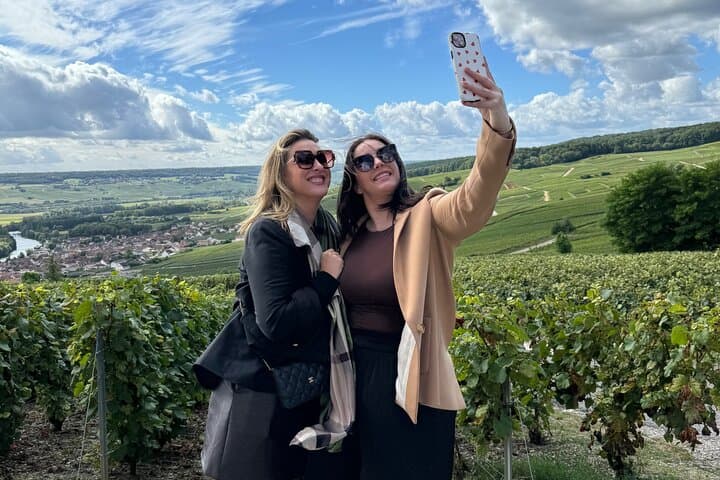
Morning light skims the chalky slopes as your private vehicle slips out of Reims and into a landscape that has been working the soil for centuries. Vine rows stand in tidy ranks; wind teases the leaves and the Marne River below dares you to look down the valley. By midday you’re on a hill above Hautvillers, where the Church of Dom Pérignon anchors a village that still smells faintly of oak and ferment.
Morning light skims the chalky slopes as your private vehicle slips out of Reims and into a landscape that has been working the soil for centuries. Vine rows stand in tidy ranks; wind teases the leaves and the Marne River below dares you to look down the valley. By midday you’re on a hill above Hautvillers, where the Church of Dom Pérignon anchors a village that still smells faintly of oak and ferment.
Champagne here is geology and history speaking at once: deep chalk soils that drain cold water and store heat, Pinot Noir planted on Marne Valley hillsides, Chardonnay ruling the Côte des Blancs. The Avenue de Champagne in Épernay reads like a ledger of status — mansions hiding 100 kilometers of cellars and bottles stacked in silence.
The day unspools as cellar visits with independent growers, guided tastings (six Grand Cru/Premier Cru samples), and a convivial lunch with a shared bottle. Expect explained stops at Aÿ and Oger, conversations about dosage, lees aging, and sustainable viticulture, and a chance to taste allied spirits such as ratafia and marc de Champagne.
Practical edge: this is a long, mostly seated day with several short cellar walks and uneven cellar floors; comfortable shoes and a light layer are essential. Hydrate between tastings, pace your pours, and tell your guide dietary needs in advance — lunch locations vary. By evening you return to Reims with a clearer picture of terroir, technique, and the quiet industry that makes Champagne more than a label.