THE ADVENTURE COLLECTIVE® · Independent discovery and booking for outdoor travel

A demanding 14–15 day high‑altitude circuit from Lukla that links Gokyo Ri, Cho‑La Pass, Everest Base Camp and Kala Patthar. Expect long days, thin air and jaw‑dropping Himalayan panoramas with Sherpa villages and turquoise glacial lakes along the way.
A demanding 14–15 day high‑altitude circuit from Lukla that links Gokyo Ri, Cho‑La Pass, Everest Base Camp and Kala Patthar. Expect long days, thin air and jaw‑dropping Himalayan panoramas with Sherpa villages and turquoise glacial lakes along the way.
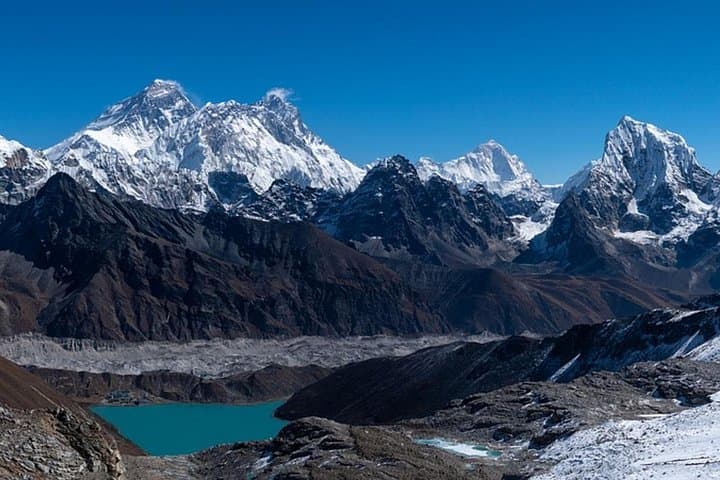
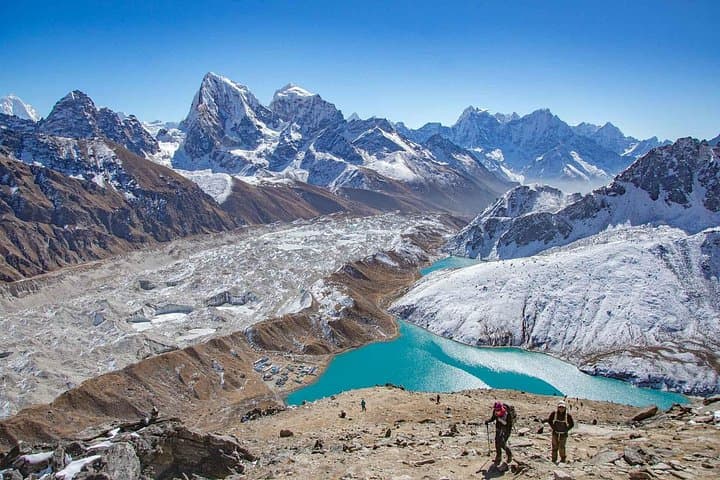
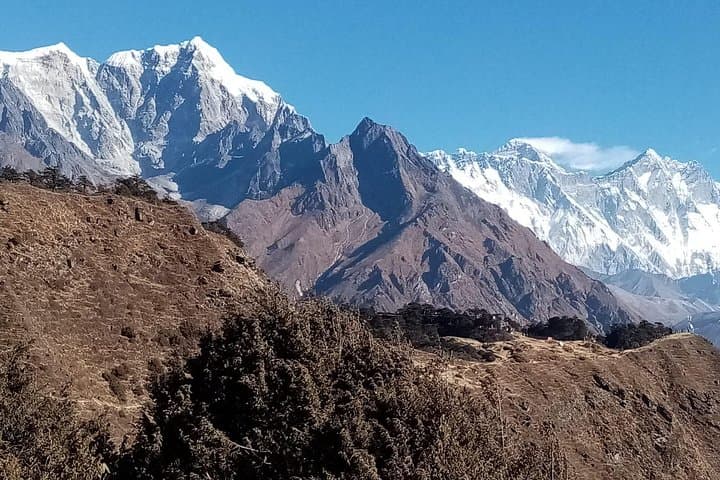
The first step out of Lukla’s crisp morning air is a promise: prayer flags snap, yak bells clink, and the Kala Patthar line of ridges shimmers like a distant spine. Over 14–15 days you walk from alpine forests into the brittle high country—through suspension bridges, moraine fields and turquoise Gokyo lakes—each day trading lower trees for thinner air and larger summits.
Verified experiences and guided adventures in the surrounding area.
Operated by CAN Travels · Lukla, Province No. 1
The first step out of Lukla’s crisp morning air is a promise: prayer flags snap, yak bells clink, and the Kala Patthar line of ridges shimmers like a distant spine. Over 14–15 days you walk from alpine forests into the brittle high country—through suspension bridges, moraine fields and turquoise Gokyo lakes—each day trading lower trees for thinner air and larger summits.
This route threads Khumbu’s Sherpa villages and sacred monasteries, where mountaineering history lives in photos and prayer wheels. Geology here is raw: the Ngozumpa Glacier carves moraines that shape lake basins while uplifted metamorphic rock frames Everest, Lhotse and Cho Oyu. Culture is practical and spiritual—tea houses run by families whose livelihoods align with the climbing seasons and conservation rules of Sagarmatha National Park.
Expect daily walks of 4–7 hours, steady altitude gains, and key high points: Gokyo Ri (~5,360m), Cho-La Pass (~5,368m) and Kala Patthar (approx. 5,644m) for the classic Everest panorama. Overnight stays are in guesthouses with basic facilities; food is hearty but caloric planning matters at altitude. Acclimatize on rest days (Namche is the usual stop) and move deliberately over icy moraine on the Gokyo-to-Thangnak stretch. Hydration, layered clothing, good boots and a conservative ascent profile are essential. Weather turns fast—start early, carry spare insulation and a headlamp for pre-dawn summit pushes. For trekkers who want Himalayan exposure without technical climbing, this itinerary delivers big views, Sherpa hospitality and a demanding but achievable high-altitude loop.
challenging.
14–15 days.
Good cardiovascular fitness with experience in multi‑day hikes; able to walk 4–7 hours daily with a light pack while coping with high altitude.
Prior multi‑day trekking experience is strongly recommended; while no technical climbing is required, familiarity with altitude effects and conservative pacing is essential.
Trekking in the Khumbu requires Sagarmatha National Park entry and TIMS permits; your operator typically handles paperwork and fees.
Night temperatures can drop well below freezing above 4,000m—bring appropriate insulation and a rated sleeping bag for subzero conditions.
Some lodges offer paid charging and sporadic Wi‑Fi in larger villages (Namche, Gorak Shep); bring extra batteries or a power bank for remote sections.
The Khumbu is Sherpa country—mountaineering blossomed here after Edmund Hillary and Tenzing Norgay’s 1953 ascent, and villages like Namche grew as logistical hubs for expeditions.
Sagarmatha National Park rules regulate waste and require permits; trekkers should pack out non‑biodegradable trash and minimize wood fuel use to protect fragile alpine ecosystems.
CAN Travels operates guided outdoor trips and adventures with an emphasis on safety, stewardship, and memorable experiences.
The first step out of Lukla’s crisp morning air is a promise: prayer flags snap, yak bells clink, and the Kala Patthar line of ridges shimmers like a distant spine. Over 14–15 days you walk from alpine forests into the brittle high country—through suspension bridges, moraine fields and turquoise Gokyo lakes—each day trading lower trees for thinner air and larger summits.
The first step out of Lukla’s crisp morning air is a promise: prayer flags snap, yak bells clink, and the Kala Patthar line of ridges shimmers like a distant spine. Over 14–15 days you walk from alpine forests into the brittle high country—through suspension bridges, moraine fields and turquoise Gokyo lakes—each day trading lower trees for thinner air and larger summits.
This route threads Khumbu’s Sherpa villages and sacred monasteries, where mountaineering history lives in photos and prayer wheels. Geology here is raw: the Ngozumpa Glacier carves moraines that shape lake basins while uplifted metamorphic rock frames Everest, Lhotse and Cho Oyu. Culture is practical and spiritual—tea houses run by families whose livelihoods align with the climbing seasons and conservation rules of Sagarmatha National Park.
Expect daily walks of 4–7 hours, steady altitude gains, and key high points: Gokyo Ri (~5,360m), Cho-La Pass (~5,368m) and Kala Patthar (approx. 5,644m) for the classic Everest panorama. Overnight stays are in guesthouses with basic facilities; food is hearty but caloric planning matters at altitude. Acclimatize on rest days (Namche is the usual stop) and move deliberately over icy moraine on the Gokyo-to-Thangnak stretch. Hydration, layered clothing, good boots and a conservative ascent profile are essential. Weather turns fast—start early, carry spare insulation and a headlamp for pre-dawn summit pushes. For trekkers who want Himalayan exposure without technical climbing, this itinerary delivers big views, Sherpa hospitality and a demanding but achievable high-altitude loop.