THE ADVENTURE COLLECTIVE® · Independent discovery and booking for outdoor travel

Board a Lukla flight, follow moraine trails to turquoise lakes and climb Gokyo Ri for a sunrise panorama of Everest. This 10–11 day tea-house trek blends high-altitude challenge with intimate Sherpa culture.
Board a Lukla flight, follow moraine trails to turquoise lakes and climb Gokyo Ri for a sunrise panorama of Everest. This 10–11 day tea-house trek blends high-altitude challenge with intimate Sherpa culture.
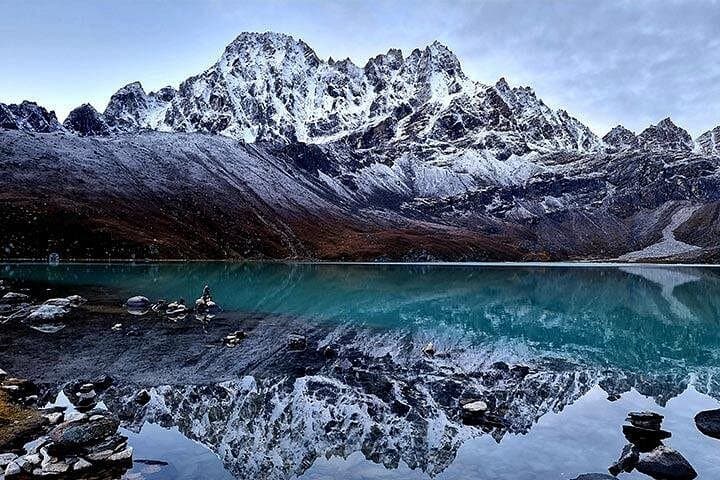
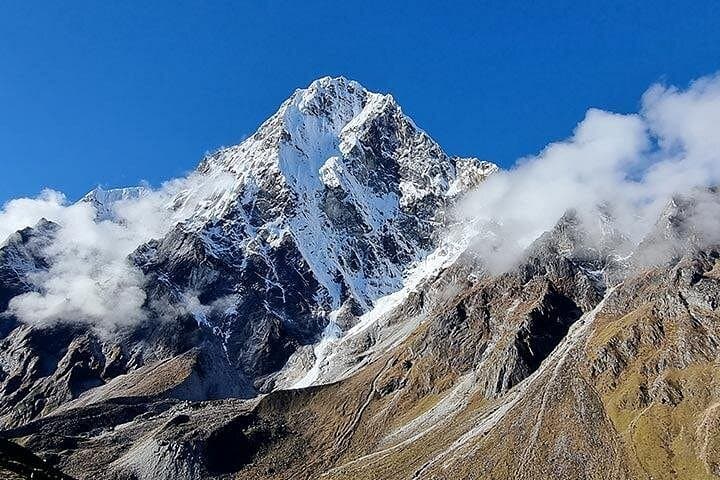
The first light hits the Himalaya as the little plane banks toward Lukla, and the air tastes like metal and sky. From Lukla the trail climbs through rhododendron forest, past mani walls and yak caravans, until the landscape opens to turquoise basins ringed by ice. Gokyo’s lakes sit on a moraine shoulder above the Ngozumpa Glacier, and a pre-dawn scramble up Gokyo Ri (5,357 m) delivers a horizon filled with Everest, Cho Oyu and Makalu—raw, immediate, uncompromising.
Verified experiences and guided adventures in the surrounding area.
Operated by Prime Himalayas · Gokyo, Solukhumbu
The first light hits the Himalaya as the little plane banks toward Lukla, and the air tastes like metal and sky. From Lukla the trail climbs through rhododendron forest, past mani walls and yak caravans, until the landscape opens to turquoise basins ringed by ice. Gokyo’s lakes sit on a moraine shoulder above the Ngozumpa Glacier, and a pre-dawn scramble up Gokyo Ri (5,357 m) delivers a horizon filled with Everest, Cho Oyu and Makalu—raw, immediate, uncompromising.
The valley carries Sherpa history: seasonal trade routes, isolated monasteries and prayer flags that mark centuries of Himalayan devotion. Geologically the scene is recent—glacial sculpting and moraine dams created the lakes only in the last several thousand years; the Ngozumpa Glacier still advances and recedes, reshaping the valley each season.
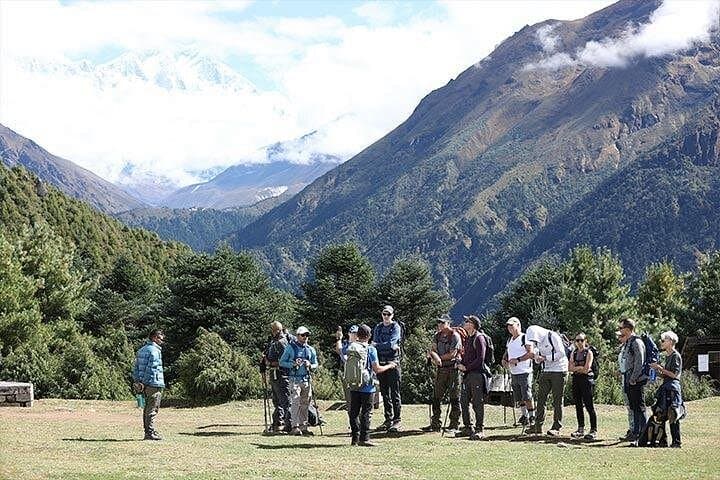
Expect high-altitude trails: rocky steps, loose moraine, short steep pitches and long, steady ascents. Typical days run 4–7 hours between tea houses; the GokyoRi day is a stiff climb with 400–700 m of elevation gain. Lodges are basic—shared rooms, hot meals when available and cold showers at higher camps. Altitude is the real challenge: plan an acclimatization day in Namche Bazaar and move deliberately.
Practical notes: carry layered insulation for strong sun and cold nights; hydrate and use a water treatment system; hire an experienced guide and porter to manage pacing and logistics. Fly into Lukla in the morning to avoid weather delays, and schedule buffer days—mountain weather and flights are unpredictable. The payoff is elemental: standing on a ridge while the first rays pull Everest out of shadow.
challenging.
10–11 days.
Good cardiovascular fitness and experience with multi-day high-altitude hiking; prepare with stair or hill training.
No—this is a high-altitude trek on defined trails and moraine; no glacier travel or technical gear is required for the standard Gokyo Ri route.
You need a TIMS card and entry permit for Sagarmatha (Everest) National Park; the operator usually arranges these as part of the tour.
Spring (March–May) and fall (Sept–Nov) offer the most stable weather and clear mountain views; winter is cold and monsoon months see heavy precipitation and cloud cover.
Daily treks average 4–7 hours with varied terrain; the climb to Gokyo Ri is the most strenuous stretch with several hundred meters of steep ascent.
The Gokyo Valley was a seasonal trade route for Sherpa traders and yak caravans; the area now sits inside Sagarmatha National Park, established to protect the region’s ecology and culture.
Tourism impacts water and waste on the plateau—use reusable water systems and choose local guides to support sustainable practices; respect lodge rules on waste disposal.
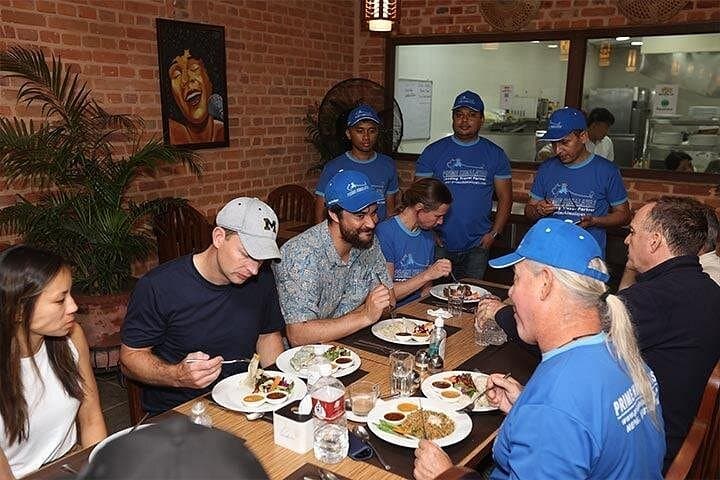
Prime Himalayas operates guided outdoor trips and adventures with an emphasis on safety, stewardship, and memorable experiences.
The first light hits the Himalaya as the little plane banks toward Lukla, and the air tastes like metal and sky. From Lukla the trail climbs through rhododendron forest, past mani walls and yak caravans, until the landscape opens to turquoise basins ringed by ice. Gokyo’s lakes sit on a moraine shoulder above the Ngozumpa Glacier, and a pre-dawn scramble up Gokyo Ri (5,357 m) delivers a horizon filled with Everest, Cho Oyu and Makalu—raw, immediate, uncompromising.
The first light hits the Himalaya as the little plane banks toward Lukla, and the air tastes like metal and sky. From Lukla the trail climbs through rhododendron forest, past mani walls and yak caravans, until the landscape opens to turquoise basins ringed by ice. Gokyo’s lakes sit on a moraine shoulder above the Ngozumpa Glacier, and a pre-dawn scramble up Gokyo Ri (5,357 m) delivers a horizon filled with Everest, Cho Oyu and Makalu—raw, immediate, uncompromising.
The valley carries Sherpa history: seasonal trade routes, isolated monasteries and prayer flags that mark centuries of Himalayan devotion. Geologically the scene is recent—glacial sculpting and moraine dams created the lakes only in the last several thousand years; the Ngozumpa Glacier still advances and recedes, reshaping the valley each season.
Expect high-altitude trails: rocky steps, loose moraine, short steep pitches and long, steady ascents. Typical days run 4–7 hours between tea houses; the GokyoRi day is a stiff climb with 400–700 m of elevation gain. Lodges are basic—shared rooms, hot meals when available and cold showers at higher camps. Altitude is the real challenge: plan an acclimatization day in Namche Bazaar and move deliberately.
Practical notes: carry layered insulation for strong sun and cold nights; hydrate and use a water treatment system; hire an experienced guide and porter to manage pacing and logistics. Fly into Lukla in the morning to avoid weather delays, and schedule buffer days—mountain weather and flights are unpredictable. The payoff is elemental: standing on a ridge while the first rays pull Everest out of shadow.