THE ADVENTURE COLLECTIVE® · Independent discovery and booking for outdoor travel

A high-altitude trek through turquoise glacial lakes and across the Ngozumpa moraine, Gokyo Lakes and Gokyo Ri offers panoramic views of Everest and the 8000m giants with fewer crowds than the classic EBC route.
A high-altitude trek through turquoise glacial lakes and across the Ngozumpa moraine, Gokyo Lakes and Gokyo Ri offers panoramic views of Everest and the 8000m giants with fewer crowds than the classic EBC route.
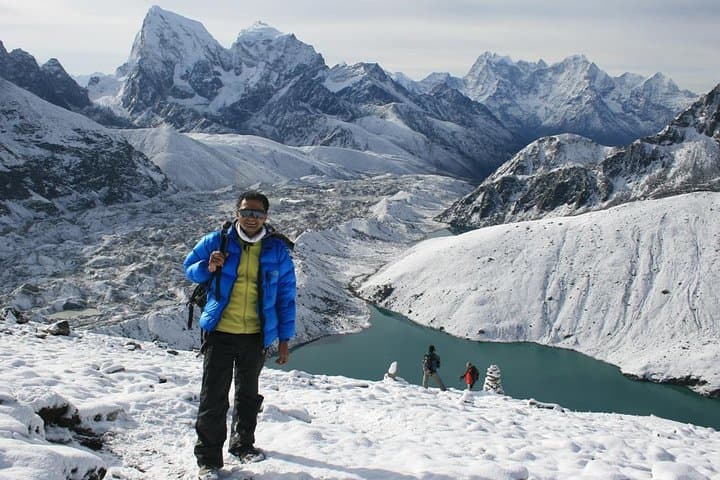
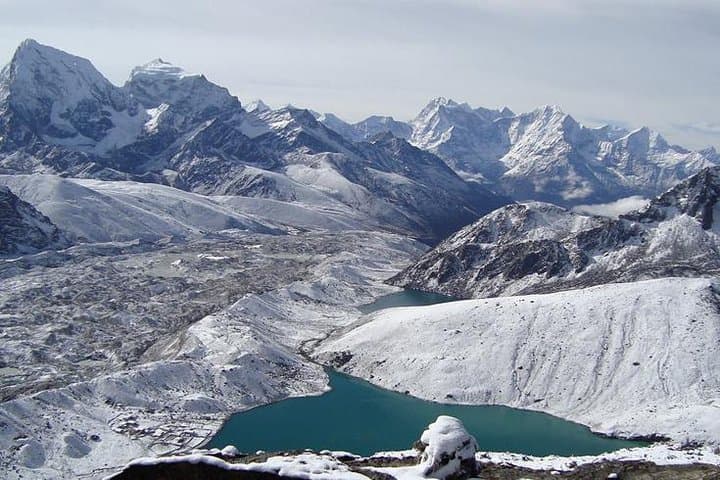
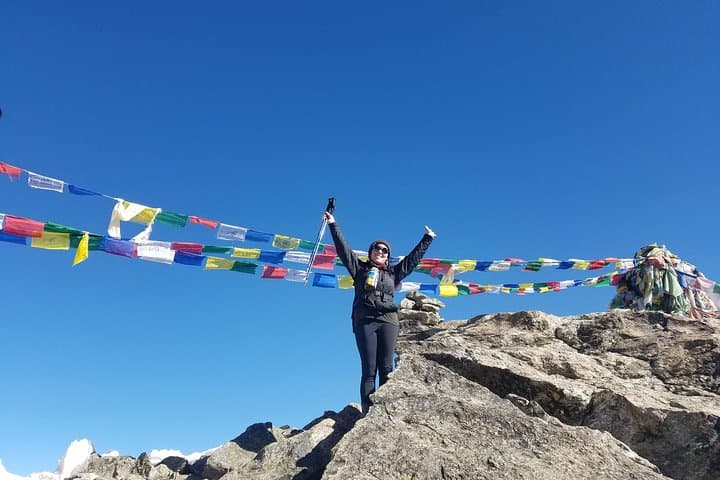
Wind strips across the high moraine as you round the third lake and first glimpse the pale spine of Ngozumpa Glacier — ice that seems to breathe under the sun. Morning light turns the cluster of Gokyo’s turquoise tarns into mirrors; prayer flags snap like small, colorful alarms across the skyline. This is high Khumbu: thin air, clear lines of ridgeline, and a sense that the mountains keep time differently.
Verified experiences and guided adventures in the surrounding area.
Operated by Nepal Mountain Trekkers - Day Tours · Gokyo, Solukhumbu
Wind strips across the high moraine as you round the third lake and first glimpse the pale spine of Ngozumpa Glacier — ice that seems to breathe under the sun. Morning light turns the cluster of Gokyo’s turquoise tarns into mirrors; prayer flags snap like small, colorful alarms across the skyline. This is high Khumbu: thin air, clear lines of ridgeline, and a sense that the mountains keep time differently.
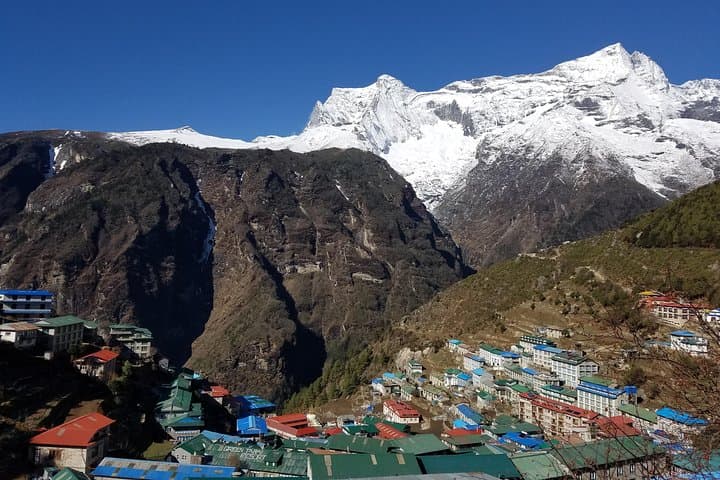
The Gokyo route has long been a Sherpa corridor and pastureland before becoming a trekking classic; glacial advance and moraine deposits sculpted the Ngozumpa basin, while religious sites in Khumjung and Namche reflect a fusion of Tibetan Buddhism and Himalayan trade culture. Geologically, you’ll traverse river valleys, carved moraines and alpine tundra that transition from rhododendron and fir to sparse, wind-swept rock above 4,000 m.
On the ground expect 10–14 days of walking from Lukla (2,800 m) with a summit push to Gokyo Ri (5,357 m) — roughly a 2,550 m net elevation gain above Lukla and steep, often rocky sections near the top. Trails vary: packed earth, stone steps, glacial moraine and occasional snowfields. Weather changes fast; wind and sun both demand attention. Hydrate early, pace for acclimatization (planned rest days in Namche), and pack layers for sub-zero nights.
Practical tips: train for sustained uphill hiking, use crampons if icy, and plan flights to/from Lukla with weather buffers. The reward is uncompromising alpine panorama — Everest, Cho Oyu, Makalu and the vast Ngozumpa Glacier rolling below — a clear, high-mountain conversation between you and the Himalaya.
challenging.
12–14 days.
Suitable for fit hikers used to multi-day walks with sustained uphill gains; cardiovascular endurance and previous trekking experience at moderate altitude are recommended.
No technical climbing is required; the ascent is steep and strenuous but non-technical—however, crampons may be needed if there is ice.
Autumn (Sept–Nov) and spring (Mar–May) offer the most stable weather and clear views; shoulder seasons can be colder with more snow.
Typical itineraries are 12–14 days from Lukla, with a summit to Gokyo Ri at 5,357 m and cumulative elevation changes across multiple days.
Most travelers stay in teahouses and lodges in villages like Machhermo and Gokyo; true camping is optional and usually arranged separately.
This corridor has long been part of Sherpa pasture and pilgrimage routes; modern trekking grew with post-1950s Himalayan exploration and local infrastructure improvements.
The area lies within Sagarmatha National Park, where strict waste and permit rules apply; minimize plastic, pack out non-biodegradable waste, and follow local guidelines to protect fragile alpine ecosystems.
Nepal Mountain Trekkers - Day Tours operates guided outdoor trips and adventures with an emphasis on safety, stewardship, and memorable experiences.
Wind strips across the high moraine as you round the third lake and first glimpse the pale spine of Ngozumpa Glacier — ice that seems to breathe under the sun. Morning light turns the cluster of Gokyo’s turquoise tarns into mirrors; prayer flags snap like small, colorful alarms across the skyline. This is high Khumbu: thin air, clear lines of ridgeline, and a sense that the mountains keep time differently.
Wind strips across the high moraine as you round the third lake and first glimpse the pale spine of Ngozumpa Glacier — ice that seems to breathe under the sun. Morning light turns the cluster of Gokyo’s turquoise tarns into mirrors; prayer flags snap like small, colorful alarms across the skyline. This is high Khumbu: thin air, clear lines of ridgeline, and a sense that the mountains keep time differently.
The Gokyo route has long been a Sherpa corridor and pastureland before becoming a trekking classic; glacial advance and moraine deposits sculpted the Ngozumpa basin, while religious sites in Khumjung and Namche reflect a fusion of Tibetan Buddhism and Himalayan trade culture. Geologically, you’ll traverse river valleys, carved moraines and alpine tundra that transition from rhododendron and fir to sparse, wind-swept rock above 4,000 m.
On the ground expect 10–14 days of walking from Lukla (2,800 m) with a summit push to Gokyo Ri (5,357 m) — roughly a 2,550 m net elevation gain above Lukla and steep, often rocky sections near the top. Trails vary: packed earth, stone steps, glacial moraine and occasional snowfields. Weather changes fast; wind and sun both demand attention. Hydrate early, pace for acclimatization (planned rest days in Namche), and pack layers for sub-zero nights.
Practical tips: train for sustained uphill hiking, use crampons if icy, and plan flights to/from Lukla with weather buffers. The reward is uncompromising alpine panorama — Everest, Cho Oyu, Makalu and the vast Ngozumpa Glacier rolling below — a clear, high-mountain conversation between you and the Himalaya.