THE ADVENTURE COLLECTIVE® · Independent discovery and booking for outdoor travel

A high-altitude photography trek through the Khumbu that links Lukla, Gokyo Lakes, Cho La and Kala Patthar for unmatched Everest-range panoramas. Built-in acclimatization and tea-house nights make this a demanding but accessible route for fit trekkers and serious photographers.
A high-altitude photography trek through the Khumbu that links Lukla, Gokyo Lakes, Cho La and Kala Patthar for unmatched Everest-range panoramas. Built-in acclimatization and tea-house nights make this a demanding but accessible route for fit trekkers and serious photographers.
Dawn on the trail feels like a shutter click: thin air, a horizon cut by serrated ice, and prayer flags flapping above a sunlit moraine. The Photography Trekking itinerary moves from Kathmandu’s bustle to Lukla’s high runway, then into the high Khumbu where glaciers, alpine meadows and sky-scraped summits compose every frame.
Verified experiences and guided adventures in the surrounding area.
Operated by Happyland Treks · Gokyo, Koshi Province
Dawn on the trail feels like a shutter click: thin air, a horizon cut by serrated ice, and prayer flags flapping above a sunlit moraine. The Photography Trekking itinerary moves from Kathmandu’s bustle to Lukla’s high runway, then into the high Khumbu where glaciers, alpine meadows and sky-scraped summits compose every frame.
This route threads centuries of Sherpa culture and mountaineering history: trade paths used long before Everest attracted summits, monasteries where mani stones guard village gates, and lodges that grew from yak camps. Geologically the Khumbu is active—short, steep valleys, glacial moraines and exposed rock uplifted by the collision of the Indian and Eurasian plates. You’ll photograph blue ice, turquoise Gokyo Lakes, and broad views from Renjo La and Cho La passes, with Everest, Lhotse, Makalu and Cho Oyu punctuating the skyline.
Expect sustained uphill sections, rocky trails with stream crossings and short glacial steps; the itinerary reaches 5,550–5,360 m on Kala Patthar and Gokyo Ri and traverses Chola and Renjo La passes. Acclimatization days at Namche and Gokyo are built in to reduce altitude risk.
Practical guidance: break shots into short rotations to limit exertion, hydrate early and often, and schedule sun-sensitive exposures around sunrise/sunset when light and temperature cooperate. Sturdy waterproof boots, layered insulation, trekking poles and extra camera batteries are musts—the cold chews battery life. Guides handle logistics and tea-house lodging, but photographers should be prepared for high-altitude hiking stamina and ever-changing weather.
This trek balances photographic opportunity with demanding high-altitude trekking—come prepared, leave with images few landscapes can equal.
challenging.
17–18 days.
High level of cardiovascular fitness and prior multiday trekking experience at altitude; comfortable walking 5–8 hours daily with a pack.
The itinerary includes early-morning climbs to Kala Patthar (around 5,550 m) and Gokyo Ri (about 5,357 m), with passes near 5,360–5,420 m.
No technical climbing is required, but you should be comfortable on steep, sometimes icy trails and may need microspikes or basic crampons depending on conditions.
The route includes rest and acclimatization days in Namche Bazaar and Gokyo Valley, and gradual elevation gain to reduce acute mountain sickness risk.
Porter service is provided (one porter per two people) and can carry camera bags, but keep delicate equipment in a carry-on daypack; protect batteries and lenses from cold and moisture.
This region sits within the traditional Sherpa homeland and the routes were used for trade and pilgrimage long before 20th-century mountaineering; Everest National Park was established to protect the high-altitude environment and culture.
Trail erosion and waste at high camps are ongoing concerns—follow pack-in/pack-out principles where possible, use local lodges and guides who support community conservation, and minimize single-use plastics.
Happyland Treks operates guided outdoor trips and adventures with an emphasis on safety, stewardship, and memorable experiences.
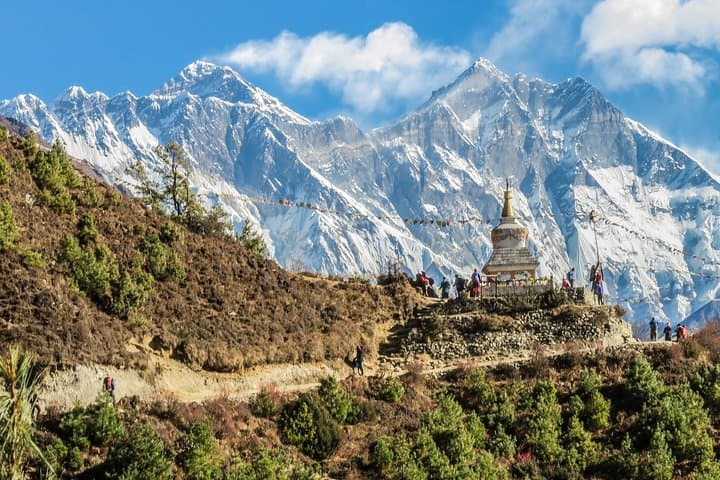
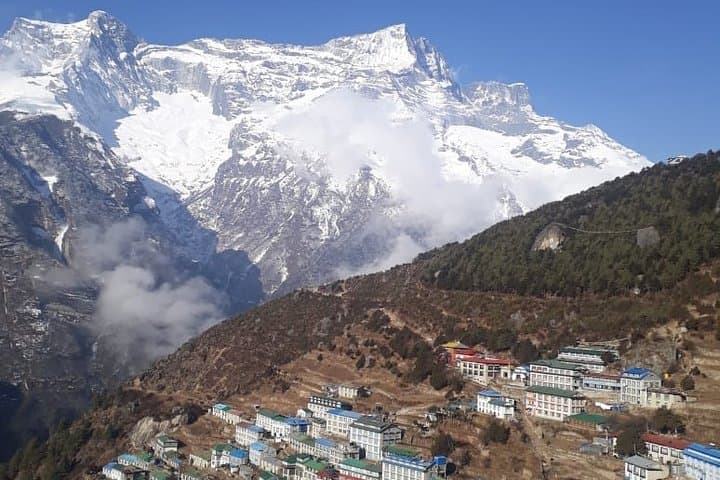
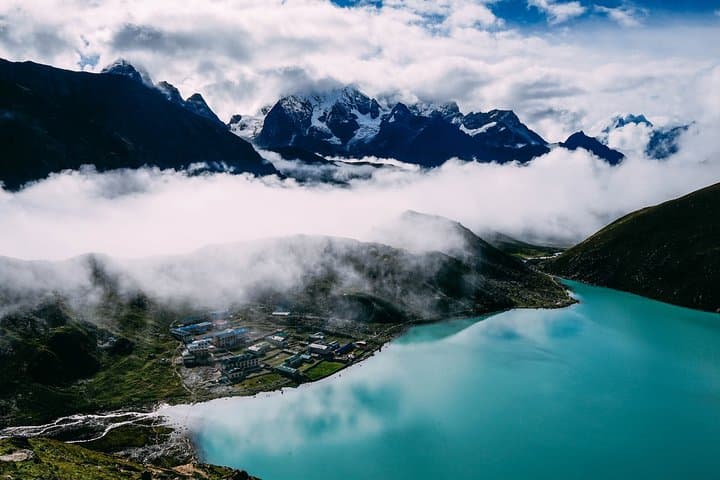
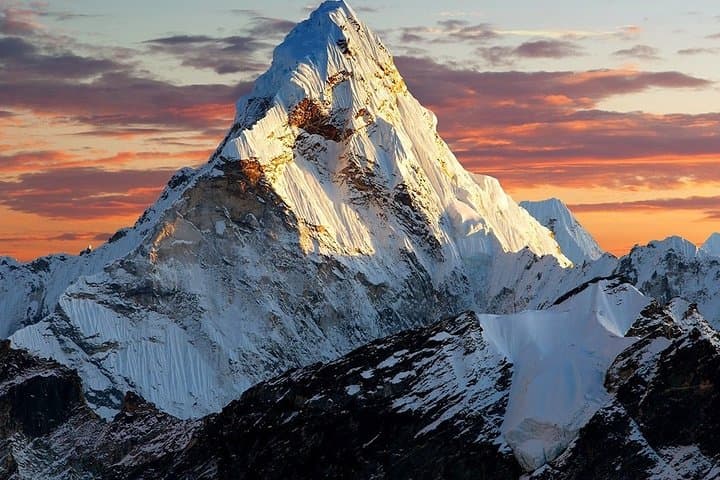
Dawn on the trail feels like a shutter click: thin air, a horizon cut by serrated ice, and prayer flags flapping above a sunlit moraine. The Photography Trekking itinerary moves from Kathmandu’s bustle to Lukla’s high runway, then into the high Khumbu where glaciers, alpine meadows and sky-scraped summits compose every frame.
Dawn on the trail feels like a shutter click: thin air, a horizon cut by serrated ice, and prayer flags flapping above a sunlit moraine. The Photography Trekking itinerary moves from Kathmandu’s bustle to Lukla’s high runway, then into the high Khumbu where glaciers, alpine meadows and sky-scraped summits compose every frame.
This route threads centuries of Sherpa culture and mountaineering history: trade paths used long before Everest attracted summits, monasteries where mani stones guard village gates, and lodges that grew from yak camps. Geologically the Khumbu is active—short, steep valleys, glacial moraines and exposed rock uplifted by the collision of the Indian and Eurasian plates. You’ll photograph blue ice, turquoise Gokyo Lakes, and broad views from Renjo La and Cho La passes, with Everest, Lhotse, Makalu and Cho Oyu punctuating the skyline.
Expect sustained uphill sections, rocky trails with stream crossings and short glacial steps; the itinerary reaches 5,550–5,360 m on Kala Patthar and Gokyo Ri and traverses Chola and Renjo La passes. Acclimatization days at Namche and Gokyo are built in to reduce altitude risk.
Practical guidance: break shots into short rotations to limit exertion, hydrate early and often, and schedule sun-sensitive exposures around sunrise/sunset when light and temperature cooperate. Sturdy waterproof boots, layered insulation, trekking poles and extra camera batteries are musts—the cold chews battery life. Guides handle logistics and tea-house lodging, but photographers should be prepared for high-altitude hiking stamina and ever-changing weather.
This trek balances photographic opportunity with demanding high-altitude trekking—come prepared, leave with images few landscapes can equal.