THE ADVENTURE COLLECTIVE® · Independent discovery and booking for outdoor travel

Combine the quiet jewel of Gokyo’s glacial lakes with the classic route to Everest Base Camp by crossing the Cho La Pass. Expect high alpine terrain, sustained altitude, and dramatic glacial vistas over 14–18 days.
Combine the quiet jewel of Gokyo’s glacial lakes with the classic route to Everest Base Camp by crossing the Cho La Pass. Expect high alpine terrain, sustained altitude, and dramatic glacial vistas over 14–18 days.
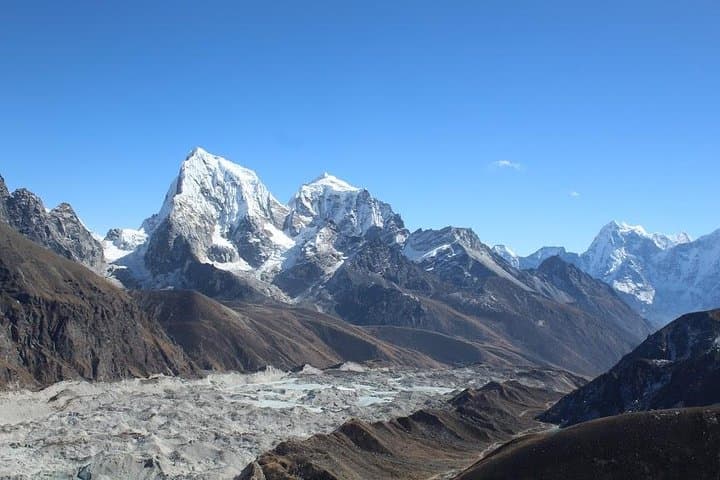
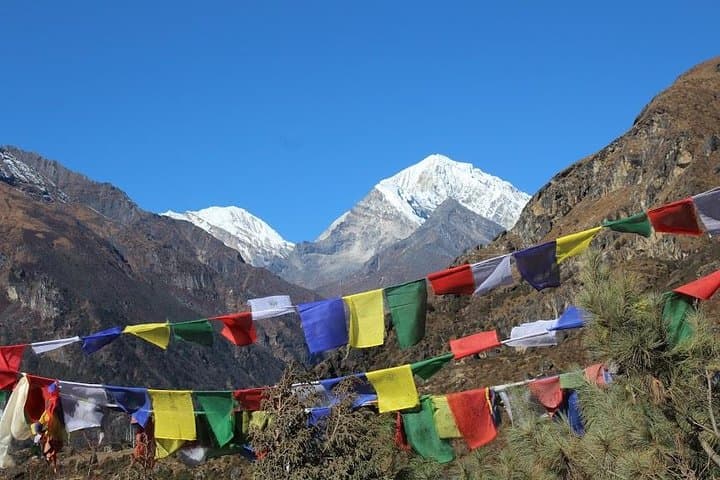
You step off the small plane in Lukla and the Himalaya closes around you—sharply pitched ridgelines, prayer flags tugging at wind, and a horizon chopped by serrated peaks. Over the next two weeks, the trail threads through corniced moraines, turquoise high-altitude lakes, and a narrow saddle where Cho La tests your balance and nerves.
Verified experiences and guided adventures in the surrounding area.
Operated by Shiva Excursion pvt.ltd. · Namche Bazaar, Solukhumbu District
You step off the small plane in Lukla and the Himalaya closes around you—sharply pitched ridgelines, prayer flags tugging at wind, and a horizon chopped by serrated peaks. Over the next two weeks, the trail threads through corniced moraines, turquoise high-altitude lakes, and a narrow saddle where Cho La tests your balance and nerves.
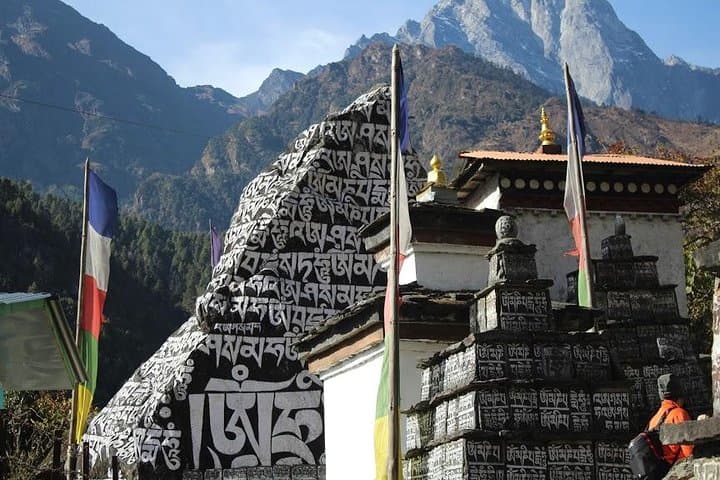
The route combines two classic approaches to Everest: the quieter Gokyo valley, famed for its glacial lakes and views from Gokyo Ri, and the busier trek to Everest Base Camp, rich in Sherpa villages and Buddhist monasteries. Geologically this is young crust—exposed moraine, active glaciers and dramatic post-glacial lakes formed as Khumbu Glacier retreats. Culturally, you pass Sherpa settlements where mani walls, prayer wheels and rooftop drying yak cheese mark daily life.
Expect sustained altitude: highest passes and viewpoints are above 5,300–5,400 m. Typical daily gains range 300–900 m over mixed terrain—rock, scree, packed dirt and occasional icy patches on the pass. Key logistics: fly into Lukla, allow 1–2 acclimatization days (Namche Bazaar, Dingboche), and budget 14–18 days total depending on pace and weather.
Practical tips: hydrate and monitor symptoms of acute mountain sickness, use trekking poles on steep descents, and pack layered insulation plus a crampon-capable gaiter if crossing early-season snow. Early-morning flights to Lukla reduce delays; book guides/porters for Cho La. The reward is high: shimmering Gokyo Lakes, a hands-on view of Khumbu Glacier, and a route that balances solitude with the classic Everest landscape.
challenging.
14–18 days.
Good aerobic fitness with experience on multi-day hikes and previous altitude exposure recommended
You should have solid endurance from repeated days of 6–8 hours of hiking with a loaded daypack; prior multi-day trekking at moderate altitude is strongly recommended.
Yes—timing and high-altitude navigation make a licensed guide advisable; permits (Sagarmatha National Park, TIMS) are required and usually arranged by operators.
Autumn (Sept–Nov) and spring (Mar–May) offer the best weather windows and visibility; monsoon season is unsuitable for most trekkers.
Watch for headache, nausea, dizziness and decreased coordination; descend immediately if symptoms worsen and seek medical evacuation for severe AMS signs.
The Khumbu has been inhabited by Sherpa communities for centuries; many trails follow traditional yak and trade routes shaped by Tibetan cultural exchange.
The region is protected under Sagarmatha National Park—stick to marked trails, pack out waste where possible, and use established teahouses to minimize campsite impact.
Shiva Excursion pvt.ltd. operates guided outdoor trips and adventures with an emphasis on safety, stewardship, and memorable experiences.
You step off the small plane in Lukla and the Himalaya closes around you—sharply pitched ridgelines, prayer flags tugging at wind, and a horizon chopped by serrated peaks. Over the next two weeks, the trail threads through corniced moraines, turquoise high-altitude lakes, and a narrow saddle where Cho La tests your balance and nerves.
You step off the small plane in Lukla and the Himalaya closes around you—sharply pitched ridgelines, prayer flags tugging at wind, and a horizon chopped by serrated peaks. Over the next two weeks, the trail threads through corniced moraines, turquoise high-altitude lakes, and a narrow saddle where Cho La tests your balance and nerves.
The route combines two classic approaches to Everest: the quieter Gokyo valley, famed for its glacial lakes and views from Gokyo Ri, and the busier trek to Everest Base Camp, rich in Sherpa villages and Buddhist monasteries. Geologically this is young crust—exposed moraine, active glaciers and dramatic post-glacial lakes formed as Khumbu Glacier retreats. Culturally, you pass Sherpa settlements where mani walls, prayer wheels and rooftop drying yak cheese mark daily life.
Expect sustained altitude: highest passes and viewpoints are above 5,300–5,400 m. Typical daily gains range 300–900 m over mixed terrain—rock, scree, packed dirt and occasional icy patches on the pass. Key logistics: fly into Lukla, allow 1–2 acclimatization days (Namche Bazaar, Dingboche), and budget 14–18 days total depending on pace and weather.
Practical tips: hydrate and monitor symptoms of acute mountain sickness, use trekking poles on steep descents, and pack layered insulation plus a crampon-capable gaiter if crossing early-season snow. Early-morning flights to Lukla reduce delays; book guides/porters for Cho La. The reward is high: shimmering Gokyo Lakes, a hands-on view of Khumbu Glacier, and a route that balances solitude with the classic Everest landscape.