THE ADVENTURE COLLECTIVE® · Independent discovery and booking for outdoor travel

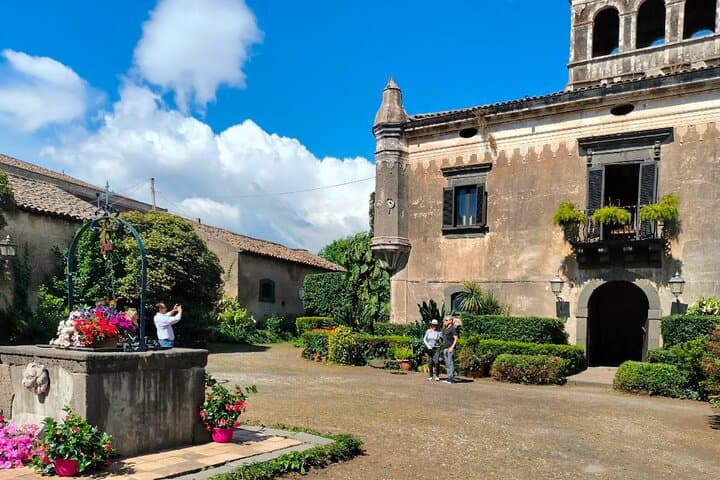
Walk the streets where The Godfather was filmed: visit the castle exhibit known as Villa Corleone, sip espresso at Bar Vitelli in Savoca, and see the Church of San Nicolò where the wedding scene was staged. This half-day private tour blends film history with hilltop Sicilian character.
Walk the streets where The Godfather was filmed: visit the castle exhibit known as Villa Corleone, sip espresso at Bar Vitelli in Savoca, and see the Church of San Nicolò where the wedding scene was staged. This half-day private tour blends film history with hilltop Sicilian character.
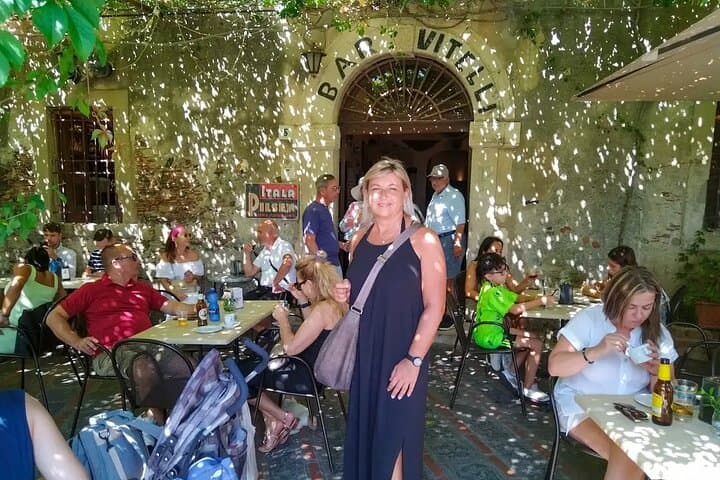
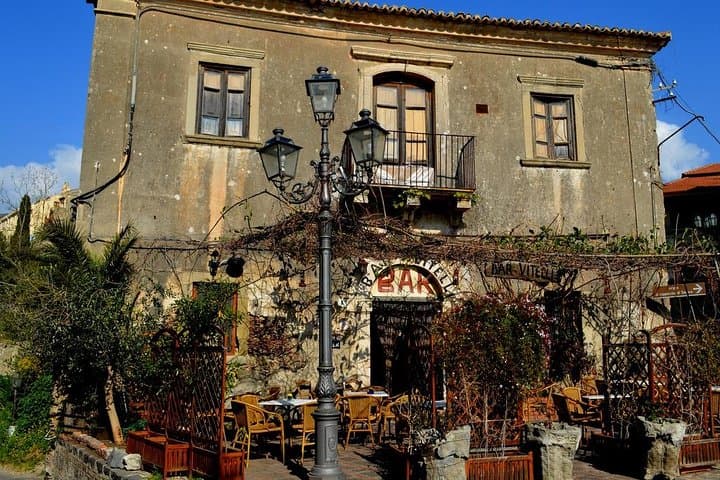
A warm Mediterranean breeze brushes the piazza as the coach pulls into a narrow Sicilian lane — shutters clap like shutters of a stage and stone stairs lead uphill to the places Coppola chose to film his quiet, tense scenes. On this half-day Godfather tour travelers stand where Michael Corleone walked, hear film excerpts in a restored castle, and move through Savoca’s angled alleys where Bar Vitelli still serves coffee beneath framed black‑and‑white photos.
Verified experiences and guided adventures in the surrounding area.
Operated by Dream Island · Taormina, Sicily
A warm Mediterranean breeze brushes the piazza as the coach pulls into a narrow Sicilian lane — shutters clap like shutters of a stage and stone stairs lead uphill to the places Coppola chose to film his quiet, tense scenes. On this half-day Godfather tour travelers stand where Michael Corleone walked, hear film excerpts in a restored castle, and move through Savoca’s angled alleys where Bar Vitelli still serves coffee beneath framed black‑and‑white photos.
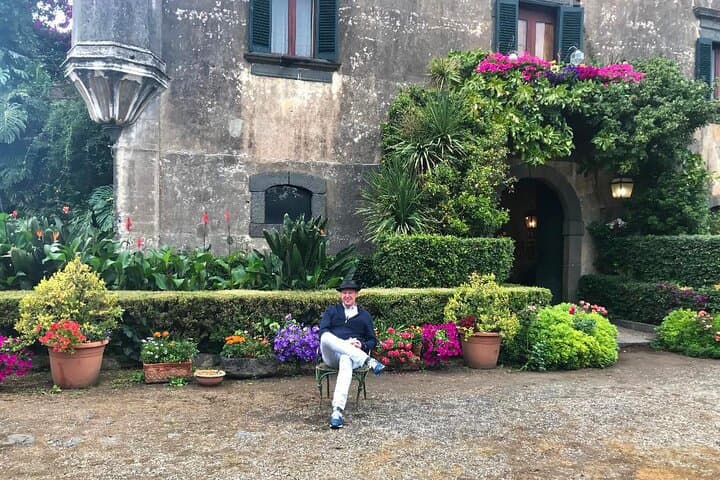
The route threads contemporary village life with mid‑20th‑century film history. Castello degli Schiavi — labeled by tourists as “Villa Corleone” — holds production documents and stills that anchor the movie to real streets and faces. Savoca and the Church of San Nicolò sit on volcanic slopes formed by ancient Etna activity; the limestone and basalt stairways creak underfoot and offer views of the Ionian coast that once guided local trade routes.
Culturally the tour is compact: a curated film exhibit, a long café table at Bar Vitelli, and a small parish church whose doorway became cinema history. Locals still live between scenes; expect working shops, drying laundry, and the hum of everyday Sicily that resists cinematic freeze‑frames.
Practical guidance: wear sturdy walking shoes for uneven cobbles and roughly 1–3 km of walking with short stair climbs (Savoca sits roughly 200–300m above the coast). Bring sun protection in summer and a light layer in spring or fall; bottled water is usually provided but carry a refillable bottle. Aim to book mornings to avoid busier afternoons and to enjoy lower light for photography. Respect private property when re-creating film poses and follow your guide for access to exhibit spaces.
easy.
4–5 hours.
Suitable for most fitness levels; involves light walking on uneven cobblestones and short flights of stairs. Expect moderate hill climbs when exploring Savoca.
The tour is approximately 4.5 hours and includes Castello degli Schiavi (Villa Corleone), Savoca and Bar Vitelli, and the Church of San Nicolò.
Yes; the operator notes stroller accessibility, but expect cobbles and some stairs — a lightweight stroller is recommended and you may need assistance on steps.
Yes, entrance to Castello degli Schiavi and the film exhibit is included in the tour price.
Language availability varies by operator and booking; check before booking for your preferred language and request it when you make the reservation.
Savoca and nearby villages were chosen by Coppola in the 1970s for their intact medieval streets; the castle exhibit preserves production materials linking the film to these real locations.
These small villages are sensitive to visitor pressure — stick to marked paths, avoid littering, and support local businesses to keep historic sites maintained.
Dream Island operates guided outdoor trips and adventures with an emphasis on safety, stewardship, and memorable experiences.
A warm Mediterranean breeze brushes the piazza as the coach pulls into a narrow Sicilian lane — shutters clap like shutters of a stage and stone stairs lead uphill to the places Coppola chose to film his quiet, tense scenes. On this half-day Godfather tour travelers stand where Michael Corleone walked, hear film excerpts in a restored castle, and move through Savoca’s angled alleys where Bar Vitelli still serves coffee beneath framed black‑and‑white photos.
A warm Mediterranean breeze brushes the piazza as the coach pulls into a narrow Sicilian lane — shutters clap like shutters of a stage and stone stairs lead uphill to the places Coppola chose to film his quiet, tense scenes. On this half-day Godfather tour travelers stand where Michael Corleone walked, hear film excerpts in a restored castle, and move through Savoca’s angled alleys where Bar Vitelli still serves coffee beneath framed black‑and‑white photos.
The route threads contemporary village life with mid‑20th‑century film history. Castello degli Schiavi — labeled by tourists as “Villa Corleone” — holds production documents and stills that anchor the movie to real streets and faces. Savoca and the Church of San Nicolò sit on volcanic slopes formed by ancient Etna activity; the limestone and basalt stairways creak underfoot and offer views of the Ionian coast that once guided local trade routes.
Culturally the tour is compact: a curated film exhibit, a long café table at Bar Vitelli, and a small parish church whose doorway became cinema history. Locals still live between scenes; expect working shops, drying laundry, and the hum of everyday Sicily that resists cinematic freeze‑frames.
Practical guidance: wear sturdy walking shoes for uneven cobbles and roughly 1–3 km of walking with short stair climbs (Savoca sits roughly 200–300m above the coast). Bring sun protection in summer and a light layer in spring or fall; bottled water is usually provided but carry a refillable bottle. Aim to book mornings to avoid busier afternoons and to enjoy lower light for photography. Respect private property when re-creating film poses and follow your guide for access to exhibit spaces.