THE ADVENTURE COLLECTIVE® · Independent discovery and booking for outdoor travel

Escape Kathmandu for a six-hour hike from Godawari's botanical pockets up to Phulchowki's forested summit. This half-day route mixes cultural temples, rich foothill forest and sweeping views over the valley.
Escape Kathmandu for a six-hour hike from Godawari's botanical pockets up to Phulchowki's forested summit. This half-day route mixes cultural temples, rich foothill forest and sweeping views over the valley.
Morning light filters through tall rhododendron and oak as you leave Kathmandu's hum behind and climb into the quiet of Godawari's ecological gardens. The route threads mossy tracks, temple clearings and bird-choked canopies before angling upward toward Phulchowki, the highest hill around the valley; by mid-hike the city shrinks below into a patchwork of rooftops and rice fields.
Verified experiences and guided adventures in the surrounding area.
Operated by Peak to Peak Tours and Treks Pvt Ltd · Kathmandu, Bagmati Province
Morning light filters through tall rhododendron and oak as you leave Kathmandu's hum behind and climb into the quiet of Godawari's ecological gardens. The route threads mossy tracks, temple clearings and bird-choked canopies before angling upward toward Phulchowki, the highest hill around the valley; by mid-hike the city shrinks below into a patchwork of rooftops and rice fields.
This corridor links living cultural sites and Himalayan foothill forest. Godawari has long been a local pilgrimage and botanical spot, while Phulchowki's slopes carry centuries of small temple sites and watchpoints used by Newar and hill communities. Geologically, the ridge is part of the Siwalik foothills—steep, folded sedimentary layers covered in deep, humus-rich soils that feed broadleaf forests and seasonal springs.
Expect narrow dirt tracks, some stone steps, and a sustained ascent to roughly 2,791 m at Phulchowki; the trail alternates shaded forest and open ridgeline exposed to sun and wind. Birdwatchers arrive early—warblers, sunbirds and pheasants are common—while the scent of damp leaf litter and pine oils shapes the hike's rhythm. Guides will point out temple shrines, unique flora, and viewpoints over the valley.
Practical edge: start early to avoid heat and afternoon fog, carry water and a light rain shell, wear grippy hiking shoes for rooty, sometimes muddy ground, and allow six hours round trip including stops. Respect temple areas, stay on designated trails to limit erosion, and be prepared for a noticeable altitude and temperature change at the summit.
moderate.
6 hours.
Moderate fitness: comfortable with continuous uphill walking and uneven footing for several hours; short breaks included.
The experience is a half-day, roughly six hours round trip with a steady uphill to Phulchowki (approx 2,791 m); it’s rated moderate—uneven terrain and sustained climbs require basic fitness.
A licensed English-speaking guide is typically provided and recommended for navigation, cultural context and spotting local flora and fauna.
There’s no special permit for casual day hikes, though some temple areas may request a small donation; organized tours often include any local access fees.
Phulchowki reaches near 2,800 m, which can cause mild symptoms for sensitive people—ascend at a steady pace, hydrate, and avoid overexertion if you feel unwell.
Godawari has been a local pilgrimage and botanical area for generations, while Phulchowki’s temples and high ridges feature in Newar cultural routes and traditional hill worship.
Trails are vulnerable to erosion and invasive plants; stick to marked paths, pack out waste, and support local guides who follow sustainable trail practices.
Peak to Peak Tours and Treks Pvt Ltd operates guided outdoor trips and adventures with an emphasis on safety, stewardship, and memorable experiences.
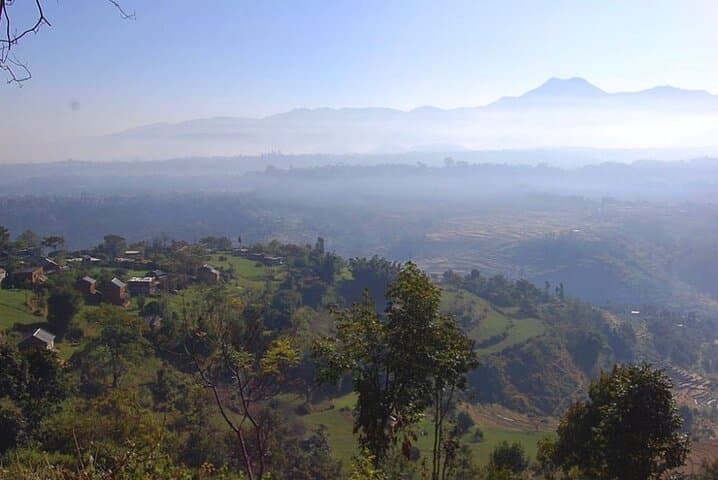
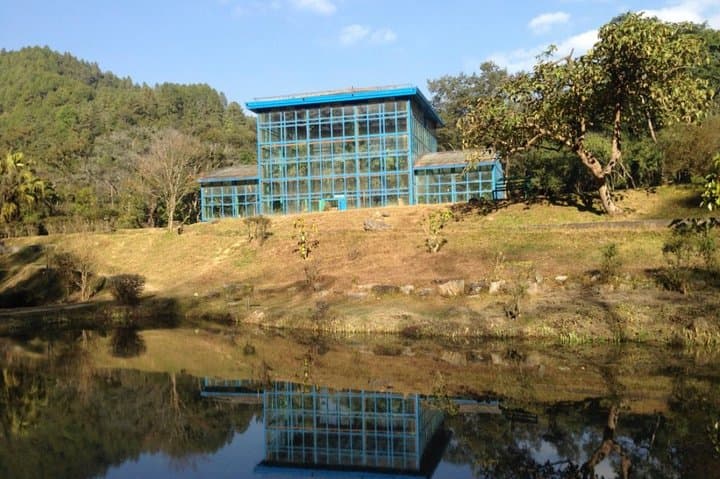
Morning light filters through tall rhododendron and oak as you leave Kathmandu's hum behind and climb into the quiet of Godawari's ecological gardens. The route threads mossy tracks, temple clearings and bird-choked canopies before angling upward toward Phulchowki, the highest hill around the valley; by mid-hike the city shrinks below into a patchwork of rooftops and rice fields.
Morning light filters through tall rhododendron and oak as you leave Kathmandu's hum behind and climb into the quiet of Godawari's ecological gardens. The route threads mossy tracks, temple clearings and bird-choked canopies before angling upward toward Phulchowki, the highest hill around the valley; by mid-hike the city shrinks below into a patchwork of rooftops and rice fields.
This corridor links living cultural sites and Himalayan foothill forest. Godawari has long been a local pilgrimage and botanical spot, while Phulchowki's slopes carry centuries of small temple sites and watchpoints used by Newar and hill communities. Geologically, the ridge is part of the Siwalik foothills—steep, folded sedimentary layers covered in deep, humus-rich soils that feed broadleaf forests and seasonal springs.
Expect narrow dirt tracks, some stone steps, and a sustained ascent to roughly 2,791 m at Phulchowki; the trail alternates shaded forest and open ridgeline exposed to sun and wind. Birdwatchers arrive early—warblers, sunbirds and pheasants are common—while the scent of damp leaf litter and pine oils shapes the hike's rhythm. Guides will point out temple shrines, unique flora, and viewpoints over the valley.
Practical edge: start early to avoid heat and afternoon fog, carry water and a light rain shell, wear grippy hiking shoes for rooty, sometimes muddy ground, and allow six hours round trip including stops. Respect temple areas, stay on designated trails to limit erosion, and be prepared for a noticeable altitude and temperature change at the summit.