THE ADVENTURE COLLECTIVE® · Independent discovery and booking for outdoor travel

A one-day climb from Godavari to the summit of Phulchowki puts you on the highest rim of the Kathmandu Valley with sweeping Himalayan views. Expect dense rhododendron forest, abundant birdlife, and a steady uphill singletrack culminating in a panoramic lunch spot.
A one-day climb from Godavari to the summit of Phulchowki puts you on the highest rim of the Kathmandu Valley with sweeping Himalayan views. Expect dense rhododendron forest, abundant birdlife, and a steady uphill singletrack culminating in a panoramic lunch spot.
The trail begins where the city exhales into green: Godavari’s botanical garden feeds the first steps, and the path climbs into a dark, humid canopy where rhododendron trunks lean like quiet sentries. As the slope opens, the forest seems to push you forward toward Phulchowki’s crest, and suddenly the valley drops away — a broad bowl of terraced roofs and pagoda spires while the Himalaya line up like a distant, silent audience.
Verified experiences and guided adventures in the surrounding area.
Operated by Himalayan Planet Adventures · Kathmandu, Bagmati Province
The trail begins where the city exhales into green: Godavari’s botanical garden feeds the first steps, and the path climbs into a dark, humid canopy where rhododendron trunks lean like quiet sentries. As the slope opens, the forest seems to push you forward toward Phulchowki’s crest, and suddenly the valley drops away — a broad bowl of terraced roofs and pagoda spires while the Himalaya line up like a distant, silent audience.
Phulchowki (often spelled Fulchoki) is the highest point on Kathmandu’s rim and has long been part shrine, part natural observatory. Geologically, the hill is a ridge of uplifted Tertiary formations capped in deep, well-drained soils that favor oak and rhododendron; culturally it’s a local pilgrimage site and a century-old birdwatching hotspot. The Godavari gardens at the trailhead were developed during the Rana period and feed into routes used by villagers and worshipers for generations.
Expect compact singletrack through mixed broadleaf forest, steady uphill grades and sections of stone steps. Birdlife dominates the soundscape — the forest will call to you long before the summit appears. On clear days, views sweep from Annapurna in the west to peaks around Everest in the east; on hazy afternoons, the valley’s layered towns are the reward.
Practical bits: start early to avoid afternoon haze and monsoon showers, bring 1.5–2 L water, and plan for 4–6 hours hiking time (longer with transit). Wear stiff-soled boots for rocky steps, and keep noise to a minimum — this area is prized by birders. With a guide and picnic at the top, this is a full-day, accessible way to stand on Kathmandu’s rim and see the high Himalaya answer back.
moderate.
7–9 hours (includes transport and breaks).
Requires steady aerobic fitness and the ability to sustain uphill hiking for several hours.
The guided trip is typically a full-day outing: about 3–4 hours of walking round-trip plus transport and breaks, totalling 7–9 hours door-to-door.
No special permit is normally required for day hikes from Godavari, though entry fees may apply at the botanical gardens; your guide or operator handles local logistics.
Yes—fit beginners with prior hill-walking experience can complete it, but it’s not recommended for people with serious heart or back issues due to sustained uphill sections.
The area is known for abundant birdlife and small mammals; sightings often include various warblers, sunbirds, and occasionally rhesus macaques near trails.
Phulchowki has long been a local pilgrimage hill and was developed with botanical gardens during the Rana era; its trails link village paths and sacred sites.
This forest is a major birdwatching area—stay on marked trails, take all trash out, and keep voices low to protect sensitive species and habitat.
Himalayan Planet Adventures operates guided outdoor trips and adventures with an emphasis on safety, stewardship, and memorable experiences.
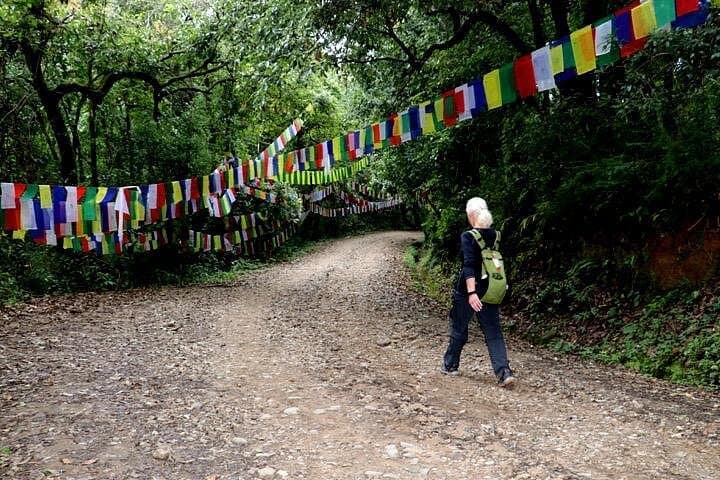
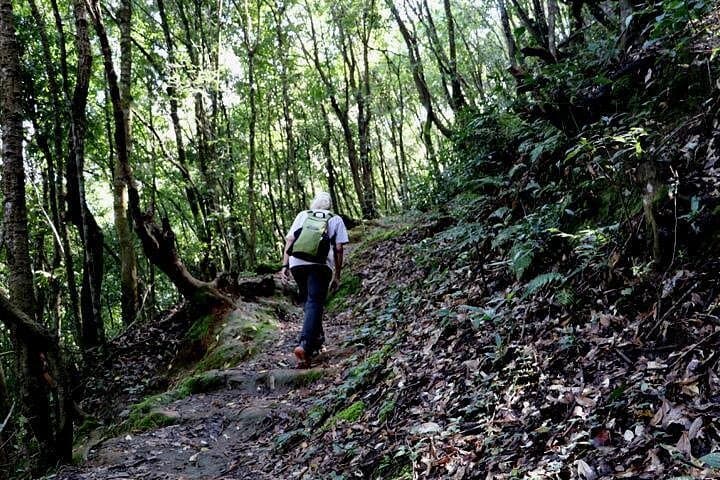
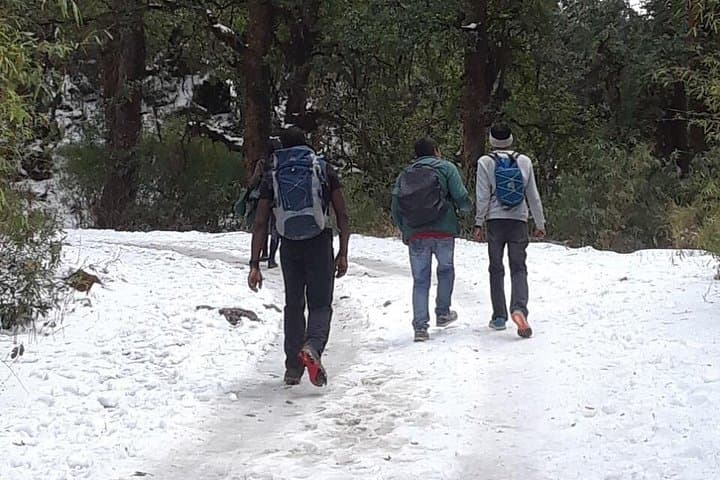
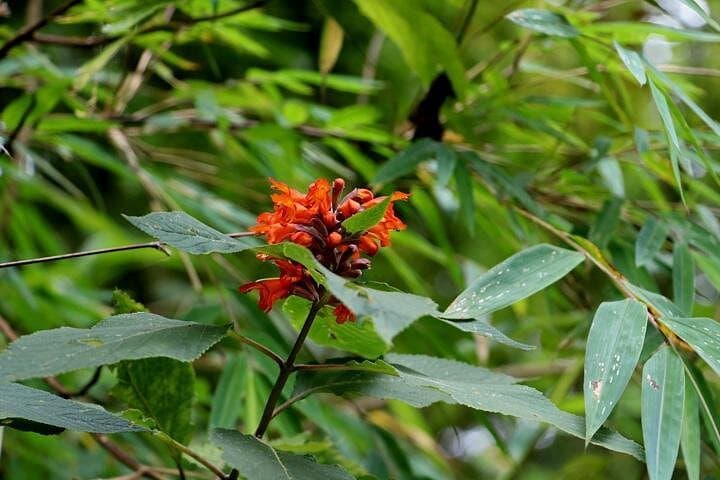
The trail begins where the city exhales into green: Godavari’s botanical garden feeds the first steps, and the path climbs into a dark, humid canopy where rhododendron trunks lean like quiet sentries. As the slope opens, the forest seems to push you forward toward Phulchowki’s crest, and suddenly the valley drops away — a broad bowl of terraced roofs and pagoda spires while the Himalaya line up like a distant, silent audience.
The trail begins where the city exhales into green: Godavari’s botanical garden feeds the first steps, and the path climbs into a dark, humid canopy where rhododendron trunks lean like quiet sentries. As the slope opens, the forest seems to push you forward toward Phulchowki’s crest, and suddenly the valley drops away — a broad bowl of terraced roofs and pagoda spires while the Himalaya line up like a distant, silent audience.
Phulchowki (often spelled Fulchoki) is the highest point on Kathmandu’s rim and has long been part shrine, part natural observatory. Geologically, the hill is a ridge of uplifted Tertiary formations capped in deep, well-drained soils that favor oak and rhododendron; culturally it’s a local pilgrimage site and a century-old birdwatching hotspot. The Godavari gardens at the trailhead were developed during the Rana period and feed into routes used by villagers and worshipers for generations.
Expect compact singletrack through mixed broadleaf forest, steady uphill grades and sections of stone steps. Birdlife dominates the soundscape — the forest will call to you long before the summit appears. On clear days, views sweep from Annapurna in the west to peaks around Everest in the east; on hazy afternoons, the valley’s layered towns are the reward.
Practical bits: start early to avoid afternoon haze and monsoon showers, bring 1.5–2 L water, and plan for 4–6 hours hiking time (longer with transit). Wear stiff-soled boots for rocky steps, and keep noise to a minimum — this area is prized by birders. With a guide and picnic at the top, this is a full-day, accessible way to stand on Kathmandu’s rim and see the high Himalaya answer back.