THE ADVENTURE COLLECTIVE® · Independent discovery and booking for outdoor travel

A compact day hike from Beomeosa temple to Godangbong (801 m) pairs brisk granite scrambles with centuries-old temple architecture and fortress walls. Expect steep climbs, sweeping city-and-sea views, and a cultural cooldown at one of Korea’s oldest temples.
A compact day hike from Beomeosa temple to Godangbong (801 m) pairs brisk granite scrambles with centuries-old temple architecture and fortress walls. Expect steep climbs, sweeping city-and-sea views, and a cultural cooldown at one of Korea’s oldest temples.
You break from Busan’s waterfront noise into a cool, steep corridor of pines and granite, the city shrinking behind the trunks as you head toward Godangbong (801 m). The trail rises quickly from Beomeosa temple—already perched at roughly 300 m—moving from mossy temple steps to exposed rocky slabs where the wind carries the scent of sea and old incense.
Verified experiences and guided adventures in the surrounding area.
Operated by KOREA DISCOVERY TOUR · Busan, Busan
You break from Busan’s waterfront noise into a cool, steep corridor of pines and granite, the city shrinking behind the trunks as you head toward Godangbong (801 m). The trail rises quickly from Beomeosa temple—already perched at roughly 300 m—moving from mossy temple steps to exposed rocky slabs where the wind carries the scent of sea and old incense.
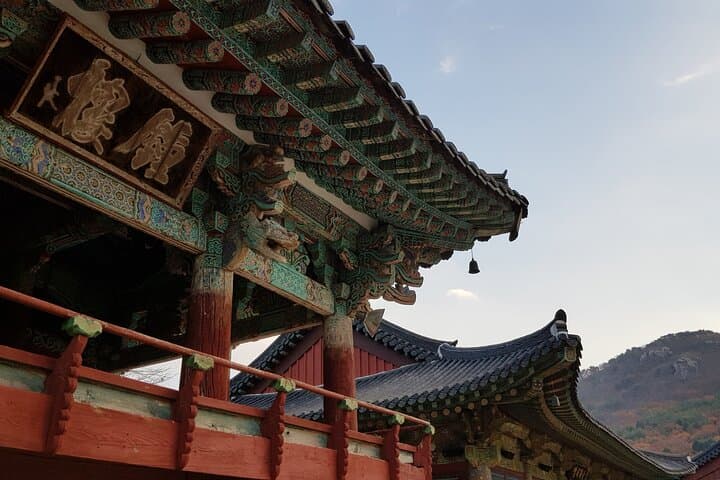
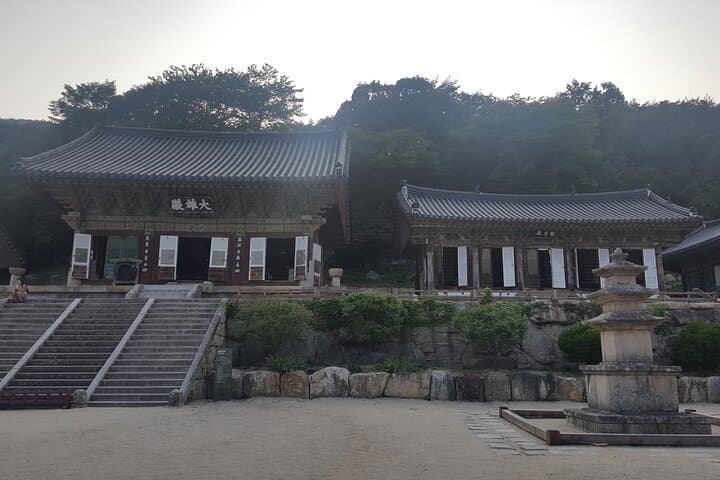
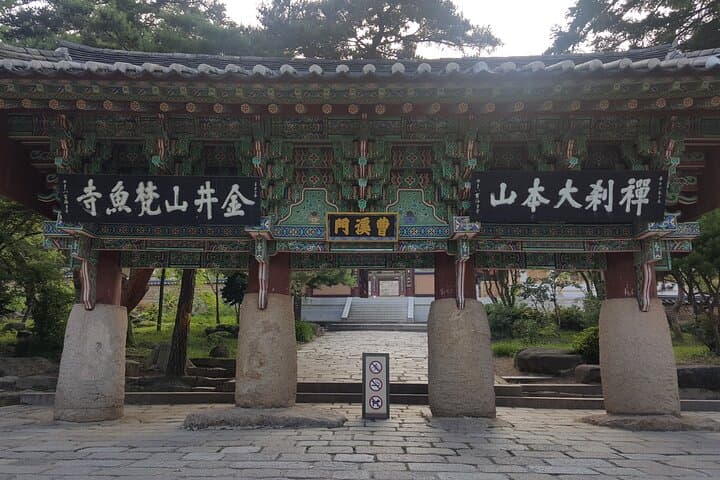
This ridge has a long history: Beomeosa was founded in 678 by the Silla monk Uisang and the slopes below hold the Geumjeongsanseong fortress walls built to guard inland approaches. Geologically, Geumjeongsan is granite — big, rounded outcrops and cavities such as the named Geumsaem (Golden Pond) that punctuate the route and create natural viewpoints. Culturally the temple remains active; visitors pass through courtyards, lacquered eaves, and low-key rituals that have anchored the mountain for 1,300+ years.
Practical guide: the climb from Beomeosa to Godangbong covers about 2.2 km one-way with roughly 500 m of elevation gain; expect 1–1.5 hours up on a steady trail that alternates paved steps, packed dirt, and granite scrambles. Allow 5–6 hours total for a guided day trip that includes summit time, descent via the fortress north gate, and a temple visit. Start early to avoid midday heat and temple crowds, carry 1.5–2 L water, wear treaded boots for granite, and observe temple etiquette (quiet, no flash photos inside halls). The summit rewards you with sweeping views across Busan’s urban sprawl, the Nakdong estuary, and the yellow sweep of the coastline — a compact, culturally rich day hike that blends geology, history, and city panoramas.
moderate.
5–6 hours.
Suitable for hikers with moderate fitness who can handle sustained elevation gain and some scrambling
The route is moderate: about 2.2 km one-way with roughly 500 m elevation gain; expect steep sections but no technical climbing.
Beomeosa is an active temple open to visitors; there is generally no admission fee for temple grounds, though certain halls or programs may charge.
Guided tours typically include private transport from central Busan; independent travelers can reach Beomeosa by subway (Line 1 to Beomeosa Station) then a short taxi or bus ride to the temple entrance.
Steep granite becomes slippery in rain—operators may cancel in heavy rain or poor visibility; check forecasts and reschedule if storms are likely.
Beomeosa temple was founded in 678 by the Silla-era monk Uisang; Geumjeongsanseong fortress later fortified these slopes to protect the city.
Stay on designated trails to protect fragile mountain vegetation and cultural sites; the temple and park authorities encourage no-litter practices and minimal-impact visits.
KOREA DISCOVERY TOUR operates guided outdoor trips and adventures with an emphasis on safety, stewardship, and memorable experiences.

You break from Busan’s waterfront noise into a cool, steep corridor of pines and granite, the city shrinking behind the trunks as you head toward Godangbong (801 m). The trail rises quickly from Beomeosa temple—already perched at roughly 300 m—moving from mossy temple steps to exposed rocky slabs where the wind carries the scent of sea and old incense.
You break from Busan’s waterfront noise into a cool, steep corridor of pines and granite, the city shrinking behind the trunks as you head toward Godangbong (801 m). The trail rises quickly from Beomeosa temple—already perched at roughly 300 m—moving from mossy temple steps to exposed rocky slabs where the wind carries the scent of sea and old incense.
This ridge has a long history: Beomeosa was founded in 678 by the Silla monk Uisang and the slopes below hold the Geumjeongsanseong fortress walls built to guard inland approaches. Geologically, Geumjeongsan is granite — big, rounded outcrops and cavities such as the named Geumsaem (Golden Pond) that punctuate the route and create natural viewpoints. Culturally the temple remains active; visitors pass through courtyards, lacquered eaves, and low-key rituals that have anchored the mountain for 1,300+ years.
Practical guide: the climb from Beomeosa to Godangbong covers about 2.2 km one-way with roughly 500 m of elevation gain; expect 1–1.5 hours up on a steady trail that alternates paved steps, packed dirt, and granite scrambles. Allow 5–6 hours total for a guided day trip that includes summit time, descent via the fortress north gate, and a temple visit. Start early to avoid midday heat and temple crowds, carry 1.5–2 L water, wear treaded boots for granite, and observe temple etiquette (quiet, no flash photos inside halls). The summit rewards you with sweeping views across Busan’s urban sprawl, the Nakdong estuary, and the yellow sweep of the coastline — a compact, culturally rich day hike that blends geology, history, and city panoramas.