THE ADVENTURE COLLECTIVE® · Independent discovery and booking for outdoor travel

A private full-day from Chachapoyas delivers an immersive hike to Gocta, one of the world’s tallest waterfalls. Hike 2–3 hours through cloud forest, arrive at dramatic double-tiered drops, and return with time for photos and local insights.
A private full-day from Chachapoyas delivers an immersive hike to Gocta, one of the world’s tallest waterfalls. Hike 2–3 hours through cloud forest, arrive at dramatic double-tiered drops, and return with time for photos and local insights.
A mist clings to the trunks as the road drops toward Cocachimba and the trailhead — the cloud forest breathing around you as you step off the transfer and begin. The path threads through small farms, moss-draped trees and stands of bamboo; each turn hints at the sound of falling water before the canyon opens and Gocta’s curtains appear, descending from the cliff like a pulled veil.
Verified experiences and guided adventures in the surrounding area.
Operated by LimaTours · Chachapoyas, Amazonas
A mist clings to the trunks as the road drops toward Cocachimba and the trailhead — the cloud forest breathing around you as you step off the transfer and begin. The path threads through small farms, moss-draped trees and stands of bamboo; each turn hints at the sound of falling water before the canyon opens and Gocta’s curtains appear, descending from the cliff like a pulled veil.
Gocta sits within the Amazonas region that was once the domain of the Chachapoyas culture, and the falls gained wider attention only in the early 21st century. Geologically the drop is dramatic: two major tiers that together reach roughly 771 meters, carved into volcanic and sedimentary rock and fed by highland streams. Locals in Cocachimba maintain small hospitality spots and, culturally, the route is as much a community corridor as a nature walk.
The hike itself is straightforward but varied: expect 2–3 hours on trail sections through cloud forest and agricultural terraces, with muddy stretches and short, steep pitches. Footing can be uneven; orchids, bromeliads and hummingbirds are common company. Photography windows are frequent but weather-dependent — mist can amplify the scale just as fast as it can hide it.
Practicalities: depart from Chachapoyas early to avoid afternoon rain, bring layered breathable clothing, a waterproof shell, 2 liters of water and small local currency for snacks or optional horseback rides. Guides handle permits and logistics, so focus on pacing and leaving no trace — the trail is fragile and local livelihoods depend on respectful visitation.
moderate.
6–8 hours.
Moderate cardiovascular fitness and comfort with sustained uphill and downhill hiking for several hours.
The walking portion is typically 2–3 hours on the trail, with the full tour including transfers running about 8 hours.
Children used to moderate hikes can manage sections, but the route has steep and uneven parts; those with cardiovascular or mobility issues should avoid it.
Yes — entrance to Gocta and hotel pickup/drop-off in Chachapoyas are included in the tour price.
Dry months (April–December) provide the most reliable access and clearer views; January–March is the rainy season and access can be restricted.
The Chachapoyas region was home to a pre-Inca culture; Gocta remained largely known to local communities until it drew broader attention in the early 2000s.
Trail erosion and litter are local concerns; stay on paths, carry out waste, and support community guides to minimize impact.
LimaTours operates guided outdoor trips and adventures with an emphasis on safety, stewardship, and memorable experiences.
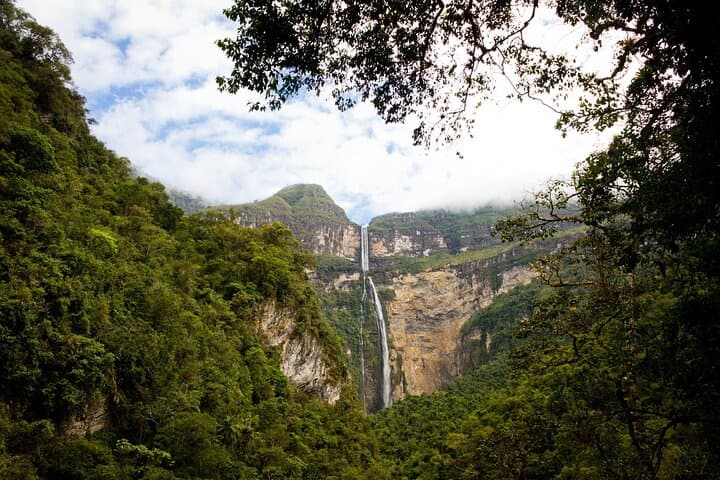
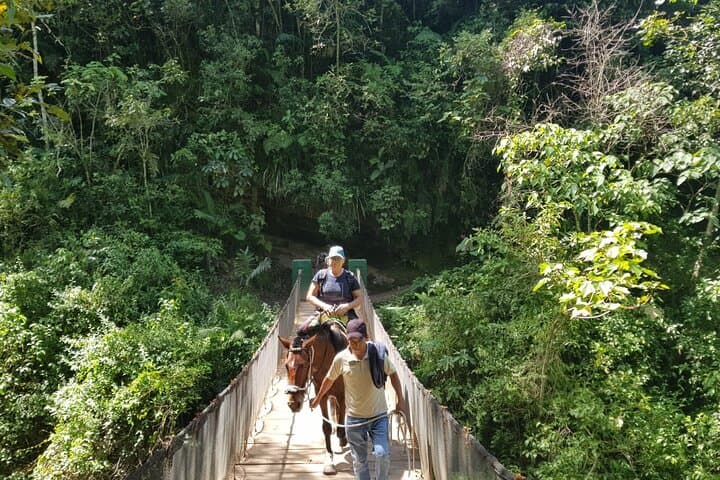
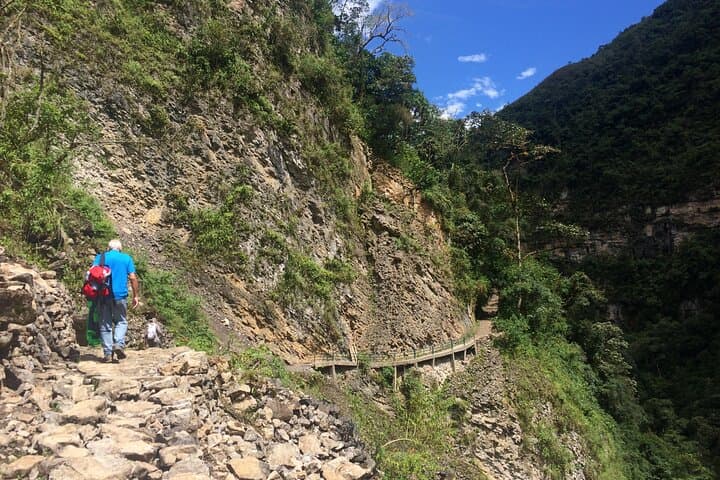
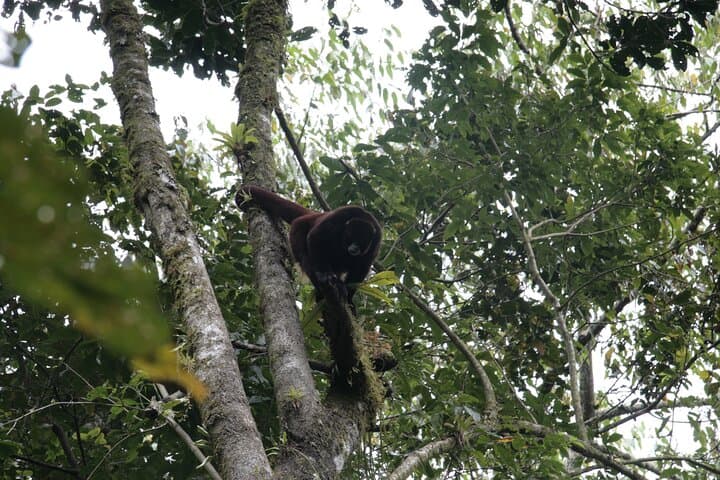
A mist clings to the trunks as the road drops toward Cocachimba and the trailhead — the cloud forest breathing around you as you step off the transfer and begin. The path threads through small farms, moss-draped trees and stands of bamboo; each turn hints at the sound of falling water before the canyon opens and Gocta’s curtains appear, descending from the cliff like a pulled veil.
A mist clings to the trunks as the road drops toward Cocachimba and the trailhead — the cloud forest breathing around you as you step off the transfer and begin. The path threads through small farms, moss-draped trees and stands of bamboo; each turn hints at the sound of falling water before the canyon opens and Gocta’s curtains appear, descending from the cliff like a pulled veil.
Gocta sits within the Amazonas region that was once the domain of the Chachapoyas culture, and the falls gained wider attention only in the early 21st century. Geologically the drop is dramatic: two major tiers that together reach roughly 771 meters, carved into volcanic and sedimentary rock and fed by highland streams. Locals in Cocachimba maintain small hospitality spots and, culturally, the route is as much a community corridor as a nature walk.
The hike itself is straightforward but varied: expect 2–3 hours on trail sections through cloud forest and agricultural terraces, with muddy stretches and short, steep pitches. Footing can be uneven; orchids, bromeliads and hummingbirds are common company. Photography windows are frequent but weather-dependent — mist can amplify the scale just as fast as it can hide it.
Practicalities: depart from Chachapoyas early to avoid afternoon rain, bring layered breathable clothing, a waterproof shell, 2 liters of water and small local currency for snacks or optional horseback rides. Guides handle permits and logistics, so focus on pacing and leaving no trace — the trail is fragile and local livelihoods depend on respectful visitation.