
Gobustan Open Air Museum and Mud Volcanoes: Day Trip from Baku
Spend a half-day from Baku exploring Gobustan’s UNESCO rock art and the region’s active mud volcanoes. This accessible day trip blends archaeology, geology, and stark, wind-sculpted panoramas—ideal for travelers who want history with a side of raw earth.
An Adventure In Baku.
Spend a half-day from Baku exploring Gobustan’s UNESCO rock art and the region’s active mud volcanoes. This accessible day trip blends archaeology, geology, and stark, wind-sculpted panoramas—ideal for travelers who want history with a side of raw earth.
Read the full experience
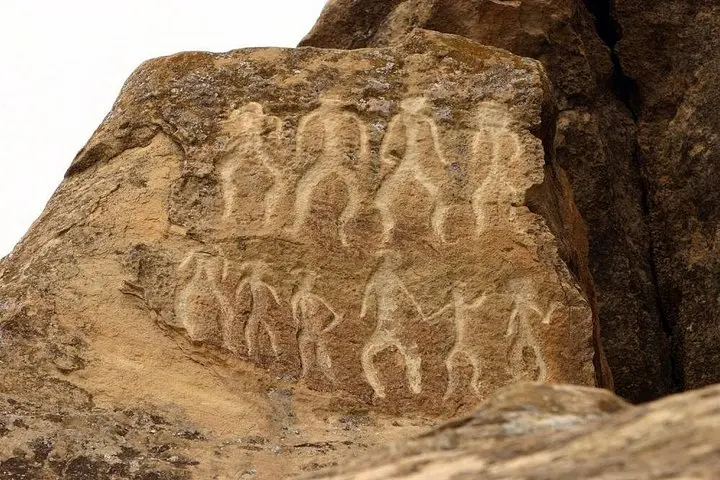
The first step off the minibus is a small shock: wind-scrubbed stone, the scrubby scrub of semi-desert, and a yawning horizon where the land seems to have been carved by patience rather than force. Up close, the rocks are a record book—panels of petroglyphs pecked and painted across millennia. The guide's pointer slows over a reindeer, a boat, a hunter; the past feels immediate, like someone has paused mid-story.
The first step off the minibus is a small shock: wind-scrubbed stone, the scrubby scrub of semi-desert, and a yawning horizon where the land seems to have been carved by patience rather than force. Up close, the rocks are a record book—panels of petroglyphs pecked and painted across millennia. The guide's pointer slows over a reindeer, a boat, a hunter; the past feels immediate, like someone has paused mid-story.
Gobustan's plates of volcanic rock lie roughly an hour from Baku, a low-lying plateau where Bronze Age shepherds left images and the earth still vents with the odd, bubbling personality of a mud volcano. The UNESCO-listed rock art here dates from the Upper Paleolithic through the Medieval period, offering a rare continuity of human expression carved into basalt and sandstone.
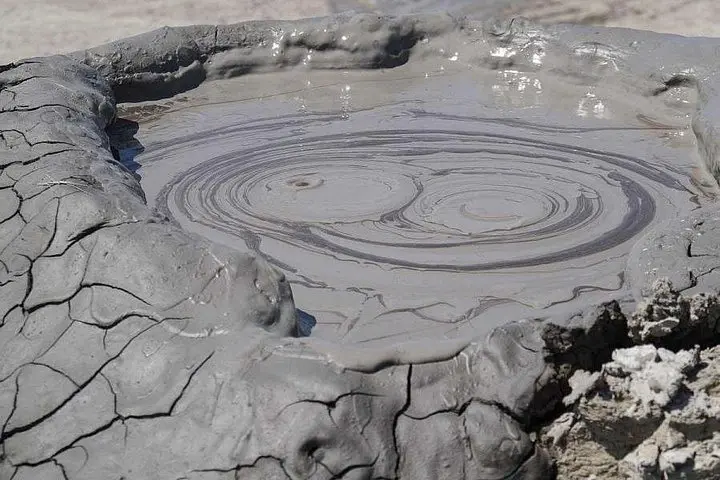
Geologically, Gobustan is a place of contrasts: ancient human marks on bedrock that also fractures and exhales. Azerbaijan sits on a tectonic seam, and that pressure drives subterranean mud toward the surface. The mud volcanoes—sputtering domes that belch gray mud and a faint sulfur note—are living features. They change between visits, new cones rising while others quiet down, so what you see one year may be reshaped the next.
Culturally, Gobustan connects to the ebb and flow of the Caspian region: nomadic routes, Bronze Age metallurgy, and more recent Soviet-era scientific study. Local guides often blend archaeology with landscape lore; ask about the tools used to incise the rocks and about the shepherding traditions that persisted here long after the art was made.
Practical guidance is straightforward. The half-day outing—typically four to five hours including hotel pickup from Baku—requires only light fitness but steady footing: expect uneven rock, low climbs to reach certain panels, and dusty tracks between sites. Wear sturdy shoes with grip, bring sun protection and at least 1.5 liters of water per person; bottled water is usually provided but carry extras if you are sensitive to heat.
Timing matters. Mid-morning departures avoid the hottest part of summer and still leave time for soft light across the carvings; late afternoon light sculpts the petroglyphs but can make mud colors flatter. Photography is rewarding—use a polarizer to deepen skies and shoot low to emphasize overlap of human marks and landscape.
Accessibility is mixed: the museum is visitor-friendly, but many petroglyph panels involve short, rocky walks. Respect site rules—no climbing on the panels—and leave no trace: the exposed geology and fragile rock art are vulnerable to touch and graffiti.
For travelers based in Baku, Gobustan is an efficient, elemental introduction to Azerbaijan’s ancient past and volatile geology. It’s both a classroom and a place where the land still speaks in slow, unmistakable gestures.
Frequently asked questions
Travel time is roughly 45–60 minutes each way by road; the full tour runs about 4–5 hours including museum and mud volcano visits.
The museum has accessible facilities, but many petroglyph panels require walking on uneven ground and are not wheelchair friendly.
Admission to the Gobustan museum is typically not included in some tour packages—confirm with your operator; bottled water and guide service usually are included.
Yes, mud volcanoes are visible year-round, though winter weather can make access roads muddy or slippery; operators usually run tours daily.
A guide provides archaeological context and safe routing between sites; for independent travelers, signage exists but the guide enhances the experience.
The museum and visitor center have restrooms; facilities at remote mud volcano stops are limited, so plan accordingly.
About This Experience
JinTravel operates guided outdoor trips and adventures with an emphasis on safety, stewardship, and memorable experiences.
Adventure tips
Recommended gear
- Sturdy hiking shoes: Provides traction on rocky, uneven surfaces around the petroglyphs and mud volcanoes.
- Sun hat and sunscreen: Protects against strong sun on exposed trails and parking areas.
- 1.5–2 L water bottle: Keeps you hydrated during the 4–5 hour excursion—bottled water is usually supplied but bring extras.
- Light wind shell: Useful for cooler winds or sudden breezes on the plateau, especially in shoulder seasons.
Photos of the experience
Related adventures & guides
Read the full experience
The first step off the minibus is a small shock: wind-scrubbed stone, the scrubby scrub of semi-desert, and a yawning horizon where the land seems to have been carved by patience rather than force. Up close, the rocks are a record book—panels of petroglyphs pecked and painted across millennia. The guide's pointer slows over a reindeer, a boat, a hunter; the past feels immediate, like someone has paused mid-story.
The first step off the minibus is a small shock: wind-scrubbed stone, the scrubby scrub of semi-desert, and a yawning horizon where the land seems to have been carved by patience rather than force. Up close, the rocks are a record book—panels of petroglyphs pecked and painted across millennia. The guide's pointer slows over a reindeer, a boat, a hunter; the past feels immediate, like someone has paused mid-story.
Gobustan's plates of volcanic rock lie roughly an hour from Baku, a low-lying plateau where Bronze Age shepherds left images and the earth still vents with the odd, bubbling personality of a mud volcano. The UNESCO-listed rock art here dates from the Upper Paleolithic through the Medieval period, offering a rare continuity of human expression carved into basalt and sandstone.
Geologically, Gobustan is a place of contrasts: ancient human marks on bedrock that also fractures and exhales. Azerbaijan sits on a tectonic seam, and that pressure drives subterranean mud toward the surface. The mud volcanoes—sputtering domes that belch gray mud and a faint sulfur note—are living features. They change between visits, new cones rising while others quiet down, so what you see one year may be reshaped the next.
Culturally, Gobustan connects to the ebb and flow of the Caspian region: nomadic routes, Bronze Age metallurgy, and more recent Soviet-era scientific study. Local guides often blend archaeology with landscape lore; ask about the tools used to incise the rocks and about the shepherding traditions that persisted here long after the art was made.
Practical guidance is straightforward. The half-day outing—typically four to five hours including hotel pickup from Baku—requires only light fitness but steady footing: expect uneven rock, low climbs to reach certain panels, and dusty tracks between sites. Wear sturdy shoes with grip, bring sun protection and at least 1.5 liters of water per person; bottled water is usually provided but carry extras if you are sensitive to heat.
Timing matters. Mid-morning departures avoid the hottest part of summer and still leave time for soft light across the carvings; late afternoon light sculpts the petroglyphs but can make mud colors flatter. Photography is rewarding—use a polarizer to deepen skies and shoot low to emphasize overlap of human marks and landscape.
Accessibility is mixed: the museum is visitor-friendly, but many petroglyph panels involve short, rocky walks. Respect site rules—no climbing on the panels—and leave no trace: the exposed geology and fragile rock art are vulnerable to touch and graffiti.
For travelers based in Baku, Gobustan is an efficient, elemental introduction to Azerbaijan’s ancient past and volatile geology. It’s both a classroom and a place where the land still speaks in slow, unmistakable gestures.
Make a day of it nearby.
Verified experiences and guided adventures in the surrounding area.