THE ADVENTURE COLLECTIVE® · Independent discovery and booking for outdoor travel

Experience Azerbaijan’s raw geology and ancient voices on a full-day loop from Baku: mud volcanoes that bubble and sigh, 5,000–20,000-year-old petroglyphs at Gobustan, the Hindu-built Ateshgah fire temple, and the ever-burning Yanar Dag. This practical guide shows how to see them all in one day.
Experience Azerbaijan’s raw geology and ancient voices on a full-day loop from Baku: mud volcanoes that bubble and sigh, 5,000–20,000-year-old petroglyphs at Gobustan, the Hindu-built Ateshgah fire temple, and the ever-burning Yanar Dag. This practical guide shows how to see them all in one day.
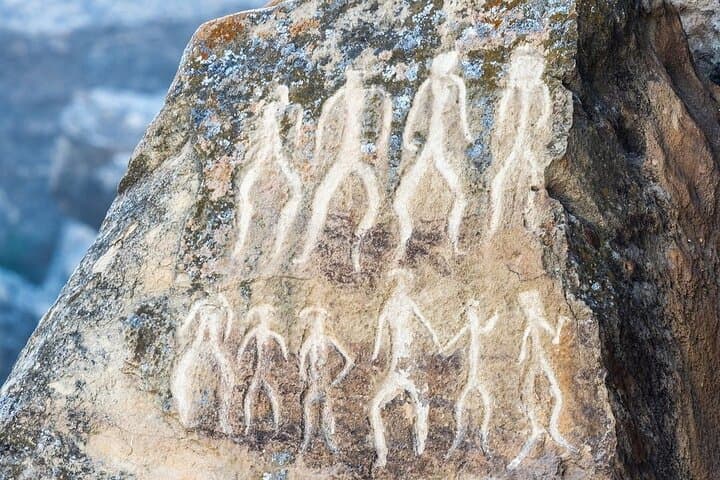
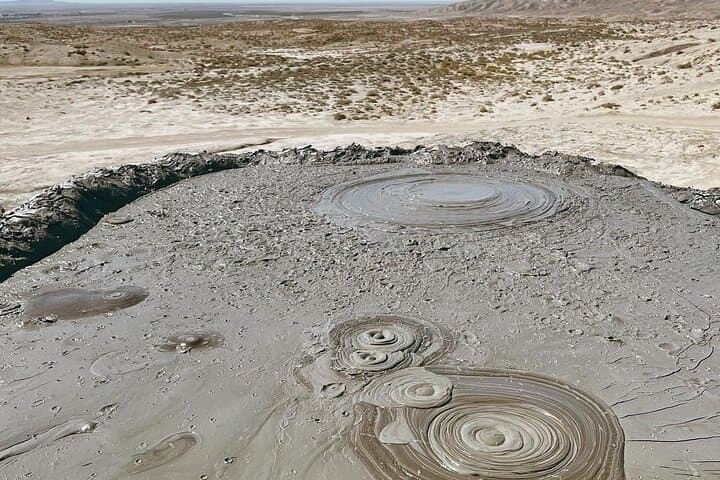
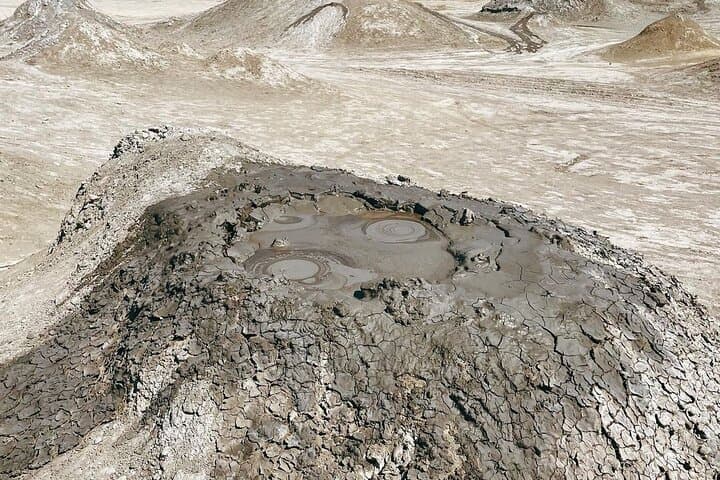
You step off the air-conditioned van and the land reads you like a book of slow, blunt sentences: cracked stone, salt-scratch winds, and a flat horizon that keeps pulling your eyes outward. The mud volcanoes gurgle like quiet machines, sending cone-shaped humps of grey earth and shimmering bubbles into the blue. Nearby, the rock faces of Gobustan seem to hold a different kind of fire—images of hunters, boats, and dancers carved deep enough to survive millennia.
Verified experiences and guided adventures in the surrounding area.
Operated by Azerbaijan Explorer · Gobustan, Baku
You step off the air-conditioned van and the land reads you like a book of slow, blunt sentences: cracked stone, salt-scratch winds, and a flat horizon that keeps pulling your eyes outward. The mud volcanoes gurgle like quiet machines, sending cone-shaped humps of grey earth and shimmering bubbles into the blue. Nearby, the rock faces of Gobustan seem to hold a different kind of fire—images of hunters, boats, and dancers carved deep enough to survive millennia.
Gobustan State Reserve preserves more than 6,000 petroglyphs, some dated between 5,000 and 20,000 years old. The panels are not decorative; they’re records of movement and ritual—boats for migration, animals for food, people for story. Geologically, the mud volcanoes and Yanar Dag (the ‘burning mountain’) are cousins: surface expressions of the Caspian basin’s hydrocarbon plumbing. Methane and heavier gases seep through faults, sometimes igniting into the continuous, low orange flames that make Yanar Dag glow even at midday.
The Ateshgah fire temple adds another historical layer. Built by traders and pilgrims from the Indian subcontinent in the 17th–18th centuries, its courtyard and cells mark a place where natural gas made flame a constant presence in ritual life. Today, the temple sits as a humble stone ring against scrubby fields—proof that culture and geology have long been in conversation here.
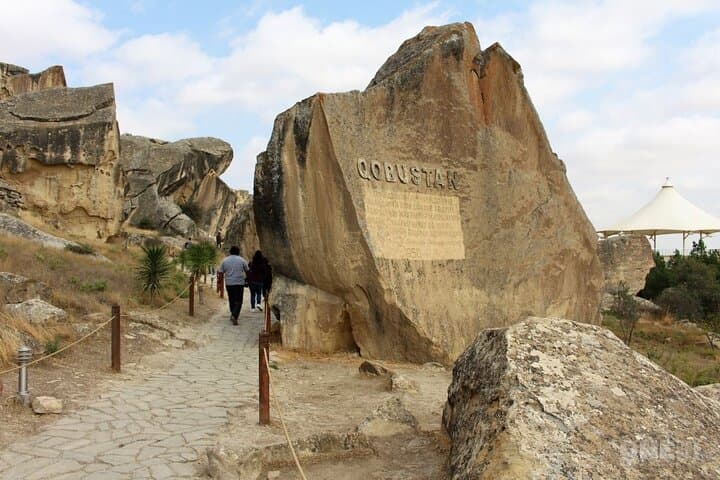
Practicalities: tours run from Baku and take roughly 8–9 hours including round-trip driving (expect 3–4 hours in the vehicle). Paths at Gobustan are short but uneven; petroglyph viewing involves short walks and metal walkways. Mud volcanoes are a field visit—watch your step, avoid wet cones, and keep cameras at the ready for bubbling bursts. At Yanar Dag, evenings offer the most dramatic light, while Ateshgah asks for respectful clothing and quiet inside the shrine.
Bring water and sun protection—there’s little shade. Cash helps if you opt for a local lunch at a roadside restaurant. English-speaking guides will explain the petroglyph iconography, the science of bubbling mud, and the social history of pilgrim routes along the Absheron peninsula. The land here doesn’t hurry; it reveals itself in close-looking and polite listening.
For travelers: time your visit for shoulder seasons to avoid summer heat and winter winds, pair the trip with a morning in Baku’s Old City, and give yourself an hour at Gobustan to read the rock stories. The day is equal parts geological classroom and human archive—raw, accessible, and quietly insistive that you slow down and look.
easy.
8–9 hours.
Suitable for most fitness levels; expect short walks on uneven terrain and several hours in a vehicle
The full-day tour lasts about 8–9 hours door-to-door, with roughly 3–4 hours total driving time.
Admission is typically not included on shared tours—confirm with the operator; bring small local currency for entrance and optional museum fees.
Yes—this itinerary is rated physically easy and includes short walks, but consider vehicle time and bring sun protection and snacks for younger or older travelers.
Yes; photography is allowed at most sites, but avoid flash on ancient rock art and be respectful inside Ateshgah.
Many tours provide English- and Russian-speaking guides; check the listing to confirm language availability.
Tipping is customary if you’re satisfied—10–15% of the tour cost split between guide and driver is a common guideline.
Gobustan’s petroglyphs chart human movement across the Caspian lowlands for millennia; Ateshgah reflects 17th–18th century pilgrimage and trade links with the Indian subcontinent.
Gobustan is a UNESCO site—stay on marked routes to prevent erosion and avoid touching petroglyphs; gas seep sites are fragile and can be damaged by off-trail traffic.
Azerbaijan Explorer operates guided outdoor trips and adventures with an emphasis on safety, stewardship, and memorable experiences.
You step off the air-conditioned van and the land reads you like a book of slow, blunt sentences: cracked stone, salt-scratch winds, and a flat horizon that keeps pulling your eyes outward. The mud volcanoes gurgle like quiet machines, sending cone-shaped humps of grey earth and shimmering bubbles into the blue. Nearby, the rock faces of Gobustan seem to hold a different kind of fire—images of hunters, boats, and dancers carved deep enough to survive millennia.
You step off the air-conditioned van and the land reads you like a book of slow, blunt sentences: cracked stone, salt-scratch winds, and a flat horizon that keeps pulling your eyes outward. The mud volcanoes gurgle like quiet machines, sending cone-shaped humps of grey earth and shimmering bubbles into the blue. Nearby, the rock faces of Gobustan seem to hold a different kind of fire—images of hunters, boats, and dancers carved deep enough to survive millennia.
Gobustan State Reserve preserves more than 6,000 petroglyphs, some dated between 5,000 and 20,000 years old. The panels are not decorative; they’re records of movement and ritual—boats for migration, animals for food, people for story. Geologically, the mud volcanoes and Yanar Dag (the ‘burning mountain’) are cousins: surface expressions of the Caspian basin’s hydrocarbon plumbing. Methane and heavier gases seep through faults, sometimes igniting into the continuous, low orange flames that make Yanar Dag glow even at midday.
The Ateshgah fire temple adds another historical layer. Built by traders and pilgrims from the Indian subcontinent in the 17th–18th centuries, its courtyard and cells mark a place where natural gas made flame a constant presence in ritual life. Today, the temple sits as a humble stone ring against scrubby fields—proof that culture and geology have long been in conversation here.
Practicalities: tours run from Baku and take roughly 8–9 hours including round-trip driving (expect 3–4 hours in the vehicle). Paths at Gobustan are short but uneven; petroglyph viewing involves short walks and metal walkways. Mud volcanoes are a field visit—watch your step, avoid wet cones, and keep cameras at the ready for bubbling bursts. At Yanar Dag, evenings offer the most dramatic light, while Ateshgah asks for respectful clothing and quiet inside the shrine.
Bring water and sun protection—there’s little shade. Cash helps if you opt for a local lunch at a roadside restaurant. English-speaking guides will explain the petroglyph iconography, the science of bubbling mud, and the social history of pilgrim routes along the Absheron peninsula. The land here doesn’t hurry; it reveals itself in close-looking and polite listening.
For travelers: time your visit for shoulder seasons to avoid summer heat and winter winds, pair the trip with a morning in Baku’s Old City, and give yourself an hour at Gobustan to read the rock stories. The day is equal parts geological classroom and human archive—raw, accessible, and quietly insistive that you slow down and look.