THE ADVENTURE COLLECTIVE® · Independent discovery and booking for outdoor travel

Walk among millennia-old petroglyphs and follow rugged gullies to seasonal waterfalls on this full-day Gobustan hike. Practical details, geology and what to pack for a long day outside Baku.
Walk among millennia-old petroglyphs and follow rugged gullies to seasonal waterfalls on this full-day Gobustan hike. Practical details, geology and what to pack for a long day outside Baku.
You step out of the air-conditioned van and the flat, wind-brushed plain opens like a page of ancient geography — low scrub, scorched limestone ribs and the raw faces of cliffs that hold human marks older than most nations.
Verified experiences and guided adventures in the surrounding area.
Operated by BackPack Azerbaijan · Gobustan, Gobustan District
You step out of the air-conditioned van and the flat, wind-brushed plain opens like a page of ancient geography — low scrub, scorched limestone ribs and the raw faces of cliffs that hold human marks older than most nations.
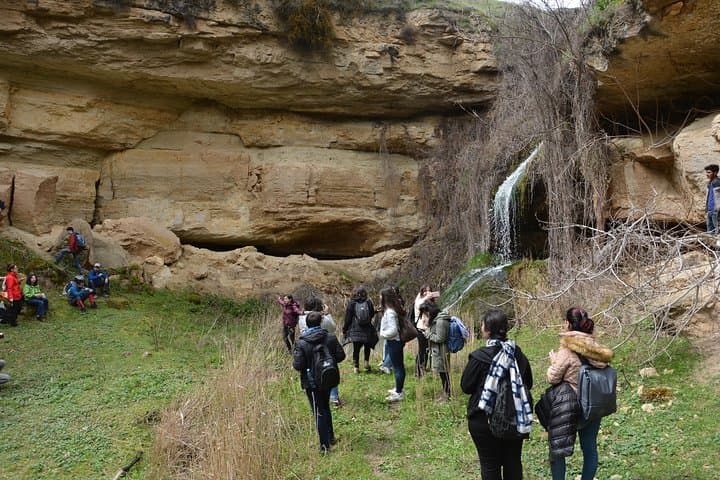
This full-day hike into Gobustan (Qobustan) moves between petroglyph-carved caves and small, seasonal waterfalls. The rock art here records millennia of life on the Caspian fringe: hunters, boats and horned animals etched into volcanic stone. Geologically, the area is a mix of compacted ash, tufa and basalt flows with nearby mud volcanoes that occasionally burp slow, grey mounds — a reminder of tectonic restlessness beneath the plain.
Culturally, the site sits within Azerbaijan’s long chain of steppe settlements; guides point out stylistic details that help date carvings from the Neolithic through the Bronze Age. Expect wind-swept, panoramic slopes punctuated by sheltered cave mouths where people once sheltered and painted.
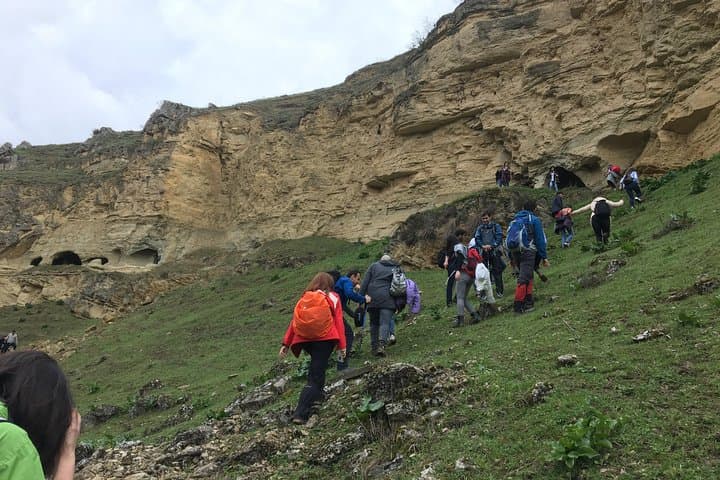
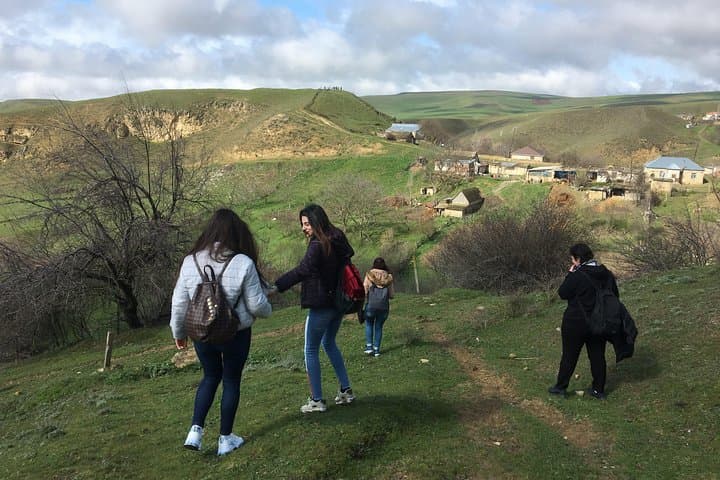
Practically, the outing runs about 7–9 hours total (including transfers). Trails are uneven — loose stones, short steep pitches and wet patches near waterfalls — so sturdy footwear and steady footing matter. Bring 2–3 liters of water, sun protection, and layers for wind and shade; mornings are best for softer light on petroglyphs and cooler walking. Guides typically cover interpretation and leave time for photography; follow marked routes to protect rock art and fragile soils. If you want quieter moments, ask to linger at lesser-visited panels away from main viewpoints.
moderate.
7–9 hours.
Moderate fitness required: comfortable walking 6–10 km across uneven, sometimes steep terrain; able to handle multiple hours on foot.
The full experience including transfers is about 7–9 hours, with 4–6 hours of on-foot exploration; expect uneven trails and short climbs — rated moderate.
Yes — the tour includes air-conditioned transportation, a professional guide, breakfast and dinner as noted in the itinerary.
Guides bring you close enough to see details, but touching is prohibited and some panels are viewed from a short distance to protect the rock art.
Not recommended for those with significant mobility limitations or severe back/heart conditions; children who can hike several hours and handle uneven ground can participate with supervision.
Gobustan’s rock art spans thousands of years, with panels attributed to hunter-gatherer communities from the Paleolithic through the Bronze Age and recognized by UNESCO.
The site is protected and visitor routes are managed to limit wear on petroglyphs; stay on trails, avoid touching carvings and follow local guide instructions to minimize impact.
BackPack Azerbaijan operates guided outdoor trips and adventures with an emphasis on safety, stewardship, and memorable experiences.
You step out of the air-conditioned van and the flat, wind-brushed plain opens like a page of ancient geography — low scrub, scorched limestone ribs and the raw faces of cliffs that hold human marks older than most nations.
You step out of the air-conditioned van and the flat, wind-brushed plain opens like a page of ancient geography — low scrub, scorched limestone ribs and the raw faces of cliffs that hold human marks older than most nations.
This full-day hike into Gobustan (Qobustan) moves between petroglyph-carved caves and small, seasonal waterfalls. The rock art here records millennia of life on the Caspian fringe: hunters, boats and horned animals etched into volcanic stone. Geologically, the area is a mix of compacted ash, tufa and basalt flows with nearby mud volcanoes that occasionally burp slow, grey mounds — a reminder of tectonic restlessness beneath the plain.
Culturally, the site sits within Azerbaijan’s long chain of steppe settlements; guides point out stylistic details that help date carvings from the Neolithic through the Bronze Age. Expect wind-swept, panoramic slopes punctuated by sheltered cave mouths where people once sheltered and painted.
Practically, the outing runs about 7–9 hours total (including transfers). Trails are uneven — loose stones, short steep pitches and wet patches near waterfalls — so sturdy footwear and steady footing matter. Bring 2–3 liters of water, sun protection, and layers for wind and shade; mornings are best for softer light on petroglyphs and cooler walking. Guides typically cover interpretation and leave time for photography; follow marked routes to protect rock art and fragile soils. If you want quieter moments, ask to linger at lesser-visited panels away from main viewpoints.