THE ADVENTURE COLLECTIVE® · Independent discovery and booking for outdoor travel

A nine-day overland route from Ulaanbaatar across the Gobi that pairs dramatic geology with nomadic culture. Expect dunes, canyons, fossils, and long gravel drives with nights in camps and local guesthouses.
A nine-day overland route from Ulaanbaatar across the Gobi that pairs dramatic geology with nomadic culture. Expect dunes, canyons, fossils, and long gravel drives with nights in camps and local guesthouses.
The first morning light hits Ulaanbaatar and the road to the Gobi opens like a promise — wide, dusty, and honest. Within hours the city falls away and the landscape begins to speak: granite ribs at Baga Gazriin Chuluu, the mushroom-capped White Stupa, a gorge where ice clings in summer shade, and the wind-sculpted Khongor sand sea that seems to breathe.
Verified experiences and guided adventures in the surrounding area.
Operated by Nomaad travel · Ulaanbaatar, Ömnögovi Province
The first morning light hits Ulaanbaatar and the road to the Gobi opens like a promise — wide, dusty, and honest. Within hours the city falls away and the landscape begins to speak: granite ribs at Baga Gazriin Chuluu, the mushroom-capped White Stupa, a gorge where ice clings in summer shade, and the wind-sculpted Khongor sand sea that seems to breathe.
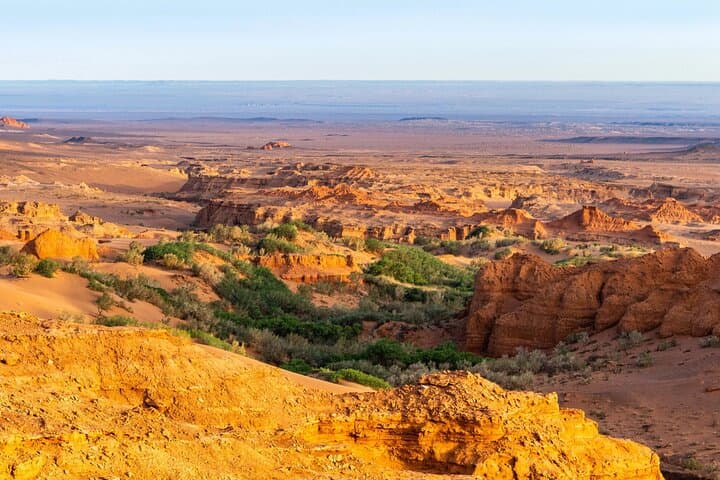
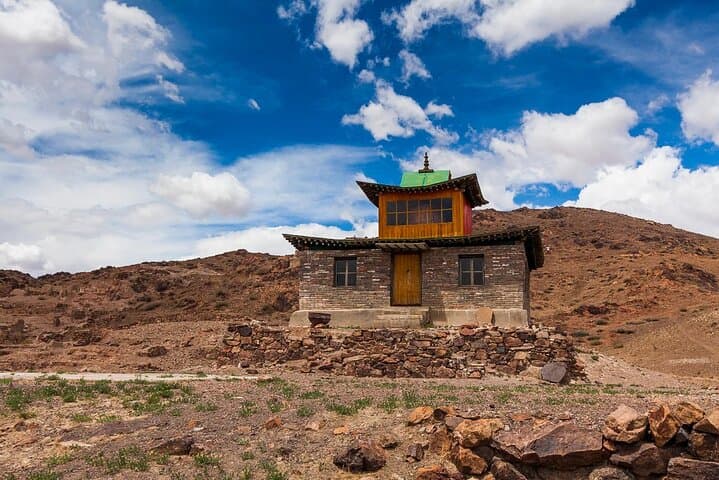
This nine-day circuit threads geology and history. Bayanzag’s Flaming Cliffs reveal Cretaceous red layers that once sheltered dinosaurs; Kharkhorin recalls the ebb and flow of the Mongol Empire; Ongi’s monastery ruins tell of a spiritual network broken and rebuilt. The Gobi’s bedrock is largely granite and sandstone, interrupted by alluvial plains and dunes — a raw classroom of earth processes.
Culture arrives in camps: nomadic ger hospitality, shared meals, and tracks left by herders and camels. Wildlife here is discreet — argali sheep and desert foxes appear on patient mornings; birds ride thermal drafts.
Practical side: expect long drives on gravel, short hikes at moderate altitude, and nights at local guesthouses or camps near dunes and canyons. Pack layers for hot days and cold nights, bring at least 3 liters of water per day, and plan for dusty conditions that favor sturdy boots and sealed bags. Opt for early starts to avoid midday heat at Khongor and to catch Yol Canyon’s light.
This itinerary balances cultural stops, paleontological highlights, and varied terrain — an accessible, immersive passage through one of Asia’s most elemental deserts.
moderate.
9 days.
Moderate fitness recommended — able to handle several hours of walking on uneven terrain and long vehicle transfers.
Late spring through early autumn (May–September) offers milder conditions; summer is hottest while spring and fall have cooler nights.
The tour involves long vehicle transfers with short to moderate hikes — it’s suitable for travelers in average fitness who can walk on uneven ground.
A mix of local guesthouses, basic camping or glamping-style tents, and simple lodgings near major sites such as Khongor and Flaming Cliffs.
Vehicles are typically 4x4 vans with limited trunk space; pack compactly and use soft bags rather than rigid suitcases when possible.
The Gobi has long been a corridor for nomadic empires; Kharkhorin near the itinerary was once the Mongol capital and trade hub on inland routes.
This fragile desert recovers slowly from disturbance — stick to established tracks, minimize campfire impact, and pack out waste to protect sparse vegetation and archeological sites.
Nomaad travel operates guided outdoor trips and adventures with an emphasis on safety, stewardship, and memorable experiences.
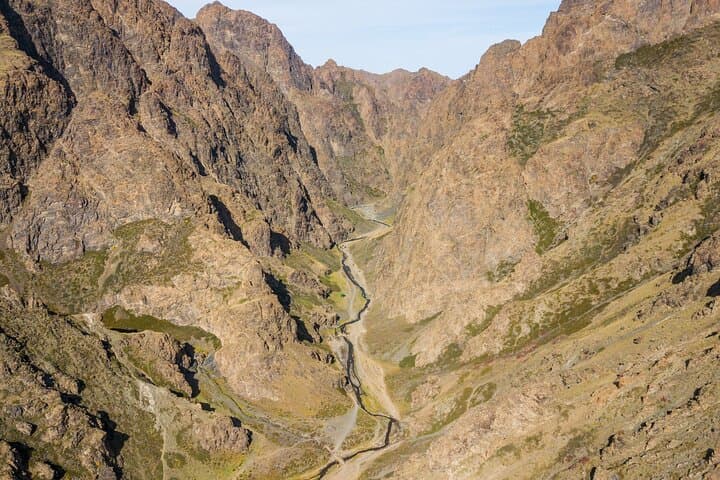
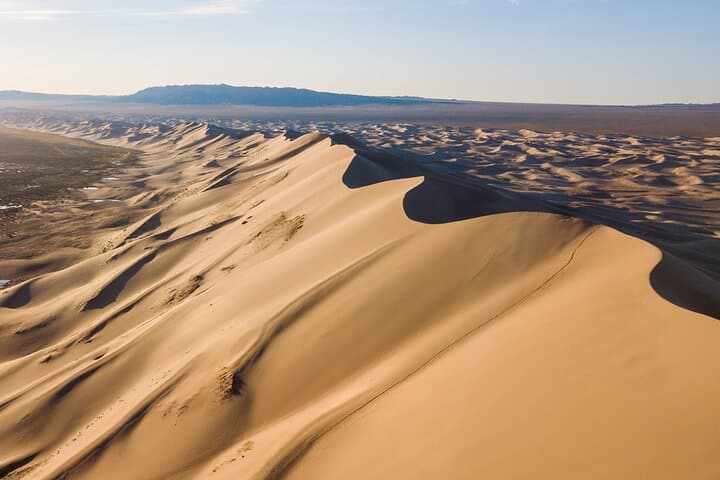
The first morning light hits Ulaanbaatar and the road to the Gobi opens like a promise — wide, dusty, and honest. Within hours the city falls away and the landscape begins to speak: granite ribs at Baga Gazriin Chuluu, the mushroom-capped White Stupa, a gorge where ice clings in summer shade, and the wind-sculpted Khongor sand sea that seems to breathe.
The first morning light hits Ulaanbaatar and the road to the Gobi opens like a promise — wide, dusty, and honest. Within hours the city falls away and the landscape begins to speak: granite ribs at Baga Gazriin Chuluu, the mushroom-capped White Stupa, a gorge where ice clings in summer shade, and the wind-sculpted Khongor sand sea that seems to breathe.
This nine-day circuit threads geology and history. Bayanzag’s Flaming Cliffs reveal Cretaceous red layers that once sheltered dinosaurs; Kharkhorin recalls the ebb and flow of the Mongol Empire; Ongi’s monastery ruins tell of a spiritual network broken and rebuilt. The Gobi’s bedrock is largely granite and sandstone, interrupted by alluvial plains and dunes — a raw classroom of earth processes.
Culture arrives in camps: nomadic ger hospitality, shared meals, and tracks left by herders and camels. Wildlife here is discreet — argali sheep and desert foxes appear on patient mornings; birds ride thermal drafts.
Practical side: expect long drives on gravel, short hikes at moderate altitude, and nights at local guesthouses or camps near dunes and canyons. Pack layers for hot days and cold nights, bring at least 3 liters of water per day, and plan for dusty conditions that favor sturdy boots and sealed bags. Opt for early starts to avoid midday heat at Khongor and to catch Yol Canyon’s light.
This itinerary balances cultural stops, paleontological highlights, and varied terrain — an accessible, immersive passage through one of Asia’s most elemental deserts.