THE ADVENTURE COLLECTIVE® · Independent discovery and booking for outdoor travel

Traverse Mongolia’s Gobi and Eight Lakes on a 17-day overland and trekking journey that mixes dune walks, canyon hikes, ancient ruins and nights in family yurts. Expect long drives, short to full trekking days, camels and yaks to carry gear, and authentic nomadic hospitality.
Traverse Mongolia’s Gobi and Eight Lakes on a 17-day overland and trekking journey that mixes dune walks, canyon hikes, ancient ruins and nights in family yurts. Expect long drives, short to full trekking days, camels and yaks to carry gear, and authentic nomadic hospitality.
Book with Traveling to Mongolia
Book directly with Traveling to Mongolia for the best rates and real-time scheduling.
Reserve NowVerified experiences and guided adventures in the surrounding area.
Operated by Traveling to Mongolia · Ulaanbaatar, Ulaanbaatar
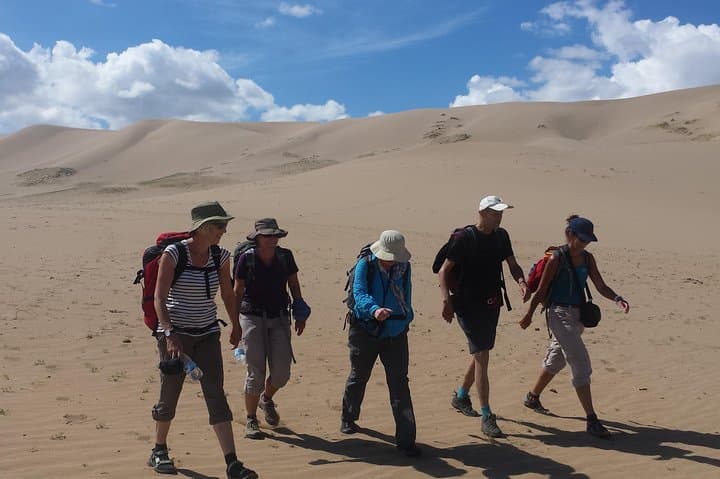
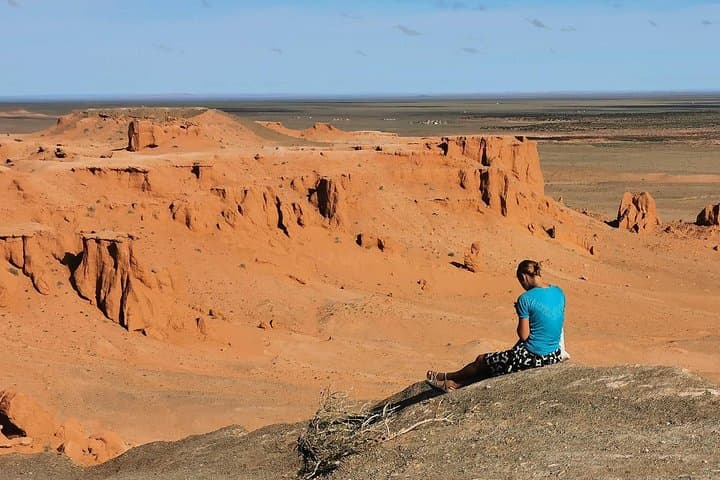
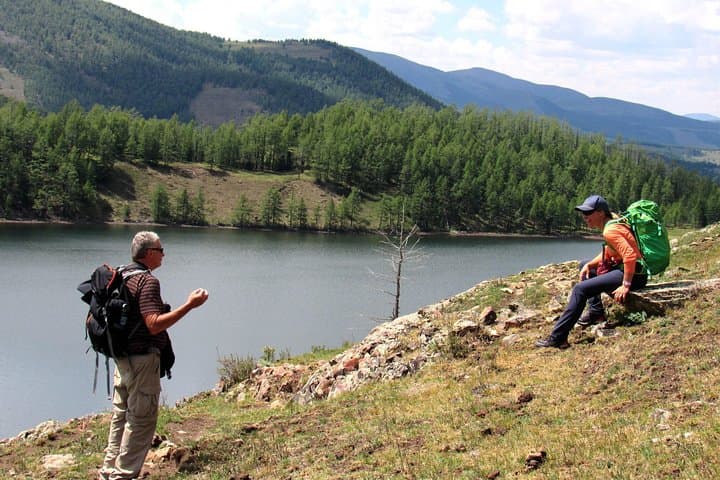
Dawn spills cold light across a broad, wind-sculpted ridge as camels stand patient like slow-moving sentinels. You shoulder a daypack, hear boots sink into soft sand, and a minivan becomes a moving window across steppe, cliffs and lakes — this is the rhythm of a combined trekking and driving route through Mongolia’s Gobi and Eight Lakes region.
challenging.
16–17 days.
Good to excellent cardiovascular fitness and prior multi-day hiking experience recommended; heavy pack carrying is minimized by animals but expect long walking days and uneven terrain.
Yes — camels and yaks are used to transport group luggage during the Gobi dune trekking sections; participants typically carry just a daypack.
Meals listed include breakfast, lunch and dinner; many meals are prepared by guides or local hosts and may feature traditional Mongolian dishes.
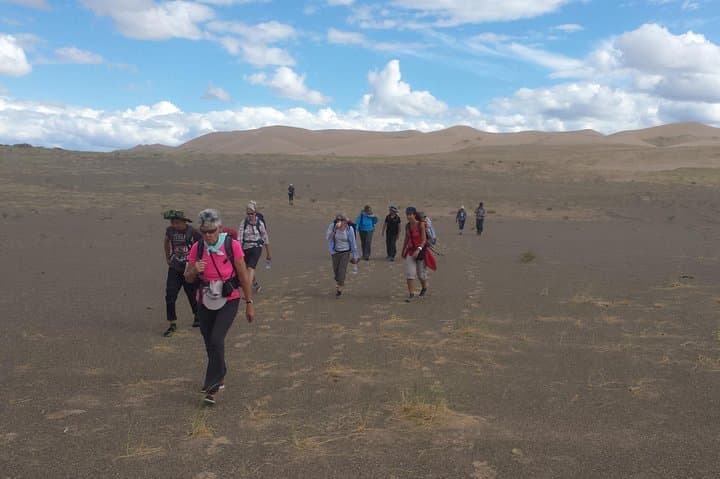
High fitness is recommended: several trekking days range from 3–8 hours over sand, gravel and gentle ascents; participants should be comfortable with back-to-back active days.
Accommodations alternate between family spare yurts, basic hotels with shared facilities, tented camps and dedicated yurt camps—comfort is rustic and local.
Kharkhorin (Karakorum) and Erdenezuu monastery mark Mongolia’s imperial era, while Ongi’s ruined monastery reflects the Soviet-era purges that reshaped religious life in the region.
The Gobi’s fragile vegetation and oases recover slowly from foot and vehicle traffic; choose operators who use local animals for transport and follow leave-no-trace practices to minimize impact.
Traveling to Mongolia operates guided outdoor trips and adventures with an emphasis on safety, stewardship, and memorable experiences.
Book with Traveling to Mongolia
Book directly with Traveling to Mongolia for the best rates and real-time scheduling.
Reserve Now