THE ADVENTURE COLLECTIVE® · Independent discovery and booking for outdoor travel

An eight-day 4WD route through Mongolia’s Gobi links tsagaan cliffs, ice-held canyons, singing sand dunes, and dinosaur-rich red rock. This guide outlines what to expect each day, the landscape’s geology and culture, and practical tips for traveling remote desert roads.
An eight-day 4WD route through Mongolia’s Gobi links tsagaan cliffs, ice-held canyons, singing sand dunes, and dinosaur-rich red rock. This guide outlines what to expect each day, the landscape’s geology and culture, and practical tips for traveling remote desert roads.
Wind scours the open plain and the 4x4 hums along an endless ribbon of gravel as the Gobi opens up—red sandstone cliffs to one side, a wall of sand rising like an ocean to the other. On day one you leave Ulaanbaatar’s low skyline and commit to the long, spectacular spaces that define southern Mongolia.
Verified experiences and guided adventures in the surrounding area.
Operated by Serene Mongolia Tour · Ulaanbaatar, Ulaanbaatar
Wind scours the open plain and the 4x4 hums along an endless ribbon of gravel as the Gobi opens up—red sandstone cliffs to one side, a wall of sand rising like an ocean to the other. On day one you leave Ulaanbaatar’s low skyline and commit to the long, spectacular spaces that define southern Mongolia.
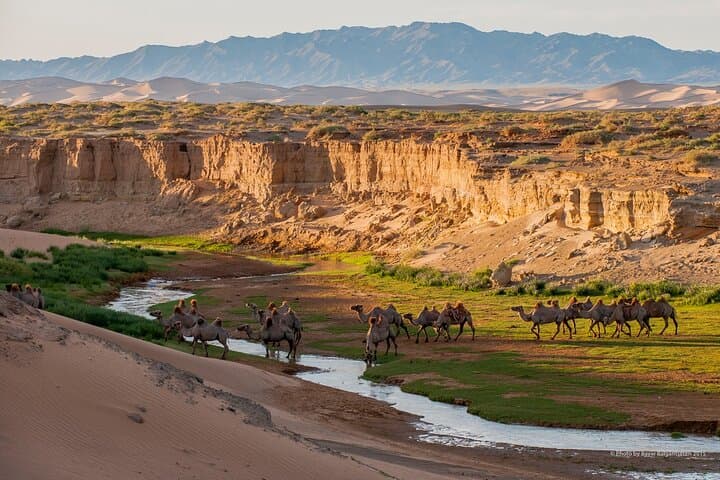
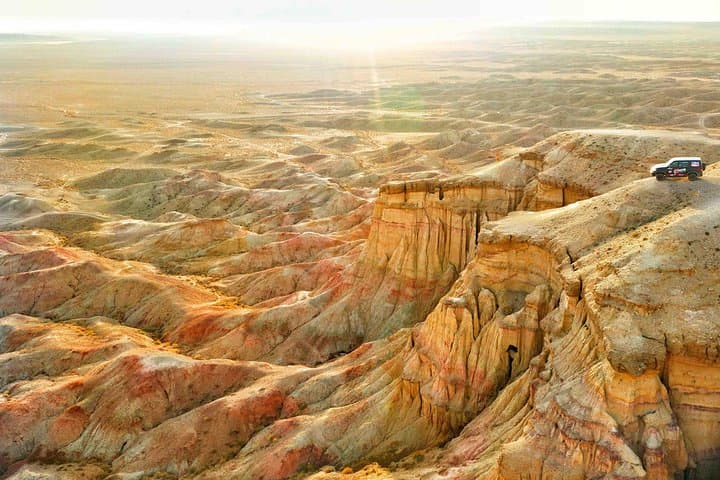
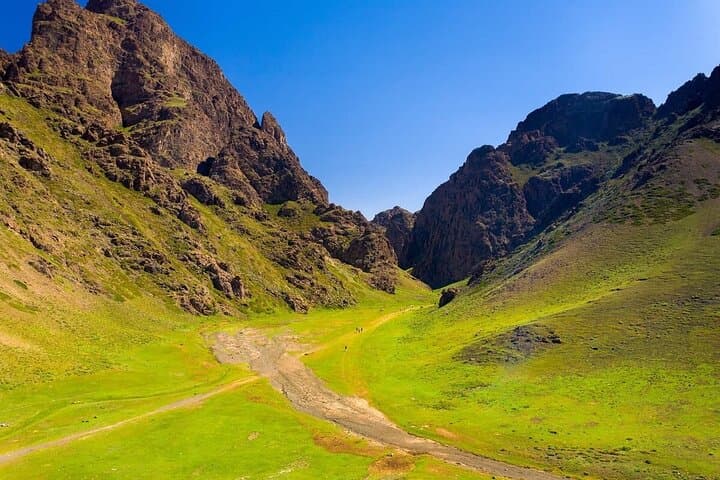
Geology here reads like a field guide: Tsagaan Suvarga’s 60 m layered escarpments are ancient seabed deposits oxidized into bands of color; Bayanzag’s Flaming Cliffs preserve the first dinosaur eggs ever found; Yolyn Am cuts a cool, ice-holding cleft through the Gurvansaikhan range. Culturally, the route threads nomadic life, from restored monasteries at Ongi and Erdene Zuu to evenings in ger camps where horses and camel caravans remain part of daily rhythm.
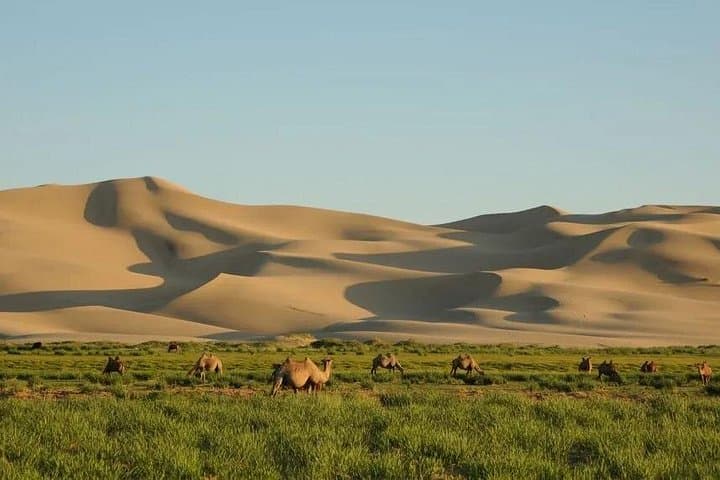
Expect long drives between highlights—several hours each day—and short, rewarding hikes: a cliff-side scramble at Tsagaan Suvarga, a canyon walk in Yolyn Am, and a climb up Khongor’s singing dunes (up to ~300 m high) for sunset. Guides usually provide ger stays, meals, and transfers; activities include camel treks and brief horse rides with minimal technical skill required.
Practical tips: pack layered clothing for large diurnal swings, sun protection, and at least 3–4 liters of water per person for day excursions. Footwear should handle sand and scree. Plan arrival and departure through Ulaanbaatar, and allow buffer time for unpaved roads and weather delays—this is remote travel where flexibility pays dividends.
moderate.
8 days.
Good general fitness for multi-day travel, dune climbs, short hikes, and brief horse/camel rides; able to sit through long vehicle transfers.
Expect limited or no cell coverage for large stretches; guides carry satellite-capable communication for emergencies but plan for offline navigation and downloads.
Ger camps typically offer basic private gers with beds; heating is provided seasonally (stoves) but facilities are simple, so bring warm layers for night.
Yes—horse and camel rides are optional; most sites are reachable on foot or by vehicle, though riding enhances the experience.
Yes—viewing and guided explanation are safe, but removing fossils is illegal and harms scientific value; follow guide instructions and stay on paths.
Bayanzag (Flaming Cliffs) became world-famous after early 20th-century paleontological finds of dinosaur eggs; Kharkhorin sits near Karakorum, the Mongol Empire’s medieval capital.
The Gobi’s fragile soils and rare fossils need protection—stick to trails, do not collect specimens, and minimize campfire and waste impacts.
Serene Mongolia Tour operates guided outdoor trips and adventures with an emphasis on safety, stewardship, and memorable experiences.
Wind scours the open plain and the 4x4 hums along an endless ribbon of gravel as the Gobi opens up—red sandstone cliffs to one side, a wall of sand rising like an ocean to the other. On day one you leave Ulaanbaatar’s low skyline and commit to the long, spectacular spaces that define southern Mongolia.
Wind scours the open plain and the 4x4 hums along an endless ribbon of gravel as the Gobi opens up—red sandstone cliffs to one side, a wall of sand rising like an ocean to the other. On day one you leave Ulaanbaatar’s low skyline and commit to the long, spectacular spaces that define southern Mongolia.
Geology here reads like a field guide: Tsagaan Suvarga’s 60 m layered escarpments are ancient seabed deposits oxidized into bands of color; Bayanzag’s Flaming Cliffs preserve the first dinosaur eggs ever found; Yolyn Am cuts a cool, ice-holding cleft through the Gurvansaikhan range. Culturally, the route threads nomadic life, from restored monasteries at Ongi and Erdene Zuu to evenings in ger camps where horses and camel caravans remain part of daily rhythm.
Expect long drives between highlights—several hours each day—and short, rewarding hikes: a cliff-side scramble at Tsagaan Suvarga, a canyon walk in Yolyn Am, and a climb up Khongor’s singing dunes (up to ~300 m high) for sunset. Guides usually provide ger stays, meals, and transfers; activities include camel treks and brief horse rides with minimal technical skill required.
Practical tips: pack layered clothing for large diurnal swings, sun protection, and at least 3–4 liters of water per person for day excursions. Footwear should handle sand and scree. Plan arrival and departure through Ulaanbaatar, and allow buffer time for unpaved roads and weather delays—this is remote travel where flexibility pays dividends.