
Gobi and Grassland Mongolia: 8-Day Khongoryn Els, Yol Valley & Terelj Adventure
Cross the Gobi’s “singing” dunes, hike a canyon that holds winter ice, and spend nights in nomad homestays on an 8-day circuit through Mongolia’s southern deserts and northern grasslands. This trip blends geological spectacle with hands-on cultural exchange and practical, private transport between sites.
An Adventure In Ulaanbaatar.
Cross the Gobi’s “singing” dunes, hike a canyon that holds winter ice, and spend nights in nomad homestays on an 8-day circuit through Mongolia’s southern deserts and northern grasslands. This trip blends geological spectacle with hands-on cultural exchange and practical, private transport between sites.
Read the full experience
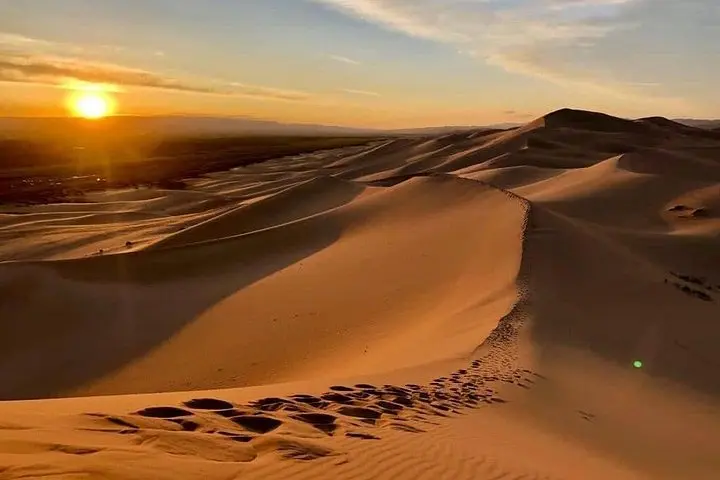
You wake before dawn in a ger to a sky the color of river-washed metal and the soft hiss of a camp stove. Outside, dunes stand like a city under construction—Khongoryn Els’ ridges shifting by the hour as wind rearranges their sharp silhouettes. Over eight days, that first breath of desert becomes a theme: landscape as living thing, moving and insisting you slow down to watch.
You wake before dawn in a ger to a sky the color of river-washed metal and the soft hiss of a camp stove. Outside, dunes stand like a city under construction—Khongoryn Els’ ridges shifting by the hour as wind rearranges their sharp silhouettes. Over eight days, that first breath of desert becomes a theme: landscape as living thing, moving and insisting you slow down to watch.
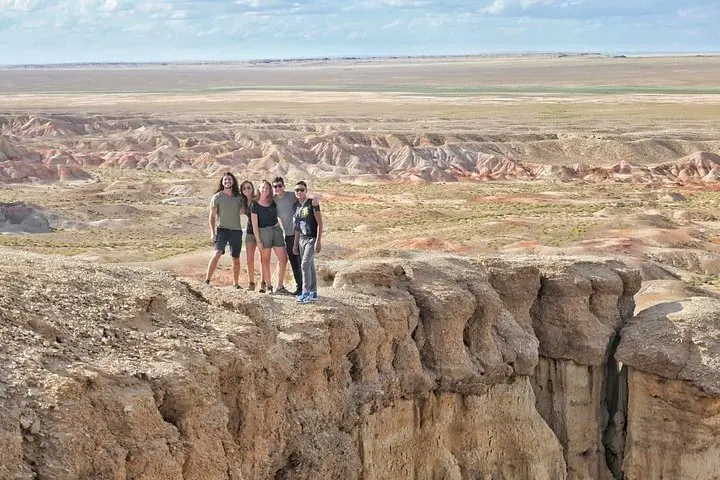
This route threads through the southern spine of Mongolia—the Gobi Gurvan Saikhan mountains, the narrow, ice-slick throat of Yoliin Am, and the white, scalloped cliffs of Tsagaan Suvarga—before sweeping north into green pastures and the pine-edged valleys of Terelj. Geology reads like a library here: wind-carved limestones at Tsagaan Suvarga, sedimentary layers at Bayanzag (the Flaming Cliffs) where Roy Chapman Andrews’ 1920s expeditions uncovered dinosaur eggs, and the dune sea at Khongoryn Els that stores winds and emits the low “song” when grains slide.
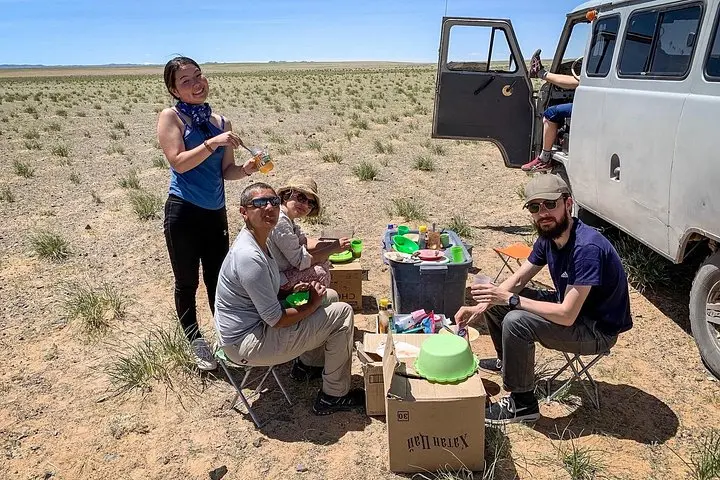
Culture is immediate. You share a meal in a nomad homestay, sip salty tea in a family ger, and learn how one household can pack a winter’s life into a cart. Guides like Undral—born local, a translator of language and landscape—anchor the trip in practical safety and stories: Bronze Age rock carvings, Soviet-era grazing policy, and how herders read weather in cloud edges and sheep fat.
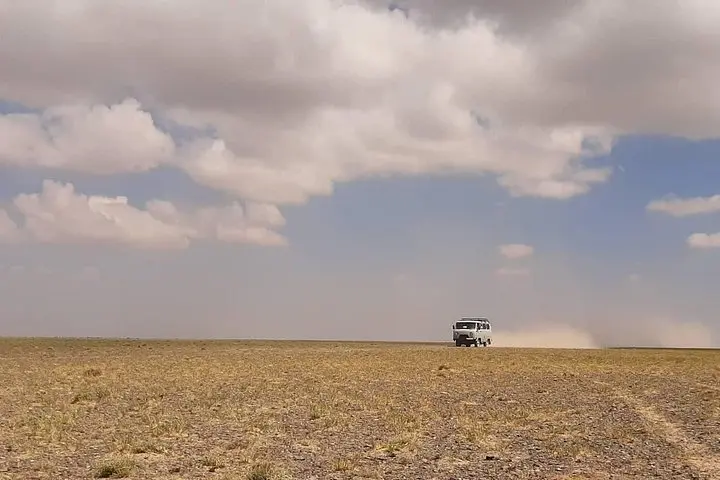
Expect long drives: several days require 4–6 hours on gravel or dirt between highlights, with the occasional hour of hiking into a canyon or up a dune (Khongoryn Els climbs are steep on soft sand; plan 30–60 minutes for a summit push). Elevations vary—Baga Gazarin Chuluu sits around 1,751 m—so nights at camps and homestays are welcome respites. Terrain alternates dunes, scrubby steppe, narrow canyons, and mountain meadows; vehicle transfers are in private 4x4 transport with gear provided for camping nights.
Practical rhythm matters. Carry layers for wide diurnal swings—sunny, hot afternoons can flip to near-freezing mornings. Hydrate; water access between towns can be limited. Bring cash for small purchases in remote settlements and pack sun protection and a headlamp for early starts. If you want quieter photos, wake for sunrise at Bayanzag and Khongoryn’s crest; for birds and the canyon’s ice, mid-morning in Yol Valley is best.
This is not a wilderness survival test but an immersion: the Gobi asks for patience, respect for nomadic culture, and a willingness to trade miles for moments—an 8-day loop that moves from desert silence into the open friendliness of Mongolia’s grassland heart.
Frequently asked questions
Moderate—most days involve a few hours of walking or short climbs on sand and rock; the longer challenge is multi-hour vehicle transfers between sites.
Nights alternate between tourist camps and nomad homestays (gers); expect basic but clean facilities with communal meals and shared toilets at camps.
Late spring through early fall (May–September) offers milder weather and open roads; July–August is warmest but busier.
Coverage is intermittent outside towns; camps and homestays may offer limited Wi‑Fi—plan for offline maps and communication.
Families with older children who can handle long drives and basic accommodations will be fine; infants require extra planning and may need to sit on laps in vehicles.
Guides are experienced, and private transport reduces risk, but remote stretches mean longer emergency response times—bring a personal first-aid kit and any prescription medicines.
About This Experience
Woodpecker's tours operates guided outdoor trips and adventures with an emphasis on safety, stewardship, and memorable experiences.
Adventure tips
Recommended gear
- Sturdy hiking boots: Support and traction for rocky canyons and uneven trails into sites like Yoliin Am.
- Layered clothing (base, insulating, wind shell): Protects against daytime heat and cold desert nights.
- Sun protection (hat, sunglasses, SPF 30+): Strong UV at altitude and on open steppe requires reliable protection.
- Daypack with water bladder: Keeps hydration, camera, and layers accessible during hikes and dune walks.
Photos of the experience
Related adventures & guides
Read the full experience
You wake before dawn in a ger to a sky the color of river-washed metal and the soft hiss of a camp stove. Outside, dunes stand like a city under construction—Khongoryn Els’ ridges shifting by the hour as wind rearranges their sharp silhouettes. Over eight days, that first breath of desert becomes a theme: landscape as living thing, moving and insisting you slow down to watch.
You wake before dawn in a ger to a sky the color of river-washed metal and the soft hiss of a camp stove. Outside, dunes stand like a city under construction—Khongoryn Els’ ridges shifting by the hour as wind rearranges their sharp silhouettes. Over eight days, that first breath of desert becomes a theme: landscape as living thing, moving and insisting you slow down to watch.
This route threads through the southern spine of Mongolia—the Gobi Gurvan Saikhan mountains, the narrow, ice-slick throat of Yoliin Am, and the white, scalloped cliffs of Tsagaan Suvarga—before sweeping north into green pastures and the pine-edged valleys of Terelj. Geology reads like a library here: wind-carved limestones at Tsagaan Suvarga, sedimentary layers at Bayanzag (the Flaming Cliffs) where Roy Chapman Andrews’ 1920s expeditions uncovered dinosaur eggs, and the dune sea at Khongoryn Els that stores winds and emits the low “song” when grains slide.
Culture is immediate. You share a meal in a nomad homestay, sip salty tea in a family ger, and learn how one household can pack a winter’s life into a cart. Guides like Undral—born local, a translator of language and landscape—anchor the trip in practical safety and stories: Bronze Age rock carvings, Soviet-era grazing policy, and how herders read weather in cloud edges and sheep fat.
Expect long drives: several days require 4–6 hours on gravel or dirt between highlights, with the occasional hour of hiking into a canyon or up a dune (Khongoryn Els climbs are steep on soft sand; plan 30–60 minutes for a summit push). Elevations vary—Baga Gazarin Chuluu sits around 1,751 m—so nights at camps and homestays are welcome respites. Terrain alternates dunes, scrubby steppe, narrow canyons, and mountain meadows; vehicle transfers are in private 4x4 transport with gear provided for camping nights.
Practical rhythm matters. Carry layers for wide diurnal swings—sunny, hot afternoons can flip to near-freezing mornings. Hydrate; water access between towns can be limited. Bring cash for small purchases in remote settlements and pack sun protection and a headlamp for early starts. If you want quieter photos, wake for sunrise at Bayanzag and Khongoryn’s crest; for birds and the canyon’s ice, mid-morning in Yol Valley is best.
This is not a wilderness survival test but an immersion: the Gobi asks for patience, respect for nomadic culture, and a willingness to trade miles for moments—an 8-day loop that moves from desert silence into the open friendliness of Mongolia’s grassland heart.
Make a day of it nearby.
Verified experiences and guided adventures in the surrounding area.