THE ADVENTURE COLLECTIVE® · Independent discovery and booking for outdoor travel

Spend two days tracing humanity’s oldest monumental architecture from Istanbul to Şanlıurfa. This private, all-inclusive tour pairs Göbekli Tepe’s 12,000-year-old enclosures with Harran’s beehive houses and local cultural experiences.
Spend two days tracing humanity’s oldest monumental architecture from Istanbul to Şanlıurfa. This private, all-inclusive tour pairs Göbekli Tepe’s 12,000-year-old enclosures with Harran’s beehive houses and local cultural experiences.
Dawn in Şanlıurfa feels deliberate — the city opens slowly, market calls layering over the occasional motorbike, and a small plane from Istanbul brings you into a landscape that has been lived on for 12,000 years. This two-day private tour puts you on a low limestone ridge fifteen kilometers northeast of the city where Göbekli Tepe’s carved pillars rise from packed-earth enclosures. Walk the short, level paths between excavated circles and imagine the first monumental architecture on earth: T-shaped stelae and bas-relief animals that predate pottery and settled agriculture.
Verified experiences and guided adventures in the surrounding area.
Operated by Bien Cappadocia Travel · Şanlıurfa, Şanlıurfa Province
Dawn in Şanlıurfa feels deliberate — the city opens slowly, market calls layering over the occasional motorbike, and a small plane from Istanbul brings you into a landscape that has been lived on for 12,000 years. This two-day private tour puts you on a low limestone ridge fifteen kilometers northeast of the city where Göbekli Tepe’s carved pillars rise from packed-earth enclosures. Walk the short, level paths between excavated circles and imagine the first monumental architecture on earth: T-shaped stelae and bas-relief animals that predate pottery and settled agriculture.
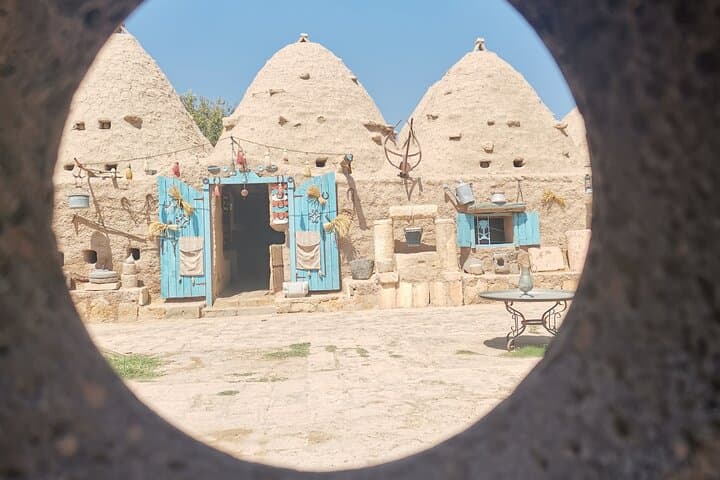
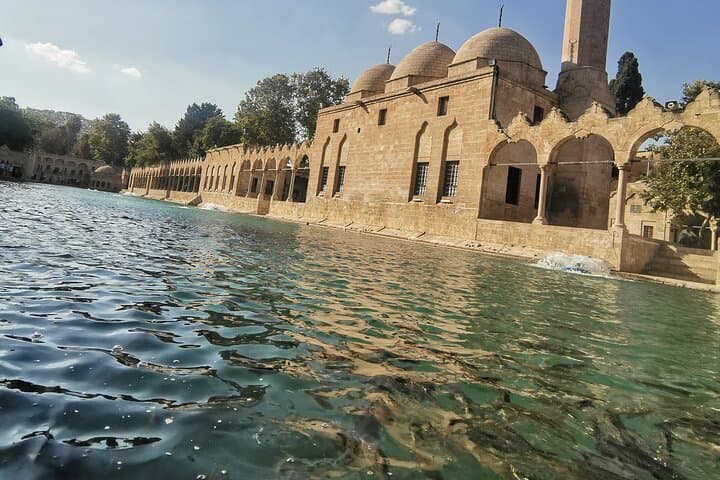
The region reads like a condensed history of the Near East. Şanlıurfa town dates through Hittite, Assyrian and Roman periods; nearby Harran preserves its beehive houses and echoes of medieval caravans. Karahantepe and the Taş Tepeler cluster extend the story—250 carved obelisks and anthropomorphic figures that suggest a shared ritual landscape across shallow ridges. Local culture blends Kurdish, Arab and Turkish influences; bazaars pulse with red pepper, okra and pistachio-sweet pastries, while evening Sıra Nights offer communal music and plain-spoken hospitality.
Practically: the tour is low-impact walking on compacted dirt and paved alleys, suitable for most fitness levels. Expect short transfers by private vehicle between sites, light onsite walking (15–45 minutes), and museum visits with shaded areas. Bring sun protection, comfortable walking shoes, and a light layer for early-morning flights. Plan for modest weather swings and carry cash for market purchases. With guided context at every stop, the itinerary turns stones and pottery into a readable human story — accessible, sensory, and historically disruptive.
easy.
2 days.
Suitable for most travelers with basic mobility; involves short, mostly flat walks and brief studio-level climbs.
The site is about 15 km northeast of central Şanlıurfa; transfers typically take 20–30 minutes by private vehicle.
Yes—walking is short and level; the tour is described as suitable for all fitness levels, though some museum visits involve steps.
Yes; the itinerary includes hotel stay in Şanlıurfa and meals as listed (breakfast, lunch, dinner where specified).
International travelers need a valid passport; domestic flights require ID and passport details for booking—check your nationality’s visa rules for Turkey before travel.
Göbekli Tepe dates to roughly 10,000 BC and rewrote the timeline of monumental construction, showing complex ritual sites before widespread farming.
Ongoing excavation and protective shelters aim to stabilize exposed structures; visitors are asked to stay on paths and follow guide instructions to minimize damage.
Bien Cappadocia Travel operates guided outdoor trips and adventures with an emphasis on safety, stewardship, and memorable experiences.
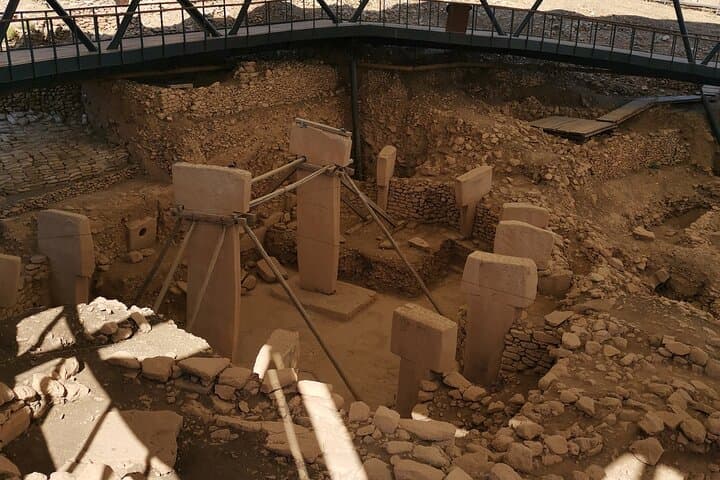
Dawn in Şanlıurfa feels deliberate — the city opens slowly, market calls layering over the occasional motorbike, and a small plane from Istanbul brings you into a landscape that has been lived on for 12,000 years. This two-day private tour puts you on a low limestone ridge fifteen kilometers northeast of the city where Göbekli Tepe’s carved pillars rise from packed-earth enclosures. Walk the short, level paths between excavated circles and imagine the first monumental architecture on earth: T-shaped stelae and bas-relief animals that predate pottery and settled agriculture.
Dawn in Şanlıurfa feels deliberate — the city opens slowly, market calls layering over the occasional motorbike, and a small plane from Istanbul brings you into a landscape that has been lived on for 12,000 years. This two-day private tour puts you on a low limestone ridge fifteen kilometers northeast of the city where Göbekli Tepe’s carved pillars rise from packed-earth enclosures. Walk the short, level paths between excavated circles and imagine the first monumental architecture on earth: T-shaped stelae and bas-relief animals that predate pottery and settled agriculture.
The region reads like a condensed history of the Near East. Şanlıurfa town dates through Hittite, Assyrian and Roman periods; nearby Harran preserves its beehive houses and echoes of medieval caravans. Karahantepe and the Taş Tepeler cluster extend the story—250 carved obelisks and anthropomorphic figures that suggest a shared ritual landscape across shallow ridges. Local culture blends Kurdish, Arab and Turkish influences; bazaars pulse with red pepper, okra and pistachio-sweet pastries, while evening Sıra Nights offer communal music and plain-spoken hospitality.
Practically: the tour is low-impact walking on compacted dirt and paved alleys, suitable for most fitness levels. Expect short transfers by private vehicle between sites, light onsite walking (15–45 minutes), and museum visits with shaded areas. Bring sun protection, comfortable walking shoes, and a light layer for early-morning flights. Plan for modest weather swings and carry cash for market purchases. With guided context at every stop, the itinerary turns stones and pottery into a readable human story — accessible, sensory, and historically disruptive.