THE ADVENTURE COLLECTIVE® · Independent discovery and booking for outdoor travel

A one-day journey from Istanbul to Göbeklitepe brings you face-to-face with 12,000-year-old limestone pillars that rewrite prehistory. This practical guide covers what to expect on-site, nearby cultural stops in Şanlıurfa and how to prepare for a long, rewarding day.
A one-day journey from Istanbul to Göbeklitepe brings you face-to-face with 12,000-year-old limestone pillars that rewrite prehistory. This practical guide covers what to expect on-site, nearby cultural stops in Şanlıurfa and how to prepare for a long, rewarding day.
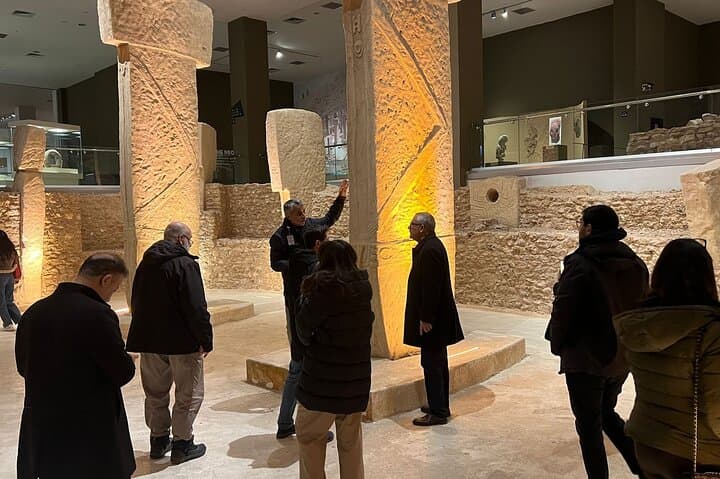
You step off the bus onto a wind-swept ridge and the pillars appear—six-meter limestone monoliths carved with foxes, boars and birds, their silhouettes throwing long shadows across compacted earth.
Verified experiences and guided adventures in the surrounding area.
Operated by Skylux Edition Travel · Şanlıurfa, Şanlıurfa Province
You step off the bus onto a wind-swept ridge and the pillars appear—six-meter limestone monoliths carved with foxes, boars and birds, their silhouettes throwing long shadows across compacted earth.
Göbeklitepe sits 15 km north of Şanlıurfa and dates to roughly 9600 BCE, older than Stonehenge or the Egyptian pyramids. Excavated only since 1994, its T-shaped pillars and carved reliefs rewrite the story of how ritual and social complexity preceded settled agriculture. The surrounding plains are part of upper Mesopotamia: a patchwork of semi-arid steppe, seasonal irrigation, and ancient trade routes that shaped early human movement.
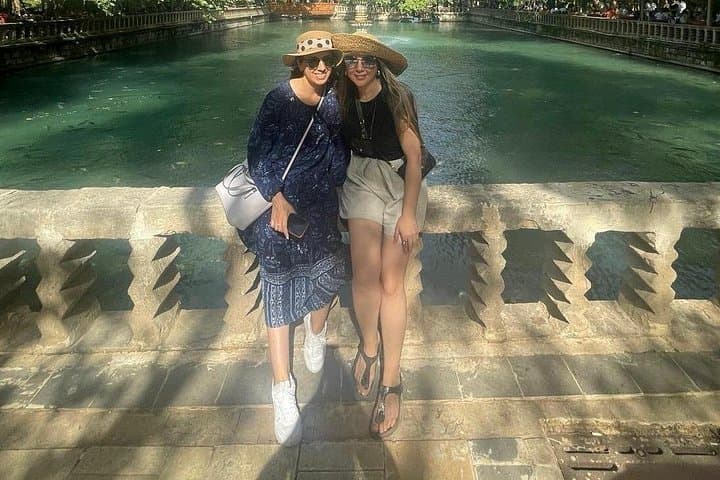
Nearby Şanlıurfa offers a different rhythm—Balıklıgöl’s sacred carp and the legend-steeped pools at Ayn Zeliha, plus Harran’s conical beehive houses and ancient ruins that tip a hat to millennia of settlement. The Şanlıurfa Archaeology and Mosaic Museum holds finds from the site and regional mosaics that put the stone circles in cultural context.
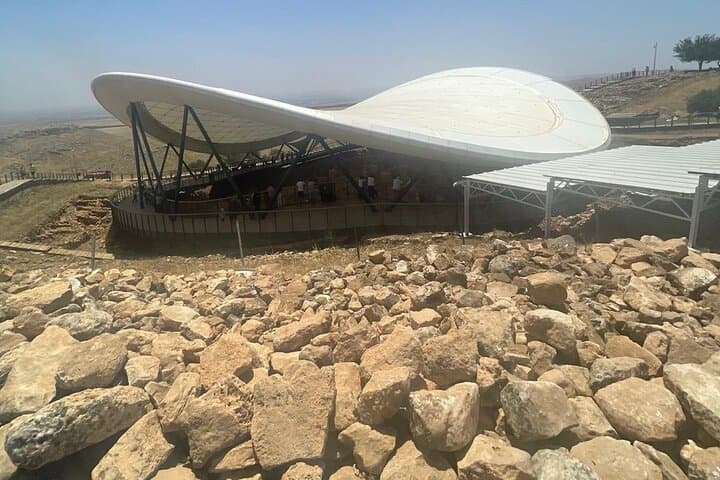
Practically, expect a full day if you travel from Istanbul: early flight, coach transfer and a couple of hours on-site plus museum time. Paths at Göbeklitepe are mostly level but include steps and shelter covers; wheelchair access is available through the visitor routes. Carry sun protection, water, and comfortable shoes; winter can be windy and cool, summer brutally sunny. Respect the conservation rules—do not touch the carvings—and allow at least two hours at the site to read the panels and absorb the scale. For history-minded travelers, this is a one-day, high-impact window into humanity’s ritual beginnings.
easy.
12-13 hours.
Suitable for travelers in average physical condition; involves short walks on uneven ground and steps.
Expect a full day—roughly 12–13 hours including round-trip flights, coach transfers and time at Göbeklitepe and the Şanlıurfa museum.
This listing includes the stated entrance fees for Göbeklitepe and the Şanlıurfa Archaeology and Mosaic Museum as noted in the itinerary.
Visitor routes and transportation options note wheelchair accessibility, though some outdoor paths have uneven surfaces; check with the operator about specific needs.
Yes—photography is allowed at the open-air site; be mindful of signage and avoid flash or close contact with fragile carvings inside protected areas.
Göbeklitepe’s monumental pillars date to roughly 9600 BCE and have shifted archaeological thinking by suggesting ritual sites predated permanent farming settlements.
Listed as a UNESCO World Heritage Site, Göbeklitepe is managed to limit wear—stay on designated paths, follow visitor-center guidance, and avoid touching ancient surfaces.
Skylux Edition Travel operates guided outdoor trips and adventures with an emphasis on safety, stewardship, and memorable experiences.
You step off the bus onto a wind-swept ridge and the pillars appear—six-meter limestone monoliths carved with foxes, boars and birds, their silhouettes throwing long shadows across compacted earth.
You step off the bus onto a wind-swept ridge and the pillars appear—six-meter limestone monoliths carved with foxes, boars and birds, their silhouettes throwing long shadows across compacted earth.
Göbeklitepe sits 15 km north of Şanlıurfa and dates to roughly 9600 BCE, older than Stonehenge or the Egyptian pyramids. Excavated only since 1994, its T-shaped pillars and carved reliefs rewrite the story of how ritual and social complexity preceded settled agriculture. The surrounding plains are part of upper Mesopotamia: a patchwork of semi-arid steppe, seasonal irrigation, and ancient trade routes that shaped early human movement.
Nearby Şanlıurfa offers a different rhythm—Balıklıgöl’s sacred carp and the legend-steeped pools at Ayn Zeliha, plus Harran’s conical beehive houses and ancient ruins that tip a hat to millennia of settlement. The Şanlıurfa Archaeology and Mosaic Museum holds finds from the site and regional mosaics that put the stone circles in cultural context.
Practically, expect a full day if you travel from Istanbul: early flight, coach transfer and a couple of hours on-site plus museum time. Paths at Göbeklitepe are mostly level but include steps and shelter covers; wheelchair access is available through the visitor routes. Carry sun protection, water, and comfortable shoes; winter can be windy and cool, summer brutally sunny. Respect the conservation rules—do not touch the carvings—and allow at least two hours at the site to read the panels and absorb the scale. For history-minded travelers, this is a one-day, high-impact window into humanity’s ritual beginnings.