THE ADVENTURE COLLECTIVE® · Independent discovery and booking for outdoor travel

A compact, guided 2‑day journey from Istanbul to Göbekli Tepe and Şanlıurfa that pairs one of the world’s oldest ritual complexes with centuries of regional history. Ideal for travelers who want archaeology, local culture, and short walks over varied terrain.
A compact, guided 2‑day journey from Istanbul to Göbekli Tepe and Şanlıurfa that pairs one of the world’s oldest ritual complexes with centuries of regional history. Ideal for travelers who want archaeology, local culture, and short walks over varied terrain.
Dust from the Anatolian plateau lifts as your morning flight descends toward Şanlıurfa; by the time you step onto the tarmac the air smells of kebab smoke and sun-baked limestone.
Verified experiences and guided adventures in the surrounding area.
Operated by Travel See Life · Şanlıurfa, Şanlıurfa Province
Dust from the Anatolian plateau lifts as your morning flight descends toward Şanlıurfa; by the time you step onto the tarmac the air smells of kebab smoke and sun-baked limestone.
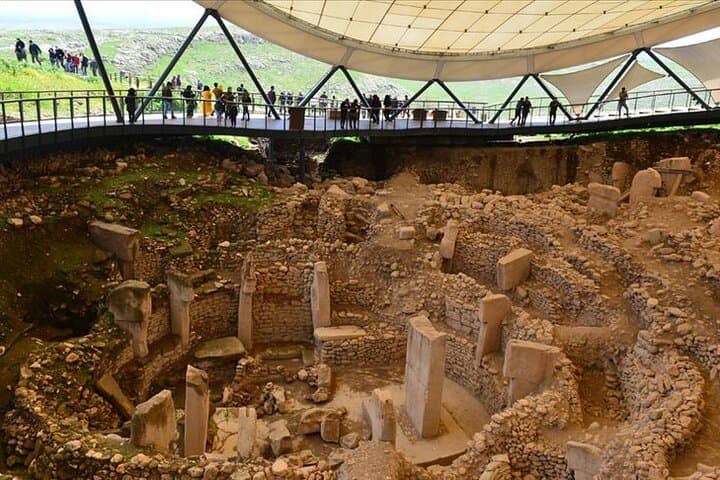
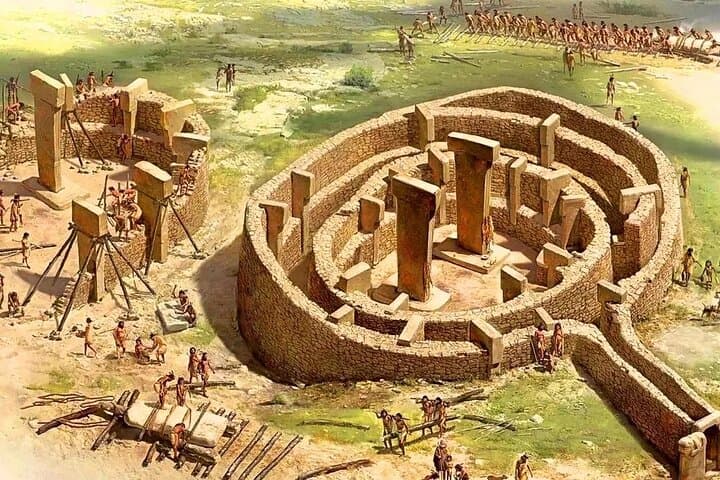
On day one a local guide leads you across the low rolling hills to Göbekli Tepe—circular stone enclosures carved from the region’s Miocene limestone. The pillars, some reaching over five meters, predate pottery and written language, forcing a rethink of late Pleistocene social life. Back in the city, Balıklıgöl (the Pool of Abraham) and the Archaeology and Mosaic Museum trace layers of Hittite, Assyrian, Greek and Islamic history.
Geology here is simple but revealing: soft limestone that preserves carved reliefs, ancient terraces eroded into the plain, and soils that once supported early cultivation. Harran’s beehive houses and fortress ruins show the continuity of settlement at a trade-route crossroads; Kızılkoyun’s Roman rock tombs add another chronological layer.
Practically, this is a guided, moderately paced cultural trek—expect uneven footsteps, exposed sun, short walks between sites and one overnight in a local 3-star or restored mansion hotel. Bring a valid passport for domestic flights and ID checks, sun protection, and comfortable shoes with good grip. Aim for early starts to avoid midday heat, and allow time to move through museum displays and the covered bazaar. Respect signage at archaeological areas—stay on marked paths and follow your guide’s instructions to help preserve fragile stonework.
moderate.
2 days (≈48 hours).
Moderate fitness—able to walk 1–3 hours across uneven ground and climb short stair sections.
Some booking options include roundtrip domestic flights from Istanbul; confirm your selected fare to ensure flights and airport transfers are included.
Expect short to moderate walks (30–90 minutes) at each site over uneven ground; most visits are guided and at a gentle pace.
The tour typically includes breakfast and two lunches; check your booking for specifics and any dietary accommodation options.
Many sites have uneven terrain and steps; accessibility is limited—contact the operator in advance to discuss specific needs.
Göbekli Tepe dates to the 10th millennium BCE and suggests organized ritual activity before settled farming; Şanlıurfa and Harran later sat on major Mesopotamian trade routes and feature Roman, Byzantine and Islamic layers.
Erosion and visitor pressure are ongoing concerns; stick to designated paths, avoid touching carvings and support local museums and guides that fund conservation efforts.
Travel See Life operates guided outdoor trips and adventures with an emphasis on safety, stewardship, and memorable experiences.


Dust from the Anatolian plateau lifts as your morning flight descends toward Şanlıurfa; by the time you step onto the tarmac the air smells of kebab smoke and sun-baked limestone.
Dust from the Anatolian plateau lifts as your morning flight descends toward Şanlıurfa; by the time you step onto the tarmac the air smells of kebab smoke and sun-baked limestone.
On day one a local guide leads you across the low rolling hills to Göbekli Tepe—circular stone enclosures carved from the region’s Miocene limestone. The pillars, some reaching over five meters, predate pottery and written language, forcing a rethink of late Pleistocene social life. Back in the city, Balıklıgöl (the Pool of Abraham) and the Archaeology and Mosaic Museum trace layers of Hittite, Assyrian, Greek and Islamic history.
Geology here is simple but revealing: soft limestone that preserves carved reliefs, ancient terraces eroded into the plain, and soils that once supported early cultivation. Harran’s beehive houses and fortress ruins show the continuity of settlement at a trade-route crossroads; Kızılkoyun’s Roman rock tombs add another chronological layer.
Practically, this is a guided, moderately paced cultural trek—expect uneven footsteps, exposed sun, short walks between sites and one overnight in a local 3-star or restored mansion hotel. Bring a valid passport for domestic flights and ID checks, sun protection, and comfortable shoes with good grip. Aim for early starts to avoid midday heat, and allow time to move through museum displays and the covered bazaar. Respect signage at archaeological areas—stay on marked paths and follow your guide’s instructions to help preserve fragile stonework.