THE ADVENTURE COLLECTIVE® · Independent discovery and booking for outdoor travel

Learn to snorkel safely in New Zealand’s first marine reserve at Goat Island. This guided, beginner-focused tour supplies full gear, flotation for non-swimmers, and supervised shallow-water swims amid abundant reef life.
Learn to snorkel safely in New Zealand’s first marine reserve at Goat Island. This guided, beginner-focused tour supplies full gear, flotation for non-swimmers, and supervised shallow-water swims amid abundant reef life.
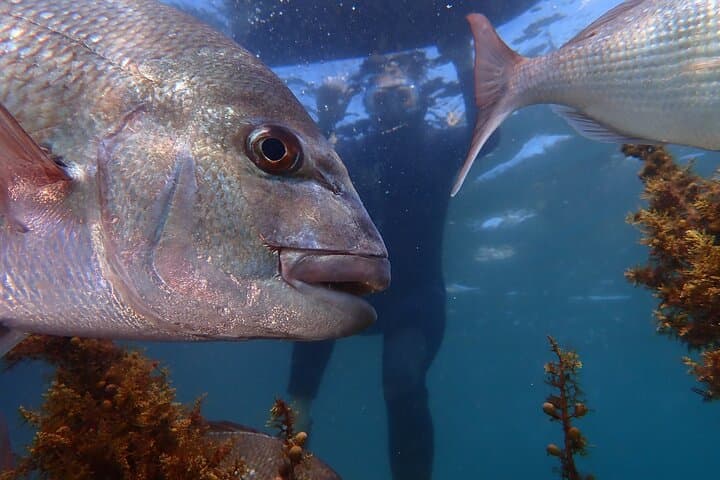
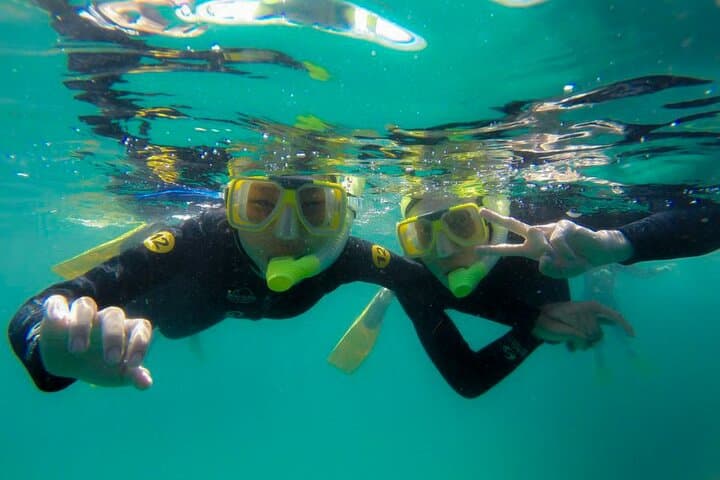
The morning sun cuts across the bay and the salt-scented air tightens as the group gathers at the water’s edge. In these shallow, glassy shallows off Goat Island, instructors clip masks and check buoyancy while the reserve’s fish flicker just below the surface, curious and unconcerned. The water here is a classroom and a stage: wide-eyed beginners learn to breathe through a snorkel while Blue Maomao and snapper dart like punctuation beneath a reef.
Verified experiences and guided adventures in the surrounding area.
Operated by Goat Island Dive & Snorkel · Leigh, Auckland Region
The morning sun cuts across the bay and the salt-scented air tightens as the group gathers at the water’s edge. In these shallow, glassy shallows off Goat Island, instructors clip masks and check buoyancy while the reserve’s fish flicker just below the surface, curious and unconcerned. The water here is a classroom and a stage: wide-eyed beginners learn to breathe through a snorkel while Blue Maomao and snapper dart like punctuation beneath a reef.
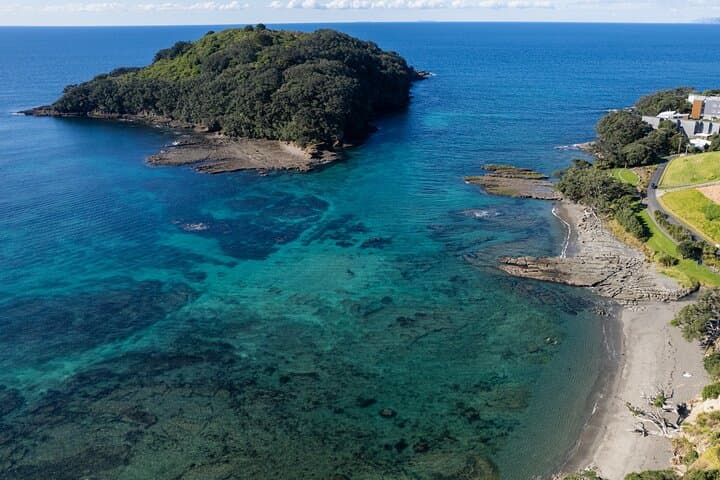
Goat Island sits at the mouth of Te Hāwere-a-Maki (Cape Rodney–Okakari Point), New Zealand’s first marine reserve established in 1975. The coastline is volcanic and sedimentary—rocky headlands give way to kelp forest and reef bommies that shelter a dense, protected food web. The area carries local iwi connections and a long fishing and boating history now balanced with formal conservation.
Practically, the guided tour runs about 150 minutes and is set up for non-swimmers and anyone new to snorkelling: instructors provide wetsuits, masks, fins, snorkels and flotation, plus a full safety briefing. Expect shallow entry, calm-water guided loops, and the chance to move slightly deeper as comfort grows. Visibility is often excellent in summer but can drop after rain; currents are usually mild but instructors monitor conditions.
Bring reef-safe sunscreen, a towel and shoes for the rocky shore. Listen closely to briefings, move deliberately in the water, and leave marine life in place—touching or chasing disrupts the reserve. After the session you’re free to use the gear for the day and explore shoreline pools or the Marine Discovery Centre nearby.
easy.
2–3 hours.
Suitable for most fitness levels; basic mobility and ability to follow safety instructions required
No — flotation devices are provided and instructors accommodate non-swimmers, but participants must follow safety briefings and be comfortable in the water.
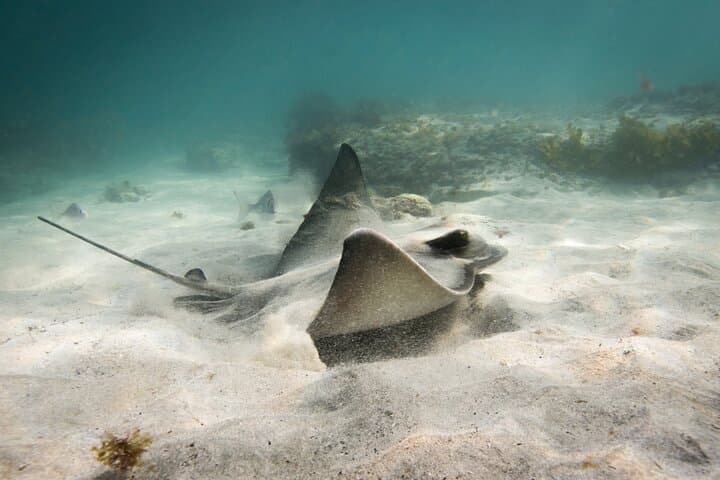
Expect schools of Blue Maomao, large snapper, occasional rays and small reef fish; dolphins have been spotted in the area though sightings aren’t guaranteed.
Yes — wetsuit, mask, snorkel and fins are included and can be used for the rest of the day after the guided session.
Minimum age is 8; children 8–14 must be accompanied by an adult and understand safety instructions in English.
Goat Island is part of the Cape Rodney–Okakari Point Marine Reserve, New Zealand’s first protected marine area established in 1975 to rebuild fish stocks and protect kelp forests.
The reserve is actively monitored and visitors are asked to follow no-take rules, avoid touching or removing marine life, and use reef-safe products to reduce local impact.
Goat Island Dive & Snorkel operates guided outdoor trips and adventures with an emphasis on safety, stewardship, and memorable experiences.
The morning sun cuts across the bay and the salt-scented air tightens as the group gathers at the water’s edge. In these shallow, glassy shallows off Goat Island, instructors clip masks and check buoyancy while the reserve’s fish flicker just below the surface, curious and unconcerned. The water here is a classroom and a stage: wide-eyed beginners learn to breathe through a snorkel while Blue Maomao and snapper dart like punctuation beneath a reef.
The morning sun cuts across the bay and the salt-scented air tightens as the group gathers at the water’s edge. In these shallow, glassy shallows off Goat Island, instructors clip masks and check buoyancy while the reserve’s fish flicker just below the surface, curious and unconcerned. The water here is a classroom and a stage: wide-eyed beginners learn to breathe through a snorkel while Blue Maomao and snapper dart like punctuation beneath a reef.
Goat Island sits at the mouth of Te Hāwere-a-Maki (Cape Rodney–Okakari Point), New Zealand’s first marine reserve established in 1975. The coastline is volcanic and sedimentary—rocky headlands give way to kelp forest and reef bommies that shelter a dense, protected food web. The area carries local iwi connections and a long fishing and boating history now balanced with formal conservation.
Practically, the guided tour runs about 150 minutes and is set up for non-swimmers and anyone new to snorkelling: instructors provide wetsuits, masks, fins, snorkels and flotation, plus a full safety briefing. Expect shallow entry, calm-water guided loops, and the chance to move slightly deeper as comfort grows. Visibility is often excellent in summer but can drop after rain; currents are usually mild but instructors monitor conditions.
Bring reef-safe sunscreen, a towel and shoes for the rocky shore. Listen closely to briefings, move deliberately in the water, and leave marine life in place—touching or chasing disrupts the reserve. After the session you’re free to use the gear for the day and explore shoreline pools or the Marine Discovery Centre nearby.