THE ADVENTURE COLLECTIVE® · Independent discovery and booking for outdoor travel

Hike a gentle forest trail outside Quebec City led by a woodsman, friendly packing goats and a working shepherd dog. Visit an impressive beaver dam, learn tracking and local ecology, then enjoy a homemade picnic in the woods.
Hike a gentle forest trail outside Quebec City led by a woodsman, friendly packing goats and a working shepherd dog. Visit an impressive beaver dam, learn tracking and local ecology, then enjoy a homemade picnic in the woods.
Dawn arrives cool and green as you step onto an easy forest track with a pair of curious packing goats at your side. Their hooves tap through leaf litter while the guide—part woodsman, part storyteller—points out a trail of recent beaver work: water pooled behind a low, engineered dam that reshapes the forest floor.
Verified experiences and guided adventures in the surrounding area.
Operated by François · Quebec City, Quebec
Dawn arrives cool and green as you step onto an easy forest track with a pair of curious packing goats at your side. Their hooves tap through leaf litter while the guide—part woodsman, part storyteller—points out a trail of recent beaver work: water pooled behind a low, engineered dam that reshapes the forest floor.
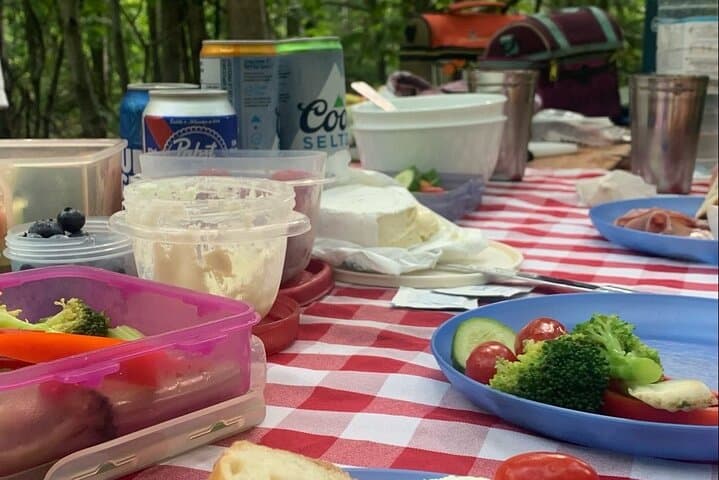
The route follows mixed maple and spruce stands typical of the Quebec lowland-forest transition. Beavers, long a feature of this landscape, create wetland pockets that attract waterfowl, moose sign, and small mammals; watching a shepherd dog steady the goats adds a rural, working-animal feel that’s both practical and charming. The group pauses at the dam for a simple field-lunch of cured meats, homemade cheeses, fresh produce and baguette, the same kinds of foods that have kept long-trail travelers fed here for generations.
Geology is subtle: glacially scoured bedrock and thin soils that encourage winding streams and pockets of peat where the beavers hold water. Culturally, the outing blends modern agritourism with centuries-old resource use—forest, fur, and small-scale grazing all visible if you know where to look.
Practical notes: this private, roughly 3–4 hour experience is rated easy; expect 4–6 km of uneven trail with modest elevation changes (est. ~150 m cumulative gain). Wear grippy hiking shoes, bring layers, insect protection in warm months, and a small daypack for water and a camera. Respect the animals: no feeding without the guide’s permission and allow space for goat and dog interactions. Morning light or late-afternoon departures give the best wildlife viewing and softer temperatures.
easy.
3–4 hours.
Suitable for most fitness levels; expect several kilometers on uneven forest paths and short, gentle climbs.
Yes—this activity is family-friendly and noted as suitable for infants and small children; strollers may be usable on portions of the route but check with the operator for specific logistics.
Guides manage animal interactions—petting may be allowed but feeding is not recommended unless expressly permitted to avoid dietary upset.
Full refunds are available if you cancel at least 24 hours before departure; tours may be cancelled for bad weather or insufficient travelers.
Public transportation options exist nearby, but the meeting point typically requires a short taxi or transfer—confirm pickup details when booking.
Beavers shaped both the landscape and regional economy—fur trade routes and small-scale forestry defined settlement patterns around Quebec City.
Beaver engineering creates wetlands that increase local biodiversity; stick to trails, pack out waste, and follow guide instructions to minimize disturbance to habitats.
François operates guided outdoor trips and adventures with an emphasis on safety, stewardship, and memorable experiences.
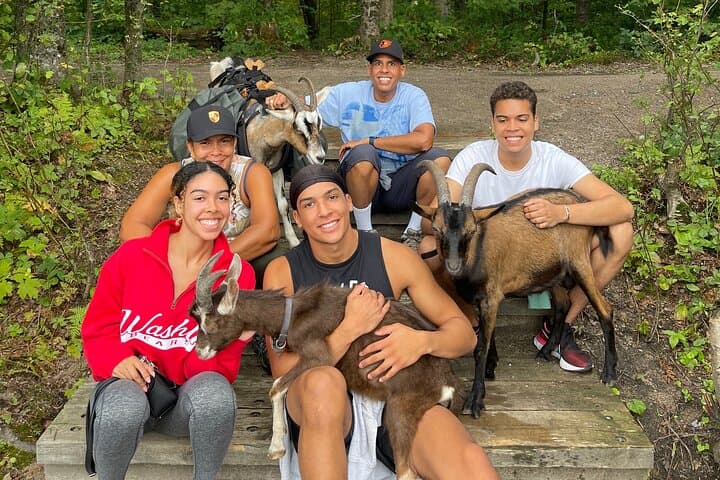
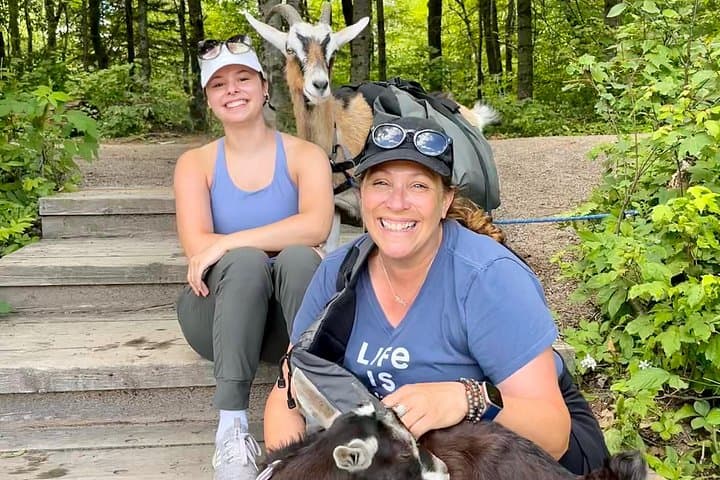
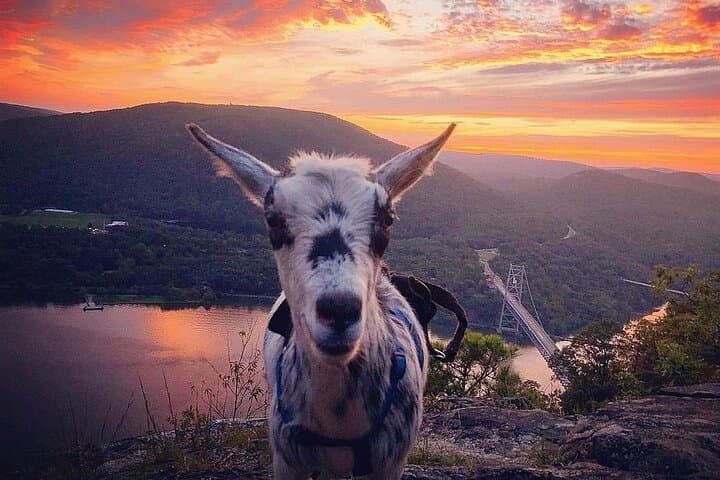
Dawn arrives cool and green as you step onto an easy forest track with a pair of curious packing goats at your side. Their hooves tap through leaf litter while the guide—part woodsman, part storyteller—points out a trail of recent beaver work: water pooled behind a low, engineered dam that reshapes the forest floor.
Dawn arrives cool and green as you step onto an easy forest track with a pair of curious packing goats at your side. Their hooves tap through leaf litter while the guide—part woodsman, part storyteller—points out a trail of recent beaver work: water pooled behind a low, engineered dam that reshapes the forest floor.
The route follows mixed maple and spruce stands typical of the Quebec lowland-forest transition. Beavers, long a feature of this landscape, create wetland pockets that attract waterfowl, moose sign, and small mammals; watching a shepherd dog steady the goats adds a rural, working-animal feel that’s both practical and charming. The group pauses at the dam for a simple field-lunch of cured meats, homemade cheeses, fresh produce and baguette, the same kinds of foods that have kept long-trail travelers fed here for generations.
Geology is subtle: glacially scoured bedrock and thin soils that encourage winding streams and pockets of peat where the beavers hold water. Culturally, the outing blends modern agritourism with centuries-old resource use—forest, fur, and small-scale grazing all visible if you know where to look.
Practical notes: this private, roughly 3–4 hour experience is rated easy; expect 4–6 km of uneven trail with modest elevation changes (est. ~150 m cumulative gain). Wear grippy hiking shoes, bring layers, insect protection in warm months, and a small daypack for water and a camera. Respect the animals: no feeding without the guide’s permission and allow space for goat and dog interactions. Morning light or late-afternoon departures give the best wildlife viewing and softer temperatures.