THE ADVENTURE COLLECTIVE® · Independent discovery and booking for outdoor travel

Explore South Goa’s hinterland in a half-day tour that pairs spice-plantation hospitality with ancient laterite caves and riverbed petroglyphs. This short, easy outing blends natural scenery, local history, and hands-on cultural moments.
Explore South Goa’s hinterland in a half-day tour that pairs spice-plantation hospitality with ancient laterite caves and riverbed petroglyphs. This short, easy outing blends natural scenery, local history, and hands-on cultural moments.
Dawn in South Goa arrives soft and humid; the Kushavati River pushes a cool hush into the valley and the laterite cliffs stand patient and weathered. On this half-day route, a local guide leads you from a working Kulaghar spice plantation into the quieter reaches of Rivona — where meditation caves and prehistoric rock art interrupt the green.
Verified experiences and guided adventures in the surrounding area.
Operated by Soul Travelling · Rivona, Goa
Dawn in South Goa arrives soft and humid; the Kushavati River pushes a cool hush into the valley and the laterite cliffs stand patient and weathered. On this half-day route, a local guide leads you from a working Kulaghar spice plantation into the quieter reaches of Rivona — where meditation caves and prehistoric rock art interrupt the green.
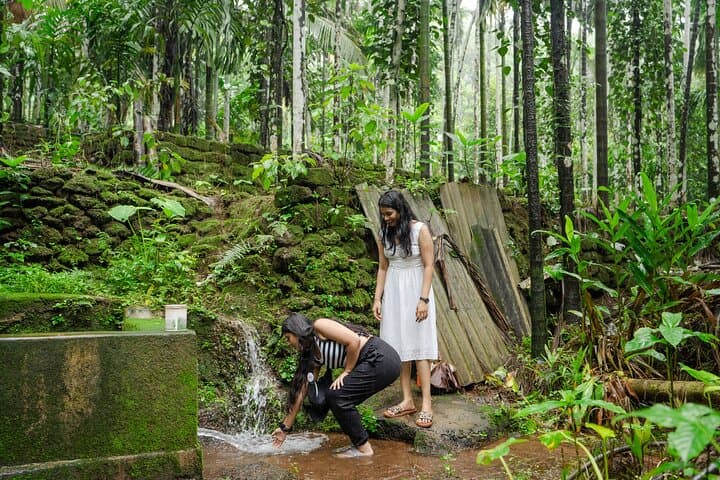
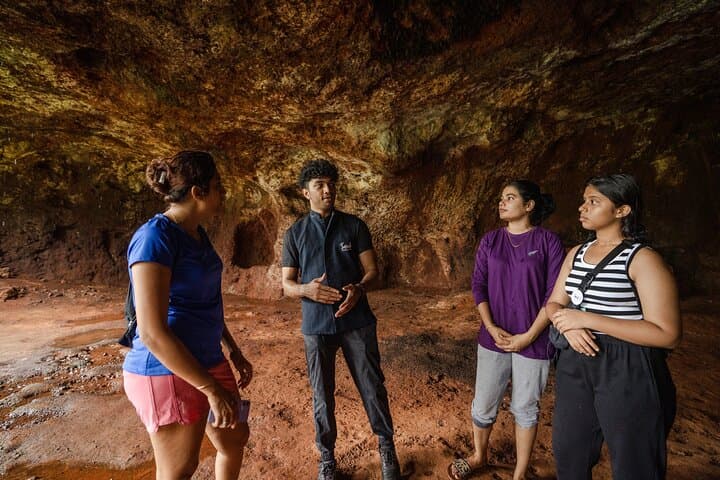
The Rivona (Pandava) Caves are carved into laterite and date back to roughly the 6th–7th century CE, believed to have served Buddhist monks as retreats. Nearby, the Usgalimal petroglyphs sit on riverbed rock: concentric circles, bovine figures and abstract motifs etched into stone and rediscovered only in the 1990s. The region’s geology — soft laterite over Deccan basalt — makes both carving and erosion visible together, and the Kushavati’s pools cut deeper channels where locals still wash and children paddle.
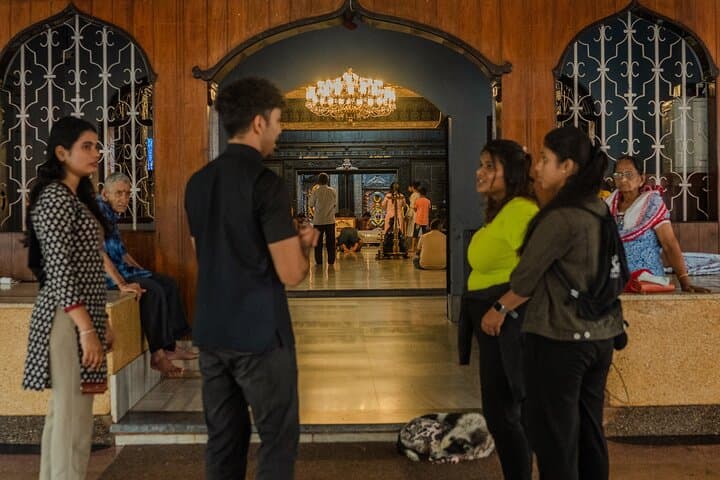
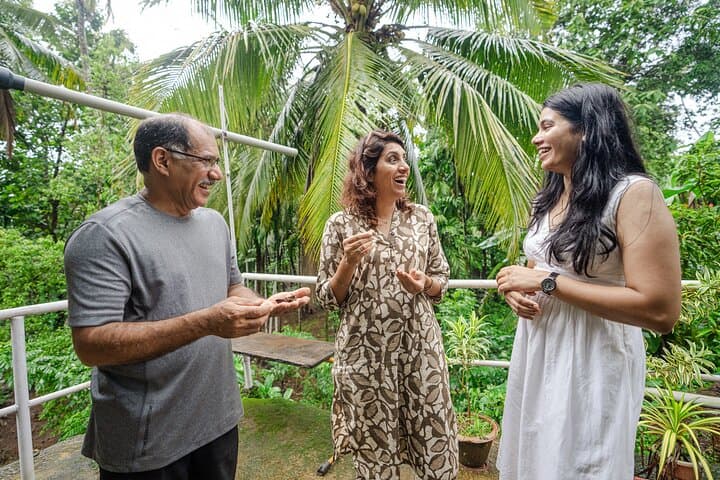
Cultural markers are immediate: Zambaulim’s temple lore, village homestays, and a breakfast spread of Goan rice, chouriço, kokum or spiced tea served under the canopy give the trip texture. The guide’s knowledge ties stories to places — practical context that turns ruins into lived history.
Practicalities: the walk is short but uneven — laterite steps, muddy trails beside streams and shallow river crossings in the dry season. Wear grippy shoes, bring insect repellent and a refillable water bottle, and dress conservatively for temple visits. Photography is welcome but avoid touching petroglyphs. Expect 3–3.5 hours on trail, with moderate shade and a few exposed sections; mornings are coolest and least crowded.
easy.
3–3.5 hours.
Suitable for most fitness levels; expect short walks on uneven ground and a few gentle steps
Yes — a homemade Goan breakfast or snacks served at the plantation are included as listed in the itinerary.
The tour notes admission is included for the cave and petroglyph stops; confirm with the operator at booking.
The experience is family-friendly; infants must sit on an adult’s lap and caregivers should watch children near water and rocky areas.
Conservative clothing that covers shoulders and knees is requested at heritage temples — bring a wrap if needed.
Rivona’s rock-cut caves date to the early medieval period and are associated with Buddhist monastic retreats; Usgalimal’s carvings are a rare example of prehistoric coastal rock art in Goa.
The petroglyphs and laterite sites are fragile; follow marked paths, avoid touching carvings, and support local guides who help steward these places.
Soul Travelling operates guided outdoor trips and adventures with an emphasis on safety, stewardship, and memorable experiences.
Dawn in South Goa arrives soft and humid; the Kushavati River pushes a cool hush into the valley and the laterite cliffs stand patient and weathered. On this half-day route, a local guide leads you from a working Kulaghar spice plantation into the quieter reaches of Rivona — where meditation caves and prehistoric rock art interrupt the green.
Dawn in South Goa arrives soft and humid; the Kushavati River pushes a cool hush into the valley and the laterite cliffs stand patient and weathered. On this half-day route, a local guide leads you from a working Kulaghar spice plantation into the quieter reaches of Rivona — where meditation caves and prehistoric rock art interrupt the green.
The Rivona (Pandava) Caves are carved into laterite and date back to roughly the 6th–7th century CE, believed to have served Buddhist monks as retreats. Nearby, the Usgalimal petroglyphs sit on riverbed rock: concentric circles, bovine figures and abstract motifs etched into stone and rediscovered only in the 1990s. The region’s geology — soft laterite over Deccan basalt — makes both carving and erosion visible together, and the Kushavati’s pools cut deeper channels where locals still wash and children paddle.
Cultural markers are immediate: Zambaulim’s temple lore, village homestays, and a breakfast spread of Goan rice, chouriço, kokum or spiced tea served under the canopy give the trip texture. The guide’s knowledge ties stories to places — practical context that turns ruins into lived history.
Practicalities: the walk is short but uneven — laterite steps, muddy trails beside streams and shallow river crossings in the dry season. Wear grippy shoes, bring insect repellent and a refillable water bottle, and dress conservatively for temple visits. Photography is welcome but avoid touching petroglyphs. Expect 3–3.5 hours on trail, with moderate shade and a few exposed sections; mornings are coolest and least crowded.