THE ADVENTURE COLLECTIVE® · Independent discovery and booking for outdoor travel

Three days from Goa to Jim Corbett combine two guided safaris, cultural stops and a visit to Corbett Falls. Expect early-morning drives, private jeep or canter safaris, and rules set by the forest authorities—tiger sightings are never guaranteed.
Three days from Goa to Jim Corbett combine two guided safaris, cultural stops and a visit to Corbett Falls. Expect early-morning drives, private jeep or canter safaris, and rules set by the forest authorities—tiger sightings are never guaranteed.
Dawn squeezes through sal and riverine trees as a private jeep threads the narrow track—mists lift off the Ramganga and the park wakes in soft, urgent noises. On this three-day loop from Goa, the travel is as much part of the trip as the safaris: a morning flight into Delhi, a scenic drive into the Shiwalik foothills, and two chances to scan grasslands and riverbanks for a flash of stripes.
Verified experiences and guided adventures in the surrounding area.
Operated by Padma Holidays · Ramnagar, Uttarakhand
Dawn squeezes through sal and riverine trees as a private jeep threads the narrow track—mists lift off the Ramganga and the park wakes in soft, urgent noises. On this three-day loop from Goa, the travel is as much part of the trip as the safaris: a morning flight into Delhi, a scenic drive into the Shiwalik foothills, and two chances to scan grasslands and riverbanks for a flash of stripes.
Jim Corbett sits on the southern edge of the outer Himalaya, its ridges carved by seasonal rivers and stitched with sal forest and tall grass. The park, created in 1936 and named for hunter-turned-conservationist Jim Corbett, protects corridors for tigers and elephants within the larger Terai landscape. Cultural stops—Garjia Devi Temple by the river and the Corbett Museum in Ramnagar—clarify local ties between faith, forestry and early conservation efforts.
Expect early-morning and late-afternoon safaris (private jeep or canter), strict park rules, and an English-speaking forest guide appointed by authorities. Tiger sightings remain unpredictable; guides choose the best available zone and visitors should prioritize optics and patience over certainty.
Practical tips: arrive 20 minutes before boarding, dress in neutral layers for temperature swings, carry binoculars, a telephoto lens, and refillable water. Respect quiet protocol—engines idling and low conversation improve odds of sightings. Corbett Falls and temple visits round out the itinerary, offering restorative walks after the intensity of tracking wildlife.
This trip balances travel logistics with focused wildlife viewing—best for travelers who accept the unpredictability of wild animals and value early starts, local context, and a structured three-day window into one of India’s most iconic parks.
moderate.
3 days.
Light to moderate fitness: able to board vehicles, manage short walks near temples and falls, and tolerate early starts and long drives.
No; tigers are wild and sightings cannot be guaranteed. The operator books the best available zones and provides two safari windows to improve your chances.
The itinerary uses a flight to Delhi and a road transfer (approximately 5–6 hours) to the Corbett area; the package includes round-trip flights with some options and hotel nights when selected.
Safaris run early morning and late afternoon/early evening—exact times vary by season and zone, so follow the boarding time provided by your operator.
The basic itinerary includes breakfast and (with tour options) two nights in a 4-star lodge; lunch and dinner are typically on your own unless specified in the package.
Jim Corbett National Park, established in 1936, is India’s oldest national park and was set aside to protect landscapes and big cats in the Terai-Shivalik region.
Corbett is part of the Terai Arc Landscape conservation effort; visitors should minimize noise, avoid littering, and follow guide instructions to reduce disturbance to wildlife.
Padma Holidays operates guided outdoor trips and adventures with an emphasis on safety, stewardship, and memorable experiences.

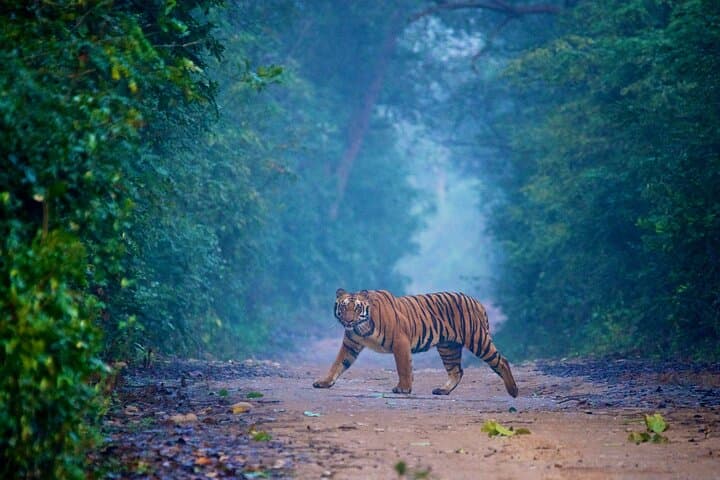
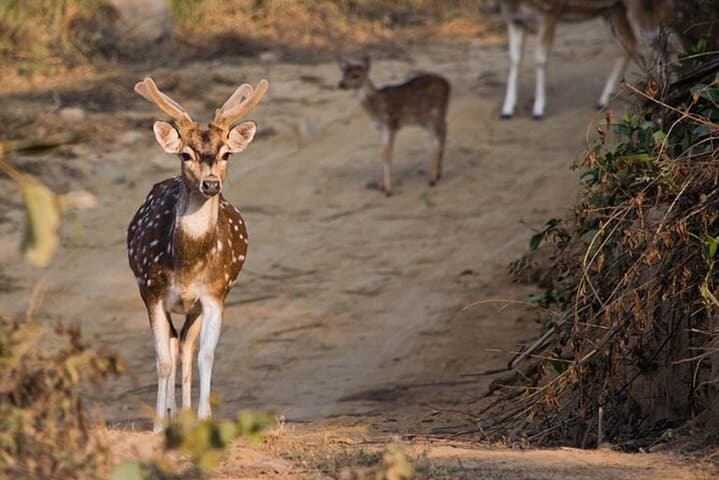
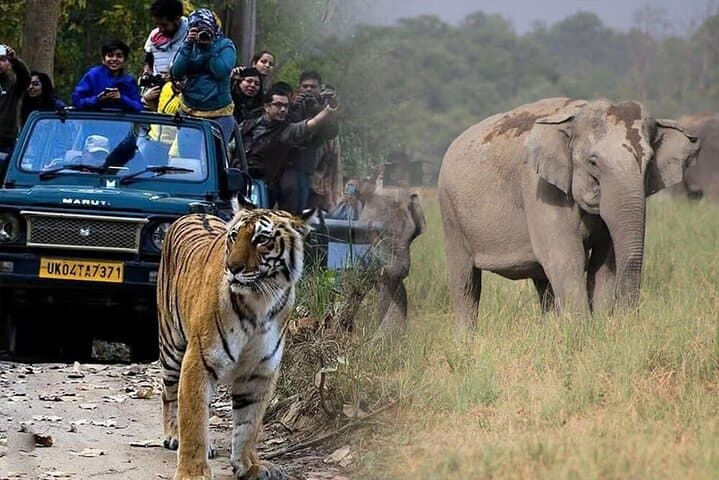
Dawn squeezes through sal and riverine trees as a private jeep threads the narrow track—mists lift off the Ramganga and the park wakes in soft, urgent noises. On this three-day loop from Goa, the travel is as much part of the trip as the safaris: a morning flight into Delhi, a scenic drive into the Shiwalik foothills, and two chances to scan grasslands and riverbanks for a flash of stripes.
Dawn squeezes through sal and riverine trees as a private jeep threads the narrow track—mists lift off the Ramganga and the park wakes in soft, urgent noises. On this three-day loop from Goa, the travel is as much part of the trip as the safaris: a morning flight into Delhi, a scenic drive into the Shiwalik foothills, and two chances to scan grasslands and riverbanks for a flash of stripes.
Jim Corbett sits on the southern edge of the outer Himalaya, its ridges carved by seasonal rivers and stitched with sal forest and tall grass. The park, created in 1936 and named for hunter-turned-conservationist Jim Corbett, protects corridors for tigers and elephants within the larger Terai landscape. Cultural stops—Garjia Devi Temple by the river and the Corbett Museum in Ramnagar—clarify local ties between faith, forestry and early conservation efforts.
Expect early-morning and late-afternoon safaris (private jeep or canter), strict park rules, and an English-speaking forest guide appointed by authorities. Tiger sightings remain unpredictable; guides choose the best available zone and visitors should prioritize optics and patience over certainty.
Practical tips: arrive 20 minutes before boarding, dress in neutral layers for temperature swings, carry binoculars, a telephoto lens, and refillable water. Respect quiet protocol—engines idling and low conversation improve odds of sightings. Corbett Falls and temple visits round out the itinerary, offering restorative walks after the intensity of tracking wildlife.
This trip balances travel logistics with focused wildlife viewing—best for travelers who accept the unpredictability of wild animals and value early starts, local context, and a structured three-day window into one of India’s most iconic parks.