THE ADVENTURE COLLECTIVE® · Independent discovery and booking for outdoor travel

Follow a six-day cultural road trip across the Deccan Plateau, from Goa’s coast to Hyderabad’s palaces. Visit Belgaum, Kolhapur, Bijapur, Gulbarga and Bidar for forts, tombs and living markets with guided logistics and comfortable road transfers.
Follow a six-day cultural road trip across the Deccan Plateau, from Goa’s coast to Hyderabad’s palaces. Visit Belgaum, Kolhapur, Bijapur, Gulbarga and Bidar for forts, tombs and living markets with guided logistics and comfortable road transfers.
A morning on the Deccan road feels like turning a page of layered history: coconut palms fall away and the highway opens onto low, craggy ridges crowned by stone—forts that still hold the hush of bygone courts. The itinerary moves deliberately from the coast of Goa through Belgaum and Kolhapur, threads past Bijapur’s immense dome at Gol Gumbaz, and crosses the Bahmani and Qutb Shahi landscapes before arriving in Hyderabad’s mosaic of bazaars and palaces.
Verified experiences and guided adventures in the surrounding area.
Operated by Agora Voyages Pvt. Ltd. · Panaji, Goa
A morning on the Deccan road feels like turning a page of layered history: coconut palms fall away and the highway opens onto low, craggy ridges crowned by stone—forts that still hold the hush of bygone courts. The itinerary moves deliberately from the coast of Goa through Belgaum and Kolhapur, threads past Bijapur’s immense dome at Gol Gumbaz, and crosses the Bahmani and Qutb Shahi landscapes before arriving in Hyderabad’s mosaic of bazaars and palaces.
These places were shaped by collision—geology of the Deccan Plateau laid down by ancient lava flows, then carved by centuries of empires. Bijapur’s vaults and Hyderabad’s Golconda reflect Sultanate ambition; Kolhapur bears Maratha-era shrines and living craft traditions. Local culture is loud and tactile: markets selling bangles and biryani, temple bells and mosque calls layering the day.
Expect mostly road travel with short, active visits—rammed stone steps, ramparts, and museum corridors. Timing matters: mornings at Gol Gumbaz or Golconda avoid heat and crowds, while evenings suit lakeside promenades in Hyderabad. Carry sun protection, comfortable shoes for uneven stonework, and a modular daypack for cameras and water. Guides will handle entrances and logistics, but bring small notes of local currency for market purchases and tips. The route rewards travelers who like history paced by the road—each stop offers a distinct architectural chapter, and the landscape between cities gives a sense of the Deccan’s scale and resilience.
easy.
6 days.
Light fitness required—comfortable sitting for long drives and short walks over uneven surfaces.
The full itinerary runs six days; typical daily drives range from 3 to 6 hours interspersed with guided visits and short walks.
Monument entrances and English-speaking local guides on sightseeing days are included as per the program.
The tour is family-friendly, but many sites have steps and uneven terrain; travelers with limited mobility should check accessibility at specific monuments.
Breakfasts are provided on sightseeing days; regional snacks are available at markets—drink bottled or filtered water and try local specialties like Kolhapuri cuisine and Hyderabadi biryani in city stops.
The route traces competing medieval Deccan polities—the Bahmani and Bijapur Sultanates, later Maratha influence—whose architecture and urban planning shaped the plateau’s cultural geography.
Heritage sites face wear from foot traffic; follow signposted routes, avoid climbing on fragile masonry, and minimize plastic waste to protect these monuments.
Agora Voyages Pvt. Ltd. operates guided outdoor trips and adventures with an emphasis on safety, stewardship, and memorable experiences.

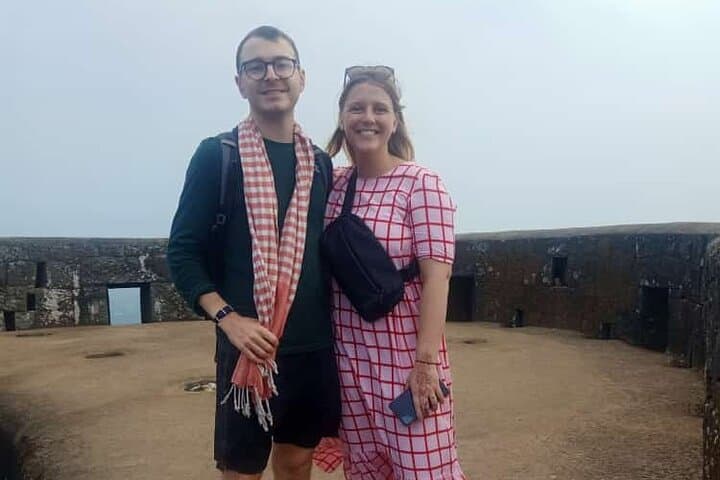
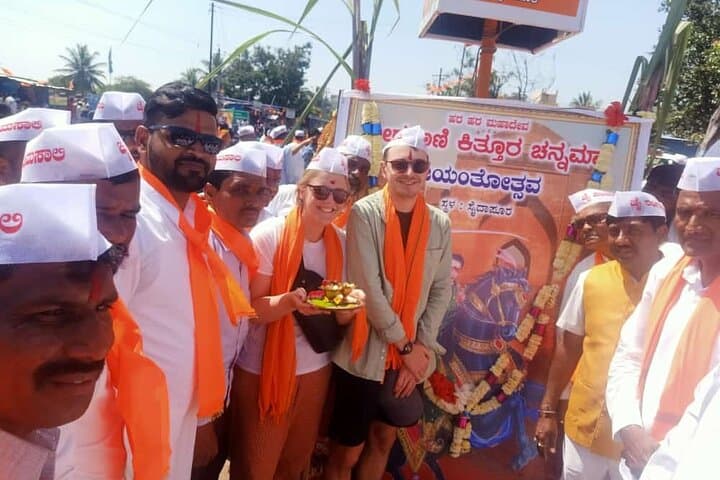
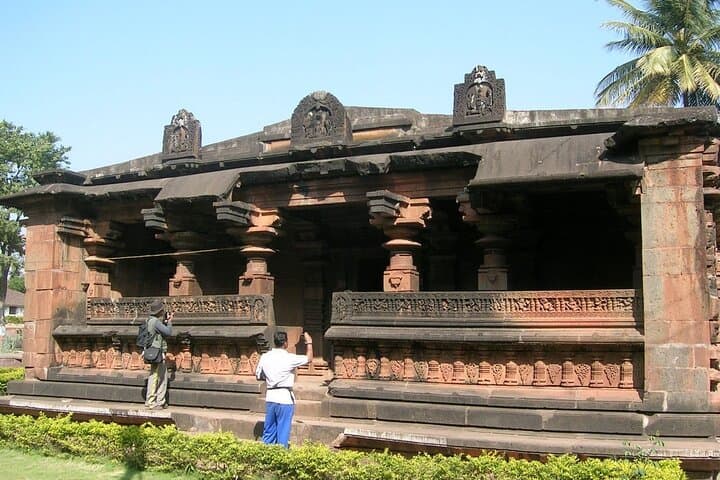
A morning on the Deccan road feels like turning a page of layered history: coconut palms fall away and the highway opens onto low, craggy ridges crowned by stone—forts that still hold the hush of bygone courts. The itinerary moves deliberately from the coast of Goa through Belgaum and Kolhapur, threads past Bijapur’s immense dome at Gol Gumbaz, and crosses the Bahmani and Qutb Shahi landscapes before arriving in Hyderabad’s mosaic of bazaars and palaces.
A morning on the Deccan road feels like turning a page of layered history: coconut palms fall away and the highway opens onto low, craggy ridges crowned by stone—forts that still hold the hush of bygone courts. The itinerary moves deliberately from the coast of Goa through Belgaum and Kolhapur, threads past Bijapur’s immense dome at Gol Gumbaz, and crosses the Bahmani and Qutb Shahi landscapes before arriving in Hyderabad’s mosaic of bazaars and palaces.
These places were shaped by collision—geology of the Deccan Plateau laid down by ancient lava flows, then carved by centuries of empires. Bijapur’s vaults and Hyderabad’s Golconda reflect Sultanate ambition; Kolhapur bears Maratha-era shrines and living craft traditions. Local culture is loud and tactile: markets selling bangles and biryani, temple bells and mosque calls layering the day.
Expect mostly road travel with short, active visits—rammed stone steps, ramparts, and museum corridors. Timing matters: mornings at Gol Gumbaz or Golconda avoid heat and crowds, while evenings suit lakeside promenades in Hyderabad. Carry sun protection, comfortable shoes for uneven stonework, and a modular daypack for cameras and water. Guides will handle entrances and logistics, but bring small notes of local currency for market purchases and tips. The route rewards travelers who like history paced by the road—each stop offers a distinct architectural chapter, and the landscape between cities gives a sense of the Deccan’s scale and resilience.