THE ADVENTURE COLLECTIVE® · Independent discovery and booking for outdoor travel

Turn Panaji and Old Goa into your own urban playground with a self-guided scavenger hunt. Solve clues, find colonial-era churches and tucked-away squares, and learn local history at your own pace.
Turn Panaji and Old Goa into your own urban playground with a self-guided scavenger hunt. Solve clues, find colonial-era churches and tucked-away squares, and learn local history at your own pace.
The city opens like a riddle: a faded Portuguese façade, a bell tower catching the sun, narrow lanes that seem to dare you down them. This self-guided scavenger hunt uses your smartphone to lead you through Goa’s urban pulse—historic churches, colorful Latin-quarter streets, and riverfront viewpoints—each clue nudging you to look closer and read the signs the city left behind.
Verified experiences and guided adventures in the surrounding area.
Operated by Explorial · Panaji, Goa
The city opens like a riddle: a faded Portuguese façade, a bell tower catching the sun, narrow lanes that seem to dare you down them. This self-guided scavenger hunt uses your smartphone to lead you through Goa’s urban pulse—historic churches, colorful Latin-quarter streets, and riverfront viewpoints—each clue nudging you to look closer and read the signs the city left behind.
Old Goa and Panaji carry layers of history: 16th- and 17th-century churches built during Portuguese rule, plazas that once hosted colonial officials, and neighborhoods shaped by trade between India and Europe. Geologically, the flat coastal plain gives way to laterite soils and estuarine banks where the Mandovi River widens and pushes outward toward the Arabian Sea. Local culture blends Konkani customs with Catholic heritage; street vendors sell feni and bhaji while brass church bells mark the hour.
The experience is low-impact and discovery-driven—expect 1–2 hours of walking, pauses to solve riddles, and photo challenges that reward observation. Practicalities: download the app and redeem your access code at the start point, carry water, and wear sturdy shoes for uneven sidewalks and occasional steps. Midday heat can be sharp; mornings and late afternoons are cooler and offer softer light for photos. Public transport and tuk-tuks are available if you want to stretch the route.
For travelers who like exploration with structure, this tour turns Goa’s streets into a compact field game: history to read, architecture to examine, and small moments of surprise around each corner.
easy.
1–2 hours.
Light walking fitness; suitable for most travelers who can stroll for up to two hours with short pauses
Most groups finish in 1–2 hours, but because it’s self-paced you can take longer to linger at sites and complete photo challenges.
The Explorial app provides all instructions and maps—no guide is required, making this fully self-guided and private.
Parts of Panaji and Old Goa have uneven surfaces and steps; accessibility varies by site, so expect limited wheelchair access in some heritage areas.
Yes—after purchase you receive an access code to use in the app and can begin at your convenience within the validity period.
Old Goa’s grand churches were erected during Portuguese colonial rule (16th–18th centuries), shaping the city’s European-influenced architecture and religious traditions.
Heritage conservation and responsible tourism are priorities—avoid littering in historic sites and support small, local vendors to help sustain the area.
Explorial operates guided outdoor trips and adventures with an emphasis on safety, stewardship, and memorable experiences.
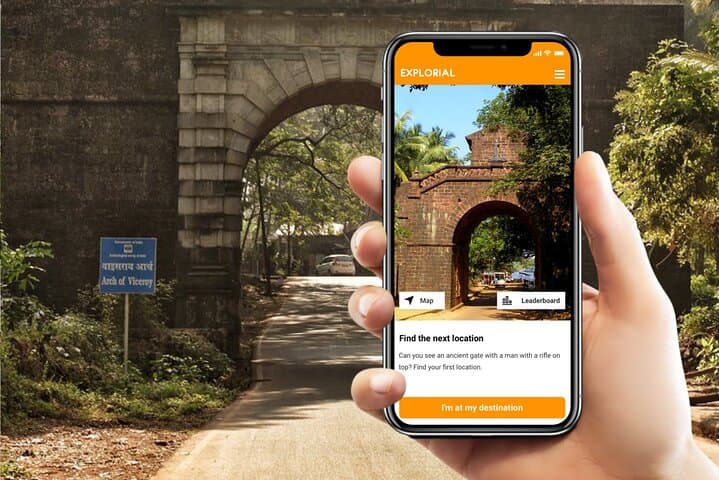
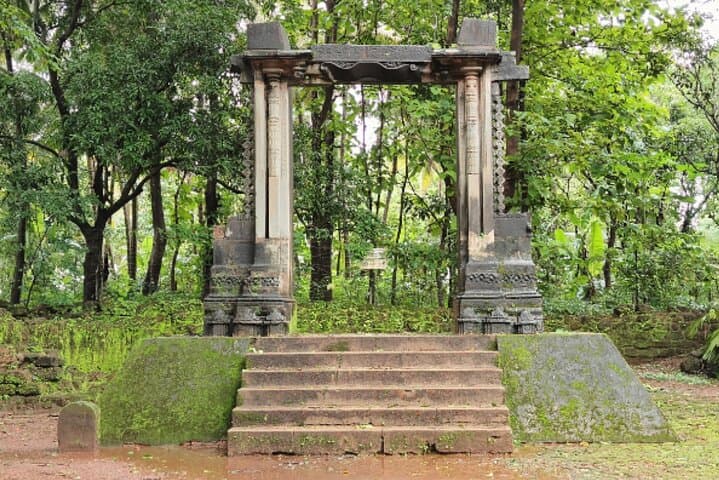
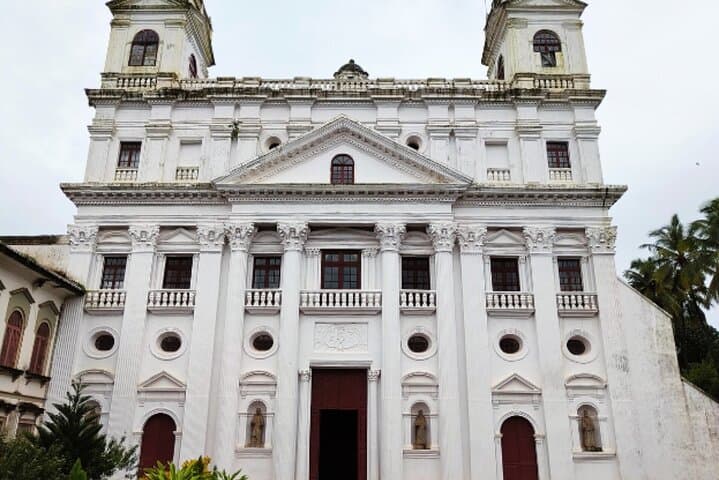
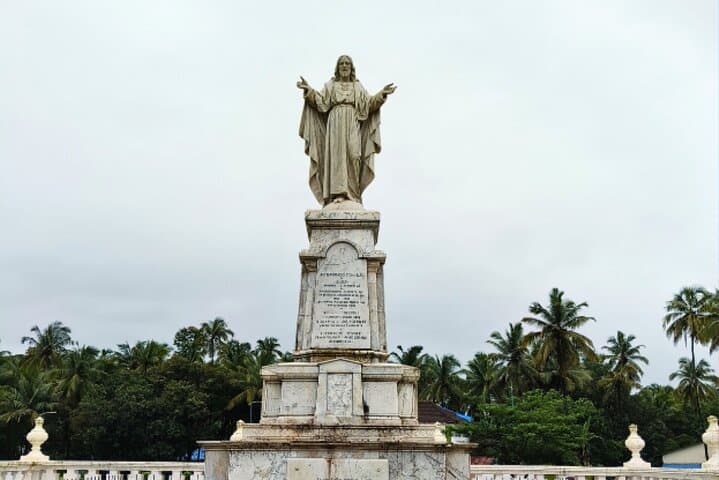
The city opens like a riddle: a faded Portuguese façade, a bell tower catching the sun, narrow lanes that seem to dare you down them. This self-guided scavenger hunt uses your smartphone to lead you through Goa’s urban pulse—historic churches, colorful Latin-quarter streets, and riverfront viewpoints—each clue nudging you to look closer and read the signs the city left behind.
The city opens like a riddle: a faded Portuguese façade, a bell tower catching the sun, narrow lanes that seem to dare you down them. This self-guided scavenger hunt uses your smartphone to lead you through Goa’s urban pulse—historic churches, colorful Latin-quarter streets, and riverfront viewpoints—each clue nudging you to look closer and read the signs the city left behind.
Old Goa and Panaji carry layers of history: 16th- and 17th-century churches built during Portuguese rule, plazas that once hosted colonial officials, and neighborhoods shaped by trade between India and Europe. Geologically, the flat coastal plain gives way to laterite soils and estuarine banks where the Mandovi River widens and pushes outward toward the Arabian Sea. Local culture blends Konkani customs with Catholic heritage; street vendors sell feni and bhaji while brass church bells mark the hour.
The experience is low-impact and discovery-driven—expect 1–2 hours of walking, pauses to solve riddles, and photo challenges that reward observation. Practicalities: download the app and redeem your access code at the start point, carry water, and wear sturdy shoes for uneven sidewalks and occasional steps. Midday heat can be sharp; mornings and late afternoons are cooler and offer softer light for photos. Public transport and tuk-tuks are available if you want to stretch the route.
For travelers who like exploration with structure, this tour turns Goa’s streets into a compact field game: history to read, architecture to examine, and small moments of surprise around each corner.