THE ADVENTURE COLLECTIVE® · Independent discovery and booking for outdoor travel

Spend four days moving easily between Goa’s sunlit beaches and its Portuguese-era streets. This short itinerary combines relaxed coastal time with focused heritage walks in Old Goa and Panaji, plus practical tips on timing, weather, and local flavors.
Spend four days moving easily between Goa’s sunlit beaches and its Portuguese-era streets. This short itinerary combines relaxed coastal time with focused heritage walks in Old Goa and Panaji, plus practical tips on timing, weather, and local flavors.
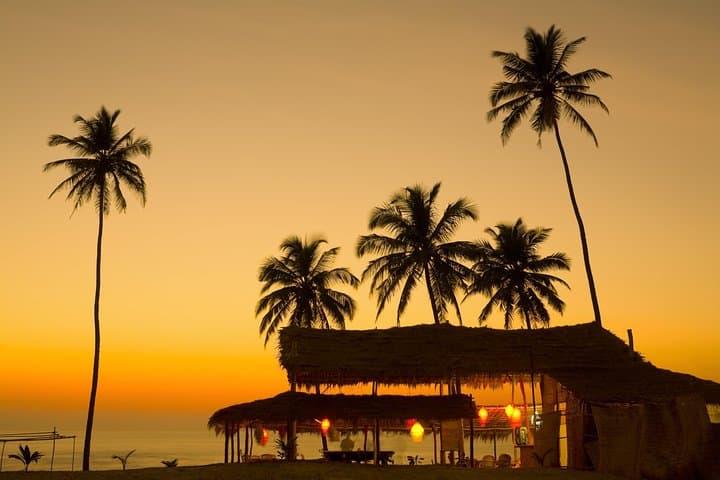
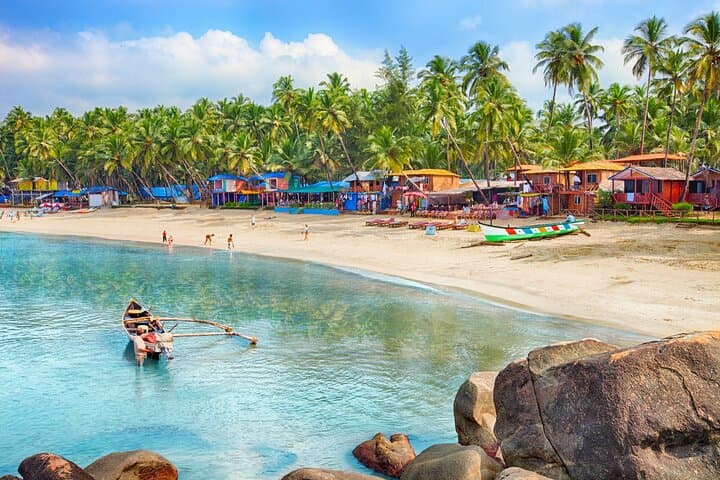
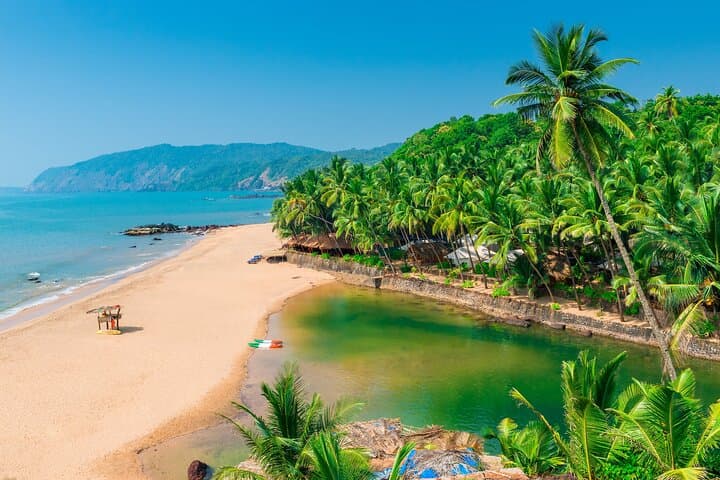
You arrive where the coast and colonial past meet: palms lean over hot sand, the sea dares you closer with a steady, glittering pull, and the late-afternoon light gilds red-tiled roofs in Panaji’s Latin quarter.
Verified experiences and guided adventures in the surrounding area.
Operated by BOUT INDIA TOURS · Panaji, Goa
You arrive where the coast and colonial past meet: palms lean over hot sand, the sea dares you closer with a steady, glittering pull, and the late-afternoon light gilds red-tiled roofs in Panaji’s Latin quarter.
This four-day itinerary pairs slow beach days with compact cultural immersion. Start with North Goa’s lively shorelines—Calangute and Candolim offer wide sands and seaside cafes—then trade surf for stone in Old Goa, where 16th–17th century Portuguese ecclesiastical architecture (Sé Cathedral, Basilica of Bom Jesus) reflects the state’s colonial chapter. The geology shifts from coastal sands to laterite and basalt of the Western Ghats’ fringe; small estuaries and tidal creeks feed a bird-rich coastline where sea eagles and kingfishers hunt.
Fontainhas in Panaji presents narrow lanes, color-washed houses, and a living cultural snapshot of Goa’s Indo-Portuguese life. Local flavors—spice-driven vindaloo, fresh seafood, and cashew-feni—anchor evenings.
Practically: the program uses private transfers and short walking tours, so bring low-profile walking shoes and a light daypack. Plan beach time for morning or late afternoon to avoid midday sun; monsoon (June–Sept) brings heavy rains and rough seas, while November–February is peak, drier and cooler.
Accessibility is good in main towns and the listed hotels; cobbled streets in heritage areas can be uneven. Hydrate, use reef-safe sunscreen, and carry insect repellent for mangrove walks. In four days you’ll taste Goa’s coast, history, and easygoing rhythms—enough to leave you planning a longer return.
easy.
4 days.
Suitable for most fitness levels; requires short walks up to a few kilometers and easy beach walking
Yes; the itinerary is low-impact with hotel stays, gentle walks, and private transfers—children under five are often complimentary but check booking terms.
Many beaches are swimmable, but conditions vary—avoid swimming during monsoon months and follow local flags and lifeguard advice.
Carry a light cover-up or scarf to cover shoulders and knees when entering churches and religious sites.
November through February offers the most comfortable weather—dry, cooler, and ideal for beach time and walking tours.
Goa was a Portuguese colony for over 450 years; its churches and Latin quarter reflect that colonial and religious history.
Coastal development and tourism pressure affect dunes and mangroves—use marked paths, avoid disturbing nesting birds, and prefer reef-safe sunscreen.
BOUT INDIA TOURS operates guided outdoor trips and adventures with an emphasis on safety, stewardship, and memorable experiences.
You arrive where the coast and colonial past meet: palms lean over hot sand, the sea dares you closer with a steady, glittering pull, and the late-afternoon light gilds red-tiled roofs in Panaji’s Latin quarter.
You arrive where the coast and colonial past meet: palms lean over hot sand, the sea dares you closer with a steady, glittering pull, and the late-afternoon light gilds red-tiled roofs in Panaji’s Latin quarter.
This four-day itinerary pairs slow beach days with compact cultural immersion. Start with North Goa’s lively shorelines—Calangute and Candolim offer wide sands and seaside cafes—then trade surf for stone in Old Goa, where 16th–17th century Portuguese ecclesiastical architecture (Sé Cathedral, Basilica of Bom Jesus) reflects the state’s colonial chapter. The geology shifts from coastal sands to laterite and basalt of the Western Ghats’ fringe; small estuaries and tidal creeks feed a bird-rich coastline where sea eagles and kingfishers hunt.
Fontainhas in Panaji presents narrow lanes, color-washed houses, and a living cultural snapshot of Goa’s Indo-Portuguese life. Local flavors—spice-driven vindaloo, fresh seafood, and cashew-feni—anchor evenings.
Practically: the program uses private transfers and short walking tours, so bring low-profile walking shoes and a light daypack. Plan beach time for morning or late afternoon to avoid midday sun; monsoon (June–Sept) brings heavy rains and rough seas, while November–February is peak, drier and cooler.
Accessibility is good in main towns and the listed hotels; cobbled streets in heritage areas can be uneven. Hydrate, use reef-safe sunscreen, and carry insect repellent for mangrove walks. In four days you’ll taste Goa’s coast, history, and easygoing rhythms—enough to leave you planning a longer return.