THE ADVENTURE COLLECTIVE® · Independent discovery and booking for outdoor travel

This full-day private tour from Panaji links Harvalem Waterfall, Pandava Caves, Tambdi Surla Temple and a working spice plantation into a single, manageable outing. Expect short walks, local history, and a buffet lunch with optional low-impact adventure activities at the plantation.
This full-day private tour from Panaji links Harvalem Waterfall, Pandava Caves, Tambdi Surla Temple and a working spice plantation into a single, manageable outing. Expect short walks, local history, and a buffet lunch with optional low-impact adventure activities at the plantation.
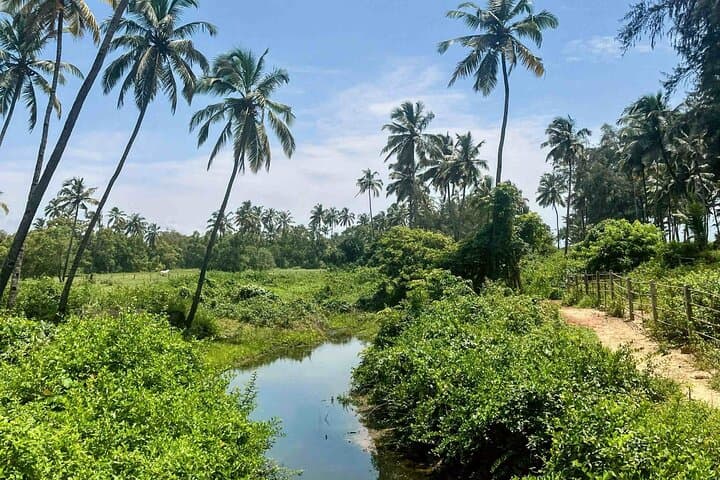
A humid morning drive out of Panaji unfolds through patchwork paddy fields and laterite hills until the road dips toward Harvalem (Arvalem) Falls. The cascade greets visitors with a steady curtain of water that dares you to pause; nearby pools reflect cracked basalt and a canopy that leans close.
Verified experiences and guided adventures in the surrounding area.
Operated by Sun Leisure World India · Panaji, Goa
A humid morning drive out of Panaji unfolds through patchwork paddy fields and laterite hills until the road dips toward Harvalem (Arvalem) Falls. The cascade greets visitors with a steady curtain of water that dares you to pause; nearby pools reflect cracked basalt and a canopy that leans close.
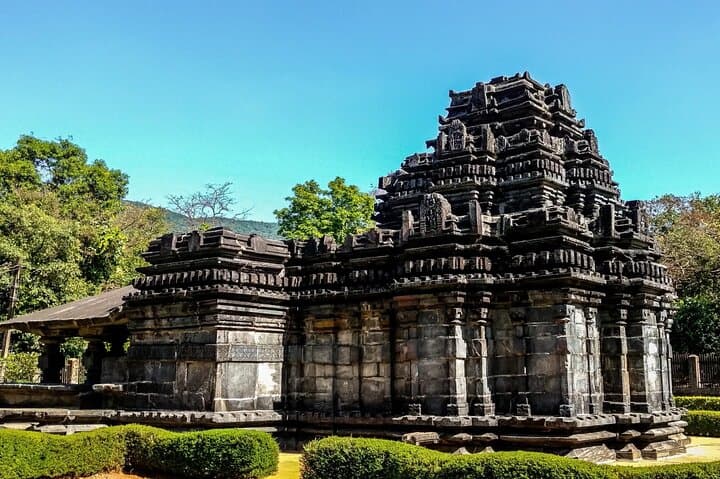
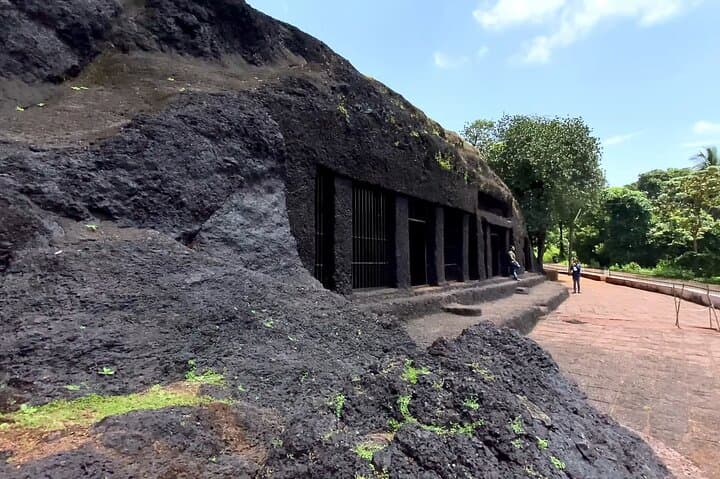
The route stitches together distinct threads of Goa’s past. The Pandava Caves—rock-cut chambers with folklore linking them to the Mahabharata—offer a compact glimpse of ancient stone work. Tambdi Surla Temple, carved in basalt in the 12th century by Kadamba-era artisans, sits in a small forest clearing where moss and pilgrimage meet. Geologically the region is Deccan basalt overlain by laterite soils; the waterfalls and shaded valleys are most dramatic after monsoon swells.
A spice plantation visit peels back the island’s culinary history—black pepper vines, cinnamon bark, and cardamom clumps grow where Portuguese trade once shaped local agriculture. The tour commonly includes an unlimited buffet lunch and optional low-impact adventure activities (zipline, giant swing, high ropes) at the plantation.
Practically: expect a full 10–11 hour day with private hotel pickup and returned drop-off. Walks are short but can be on uneven, wet stone near the falls and temple steps; bring sturdy shoes, sun protection, and a refillable water bottle. Best months are November–February for drier skies and cooler mornings. Respect temple etiquette (modest clothing, quiet) and avoid single-use plastics—these sites are public and fragile, best enjoyed when left clean for the next traveler.
easy.
10–11 hours.
Suitable for most travelers comfortable with light walking and short climbs; not strenuous but involves uneven terrain.
This is a full-day tour of about 10–11 hours with private hotel pickup and drop-off, a spice plantation visit, buffet lunch, and entrance to listed sites; some adventure activities at the plantation are optional and may cost extra.
No—the main walk to viewing areas is short; however, surfaces can be slippery and there are steps, so stable footwear is recommended.
The caves are local historic rock-cut chambers with strong folkloric ties to the Mahabharata; they are archaeological curiosities but not formally dated to that epic.
Yes, but expect heavier rainfall, swollen streams and limited visibility at viewpoints; some activities may be paused for safety.
Tambdi Surla Temple is a 12th-century Kadamba-style Shiva temple carved from basalt; Pandava Caves carry local legends linking them to the Mahabharata period.
The region’s riparian zones and spice gardens are vulnerable to litter and off-trail erosion—stay on paths, avoid single-use plastics, and support plantations that practice sustainable harvesting.
Sun Leisure World India operates guided outdoor trips and adventures with an emphasis on safety, stewardship, and memorable experiences.
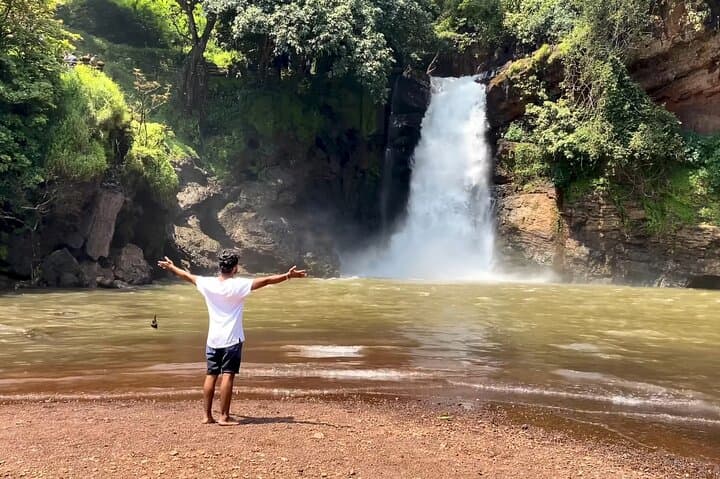
A humid morning drive out of Panaji unfolds through patchwork paddy fields and laterite hills until the road dips toward Harvalem (Arvalem) Falls. The cascade greets visitors with a steady curtain of water that dares you to pause; nearby pools reflect cracked basalt and a canopy that leans close.
A humid morning drive out of Panaji unfolds through patchwork paddy fields and laterite hills until the road dips toward Harvalem (Arvalem) Falls. The cascade greets visitors with a steady curtain of water that dares you to pause; nearby pools reflect cracked basalt and a canopy that leans close.
The route stitches together distinct threads of Goa’s past. The Pandava Caves—rock-cut chambers with folklore linking them to the Mahabharata—offer a compact glimpse of ancient stone work. Tambdi Surla Temple, carved in basalt in the 12th century by Kadamba-era artisans, sits in a small forest clearing where moss and pilgrimage meet. Geologically the region is Deccan basalt overlain by laterite soils; the waterfalls and shaded valleys are most dramatic after monsoon swells.
A spice plantation visit peels back the island’s culinary history—black pepper vines, cinnamon bark, and cardamom clumps grow where Portuguese trade once shaped local agriculture. The tour commonly includes an unlimited buffet lunch and optional low-impact adventure activities (zipline, giant swing, high ropes) at the plantation.
Practically: expect a full 10–11 hour day with private hotel pickup and returned drop-off. Walks are short but can be on uneven, wet stone near the falls and temple steps; bring sturdy shoes, sun protection, and a refillable water bottle. Best months are November–February for drier skies and cooler mornings. Respect temple etiquette (modest clothing, quiet) and avoid single-use plastics—these sites are public and fragile, best enjoyed when left clean for the next traveler.