THE ADVENTURE COLLECTIVE® · Independent discovery and booking for outdoor travel

Trade heavy fins for electric glide and cover more reef in less time on Aruba’s SEABOB tour. Expect crystal visibility, friendly turtles, and shallow elkhorn gardens at Arashi, Boca Catalina and Tres Trapi.
Trade heavy fins for electric glide and cover more reef in less time on Aruba’s SEABOB tour. Expect crystal visibility, friendly turtles, and shallow elkhorn gardens at Arashi, Boca Catalina and Tres Trapi.
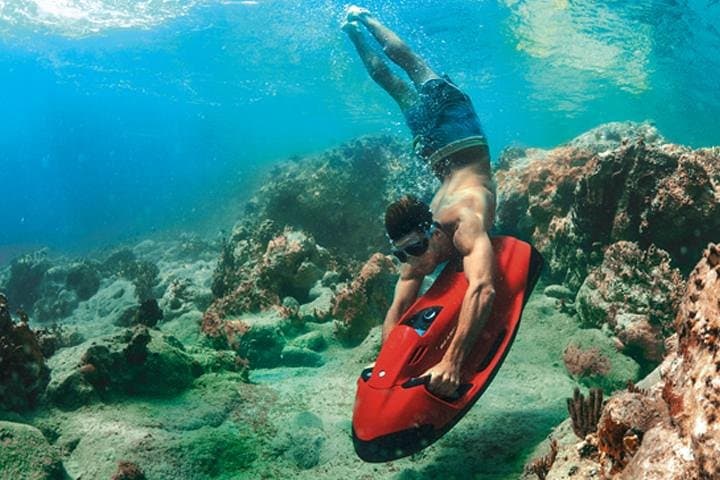
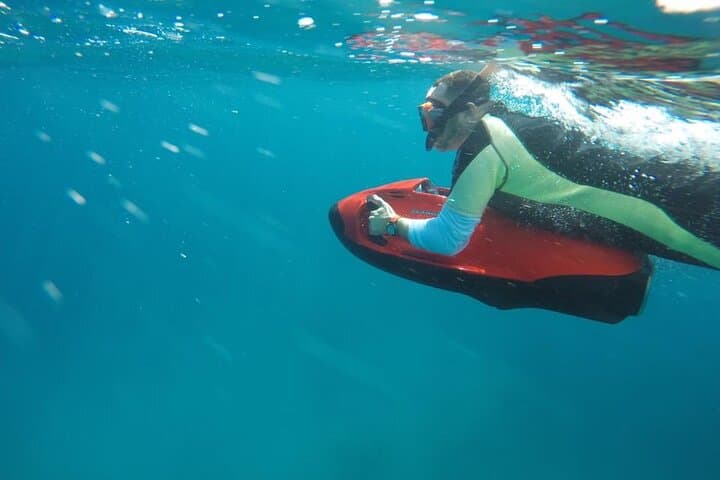
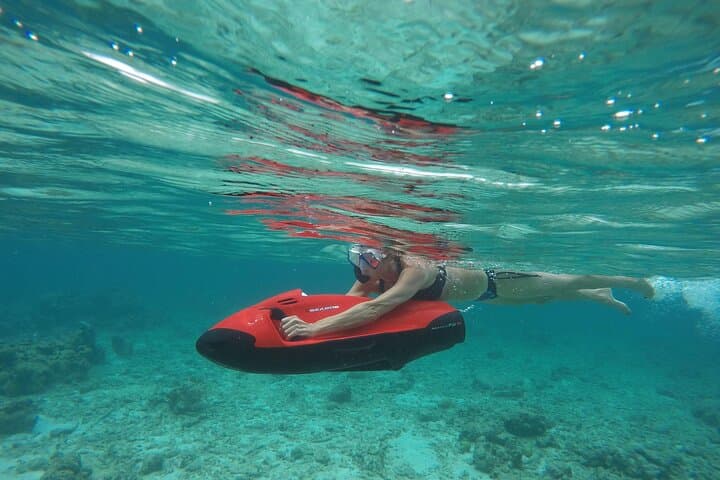
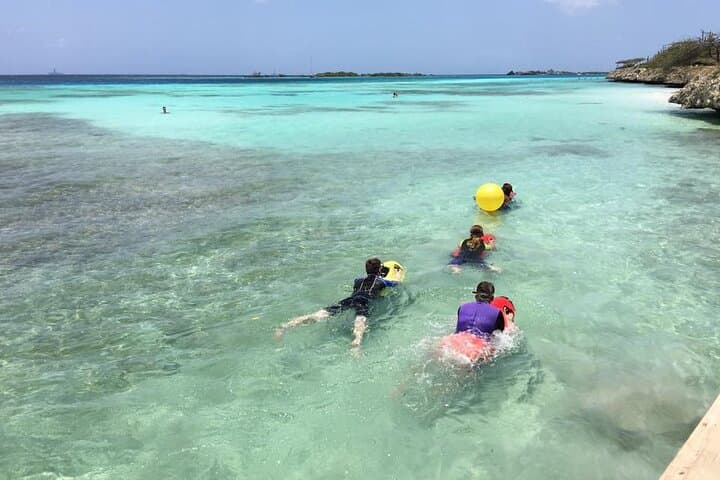
You kick off from a powder-white strip of Arashi Beach, the Atlantic shrugging off the heat and laying glassy lanes of turquoise ahead. A guide straps you into a SEABOB F5 S and, with a gentle push of the throttle, you’re no longer relying on fin kicks—now the reef decides the pace. The craft hums; your view drops through impossibly clear water to a forest of staghorn and elkhorn coral, fish darting like punctuation marks, and the white sand floor dotted with red cushion starfish that seem to lounge without a care.
Verified experiences and guided adventures in the surrounding area.
Operated by Segway Aruba · Noord, Aruba
You kick off from a powder-white strip of Arashi Beach, the Atlantic shrugging off the heat and laying glassy lanes of turquoise ahead. A guide straps you into a SEABOB F5 S and, with a gentle push of the throttle, you’re no longer relying on fin kicks—now the reef decides the pace. The craft hums; your view drops through impossibly clear water to a forest of staghorn and elkhorn coral, fish darting like punctuation marks, and the white sand floor dotted with red cushion starfish that seem to lounge without a care.
The north coast around Arashi and Boca Catalina is carved from Pleistocene limestone and shaped by persistent trade winds. Coral growth here has built up over millennia into shallow gardens that attract turtles, rays, and the colorful reef fish that tourists travel to see. Aruba’s relationship with the sea is practical and cultural—a fishing heritage and a tourism economy built on predictable winds, warm water, and visibility that can exceed 30 feet.
A SEABOB changes the dynamic: instead of staying anchored to a single cove, you cover more reef in an hour, slipping low over elkhorn thickets and pausing where turtles graze. Guides are trained not just in operation but in reef etiquette—approach slowly, no touching, and position yourself so the animals can choose proximity.
Conservation is visible in the details: marked swim corridors, instructions to use reef-safe sunscreen, and local groups monitoring turtle nesting. Coral here is resilient in some pockets but still vulnerable to warming and pollution, so the tour’s emphasis on minimal contact helps protect what you came to see.
Practical edge: the tour lasts about 60 minutes and is suitable for most fitness levels—if you can swim and follow a short safety briefing, you’ll be fine. Morning departures are calmer; late afternoon brings more wind and chop. Bring reef-safe SPF, a compact waterproof camera or action cam with a wide lens, and a light rash guard to avoid sunburn. The SEABOB carries you, but expect to get in and out of shallow water and step off a beach or small skiff. Mobility accessibility is good; operators report wheelchair- and stroller-friendly options for parts of the experience, though check specifics when booking.
For photographers, the clarity and low angle of the SEABOB make close-up shots of turtle behavior and coral fan textures possible without disturbing the scene. For first-timers, the thrill is simple: the ocean feels less like something to endure and more like a playground you can glide through, eyes on the reef below and the horizon ahead.
easy.
1 hour.
Basic swimming ability and comfort in open water; minimal physical exertion required.
No advanced snorkeling skills are required—operators provide a brief safety and equipment orientation and SEABOB operation is straightforward with guide supervision.
Yes—Tres Trapi and nearby reefs are regular turtle hangouts, though wildlife sightings can never be guaranteed.
Children can participate but must be accompanied by an adult; age and weight limits for SEABOB operation vary—check with the operator.
A swimsuit, rash guard, and reef-safe sunscreen; bring a towel and light cover-up for the ride to and from the beach.
Yes—small waterproof cameras and action cams are ideal; avoid flash near coral and animals to reduce stress.
Tours are canceled in inclement weather for safety; the operator will refund if you cancel at least 24 hours before departure.
Aruba’s reefs grew on Pleistocene limestone and have supported local fishing communities for generations; tourism shifted the economy toward marine experiences from the mid-20th century onward.
Operators emphasize reef-safe sunscreen and no-touch policies; local NGOs monitor nesting turtles and coral health to reduce tourism impact.
Segway Aruba operates guided outdoor trips and adventures with an emphasis on safety, stewardship, and memorable experiences.
You kick off from a powder-white strip of Arashi Beach, the Atlantic shrugging off the heat and laying glassy lanes of turquoise ahead. A guide straps you into a SEABOB F5 S and, with a gentle push of the throttle, you’re no longer relying on fin kicks—now the reef decides the pace. The craft hums; your view drops through impossibly clear water to a forest of staghorn and elkhorn coral, fish darting like punctuation marks, and the white sand floor dotted with red cushion starfish that seem to lounge without a care.
You kick off from a powder-white strip of Arashi Beach, the Atlantic shrugging off the heat and laying glassy lanes of turquoise ahead. A guide straps you into a SEABOB F5 S and, with a gentle push of the throttle, you’re no longer relying on fin kicks—now the reef decides the pace. The craft hums; your view drops through impossibly clear water to a forest of staghorn and elkhorn coral, fish darting like punctuation marks, and the white sand floor dotted with red cushion starfish that seem to lounge without a care.
The north coast around Arashi and Boca Catalina is carved from Pleistocene limestone and shaped by persistent trade winds. Coral growth here has built up over millennia into shallow gardens that attract turtles, rays, and the colorful reef fish that tourists travel to see. Aruba’s relationship with the sea is practical and cultural—a fishing heritage and a tourism economy built on predictable winds, warm water, and visibility that can exceed 30 feet.
A SEABOB changes the dynamic: instead of staying anchored to a single cove, you cover more reef in an hour, slipping low over elkhorn thickets and pausing where turtles graze. Guides are trained not just in operation but in reef etiquette—approach slowly, no touching, and position yourself so the animals can choose proximity.
Conservation is visible in the details: marked swim corridors, instructions to use reef-safe sunscreen, and local groups monitoring turtle nesting. Coral here is resilient in some pockets but still vulnerable to warming and pollution, so the tour’s emphasis on minimal contact helps protect what you came to see.
Practical edge: the tour lasts about 60 minutes and is suitable for most fitness levels—if you can swim and follow a short safety briefing, you’ll be fine. Morning departures are calmer; late afternoon brings more wind and chop. Bring reef-safe SPF, a compact waterproof camera or action cam with a wide lens, and a light rash guard to avoid sunburn. The SEABOB carries you, but expect to get in and out of shallow water and step off a beach or small skiff. Mobility accessibility is good; operators report wheelchair- and stroller-friendly options for parts of the experience, though check specifics when booking.
For photographers, the clarity and low angle of the SEABOB make close-up shots of turtle behavior and coral fan textures possible without disturbing the scene. For first-timers, the thrill is simple: the ocean feels less like something to endure and more like a playground you can glide through, eyes on the reef below and the horizon ahead.