THE ADVENTURE COLLECTIVE® · Independent discovery and booking for outdoor travel

See Rome’s central sights without long walks on this semi-private golf cart tour. Small groups, flexible stops, and a local guide make it an easy, fast way to orient yourself in the Eternal City.
See Rome’s central sights without long walks on this semi-private golf cart tour. Small groups, flexible stops, and a local guide make it an easy, fast way to orient yourself in the Eternal City.
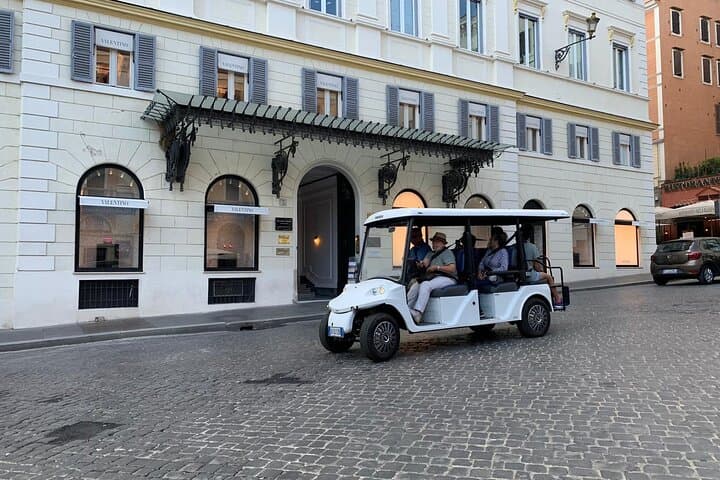
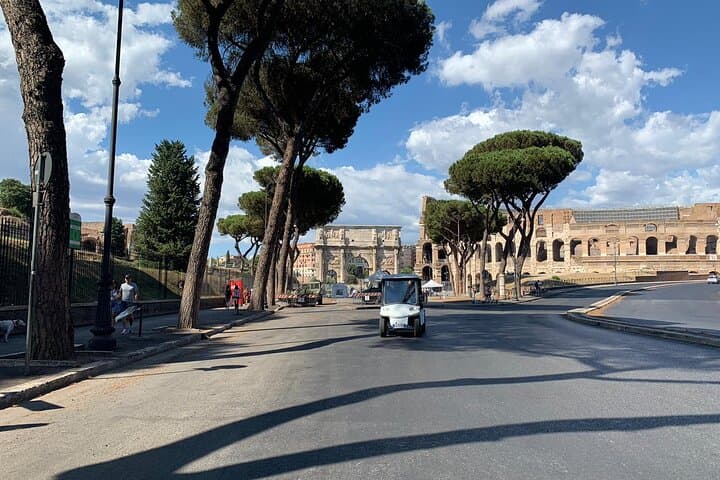
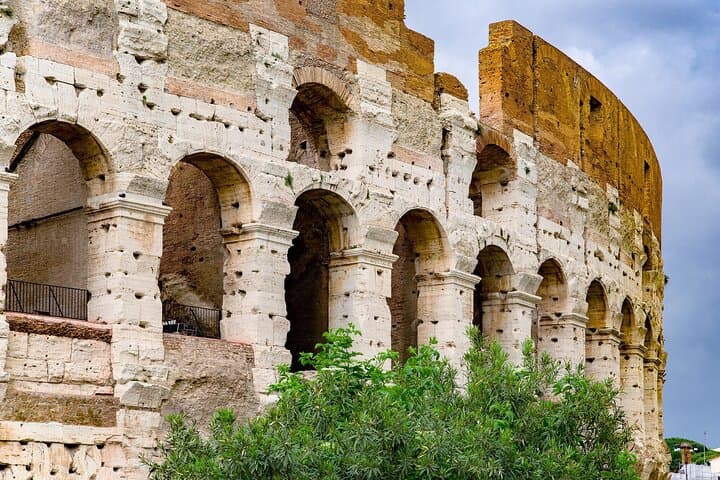
The clack of cobblestones softens as the little golf cart eases around a corner and Rome unfolds — the Colosseum’s weathered arches peering past olive trees, a fountain’s spray catching late-afternoon light. Riders sit forward; the guide fills the pauses with dates, scandals, and the odd local superstition while the city’s layers slide by.
Verified experiences and guided adventures in the surrounding area.
Operated by Tours of Rome · Rome, Lazio
The clack of cobblestones softens as the little golf cart eases around a corner and Rome unfolds — the Colosseum’s weathered arches peering past olive trees, a fountain’s spray catching late-afternoon light. Riders sit forward; the guide fills the pauses with dates, scandals, and the odd local superstition while the city’s layers slide by.
This route threads through central Rome’s living history: Circus Maximus’s flattened green where chariots once thundered, the Bocca della Verità’s carved face, and Piazza Venezia’s Vittoriano rising in white marble. Geologically, you’ll notice travertine and tufa clinging to terraces and hills — the city built from local stone quarried since antiquity. Culturally, the pace is conversational: espresso stops, gelato counters, and piazza life inform the tour as much as monuments.
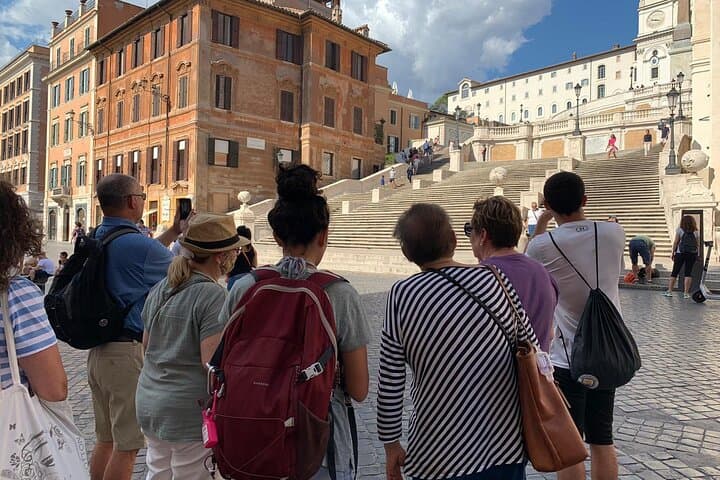
Practical realities matter. Groups are small (max six), so photos and short stops are part of the rhythm; the ride covers roughly 8–12 city blocks over two to three hours depending on traffic and chosen stops. The tour keeps to streets where carts are allowed and avoids pedestrian-only zones; guides handle permits and parking logistics.
Bring a charged phone for photos, a light layer for breeze through open windows, and a printed or mobile ticket. Plan this on your first or second day in Rome to gain orientation and locals’ tips for quieter times at major sites. Above all, move with the city’s tempo: attentive, curious, and respectful of fragile ancient fabric.
easy.
2–3 hours.
Minimal fitness required; suitable for travelers comfortable sitting for up to three hours with short standing photo stops.
The tour runs about 2 to 3 hours, depending on traffic and how many stops you take for photos or viewpoints.
Admission is not included; the itinerary focuses on guided exterior stops and short onsite explanations—entry into museums or the Colosseum requires separate tickets.
Carts are low-impact and suitable for most mobility levels, but contact the operator ahead of time to confirm accessibility and any transfer assistance required.
Guides are typically local and operate in the advertised language; check the booking page or request an English-speaking guide when you reserve.
Rome’s central districts layer Republican and Imperial ruins with medieval and Baroque additions; many grand facades use travertine quarried from nearby hills and rebuilt over centuries.
Operators encourage low-impact visits: stay on designated paths, avoid touching ancient stonework, and support local businesses to help preserve neighborhoods and reduce overtourism.
Tours of Rome operates guided outdoor trips and adventures with an emphasis on safety, stewardship, and memorable experiences.
The clack of cobblestones softens as the little golf cart eases around a corner and Rome unfolds — the Colosseum’s weathered arches peering past olive trees, a fountain’s spray catching late-afternoon light. Riders sit forward; the guide fills the pauses with dates, scandals, and the odd local superstition while the city’s layers slide by.
The clack of cobblestones softens as the little golf cart eases around a corner and Rome unfolds — the Colosseum’s weathered arches peering past olive trees, a fountain’s spray catching late-afternoon light. Riders sit forward; the guide fills the pauses with dates, scandals, and the odd local superstition while the city’s layers slide by.
This route threads through central Rome’s living history: Circus Maximus’s flattened green where chariots once thundered, the Bocca della Verità’s carved face, and Piazza Venezia’s Vittoriano rising in white marble. Geologically, you’ll notice travertine and tufa clinging to terraces and hills — the city built from local stone quarried since antiquity. Culturally, the pace is conversational: espresso stops, gelato counters, and piazza life inform the tour as much as monuments.
Practical realities matter. Groups are small (max six), so photos and short stops are part of the rhythm; the ride covers roughly 8–12 city blocks over two to three hours depending on traffic and chosen stops. The tour keeps to streets where carts are allowed and avoids pedestrian-only zones; guides handle permits and parking logistics.
Bring a charged phone for photos, a light layer for breeze through open windows, and a printed or mobile ticket. Plan this on your first or second day in Rome to gain orientation and locals’ tips for quieter times at major sites. Above all, move with the city’s tempo: attentive, curious, and respectful of fragile ancient fabric.