THE ADVENTURE COLLECTIVE® · Independent discovery and booking for outdoor travel

Glide the historic Hamilton Canal from Negombo and trade beach bustle for narrow mangrove corridors, birdlife-rich banks and colonial-era engineering. This two-hour private boat tour blends wildlife watching with cultural snapshots along one of Sri Lanka’s oldest waterways.
Glide the historic Hamilton Canal from Negombo and trade beach bustle for narrow mangrove corridors, birdlife-rich banks and colonial-era engineering. This two-hour private boat tour blends wildlife watching with cultural snapshots along one of Sri Lanka’s oldest waterways.
The boat slips free from Negombo’s jetty and the canal shoulders the town’s noise into a low, distant hum. Mangroves lean close as if to listen, kingfishers flash like thrown coins, and the waterway — cut by Dutch engineers in the 19th century — threads through rice paddies, village banks and tidal lagoons.
Verified experiences and guided adventures in the surrounding area.
Operated by Lakpura LLC · Negombo, Western Province
The boat slips free from Negombo’s jetty and the canal shoulders the town’s noise into a low, distant hum. Mangroves lean close as if to listen, kingfishers flash like thrown coins, and the waterway — cut by Dutch engineers in the 19th century — threads through rice paddies, village banks and tidal lagoons.
Built to link Colombo with the island’s northern lagoons, the Hamilton (Dutch) Canal cuts through reclaimed wetlands and coastal plain sediments; its banks reveal shell-rich soils and mangrove peat. The region’s history is visible in canal locks, ferry points and the mix of Portuguese, Dutch and British place names. Local fishing communities still rely on the canal for transport and livelihood, and small roadside temples mark where villagers gather.
Expect two hours of low-speed cruising with close wildlife viewing: waders probe the shallows, Brahminy kites circle thermals, and water monitors sun on fallen roots. Guides point out local uses of nipa palms and traditional boat-building spots, adding cultural context as you pass modest homes and toddy palms.
Practical notes: morning or late-afternoon departures offer calmer water and cooler light. Bring sun protection, insect repellent and a small pair of binoculars; boats are stable but wear non-slip shoes. The operator provides bottled water and a safety-equipped boat with a trained first aider. If monsoon winds pick up, expect chop and a possible reschedule.
This is an accessible, low-impact way to read Sri Lanka’s coastal landscape — part natural history lesson, part living cultural snapshot — suitable for travelers who want wildlife, history and calm cruising rolled into one compact outing.
easy.
2 hours.
Suitable for all fitness levels; minimal mobility required for boarding.
The tour runs about 2 hours with hotel pick-up and drop-off in the Negombo area included.
Yes—the route passes mangroves and shallow lagoons where you can see kingfishers, waders, Brahminy kites and water monitors.
Yes—the operator provides a qualified first aider, basic safety equipment and bottled water for each guest.
Operators typically proceed in light rain but may reschedule if conditions make navigation unsafe; check cancellation terms for a full refund window.
The Hamilton (Dutch) Canal was expanded under Dutch and later British colonial administrations to move goods and connect coastal lagoons, shaping settlement and trade patterns along the west coast.
Mangroves along the canal are vital for coastal protection and bird habitat; visitors should avoid disturbing vegetation and follow guide instructions to reduce disturbance.
Lakpura LLC operates guided outdoor trips and adventures with an emphasis on safety, stewardship, and memorable experiences.
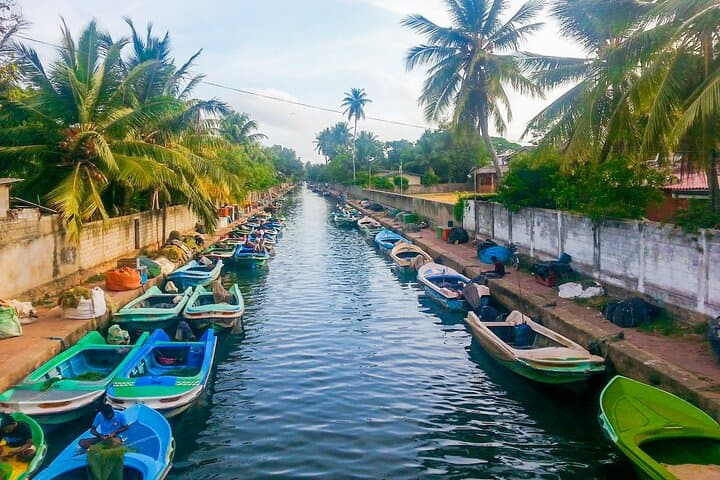
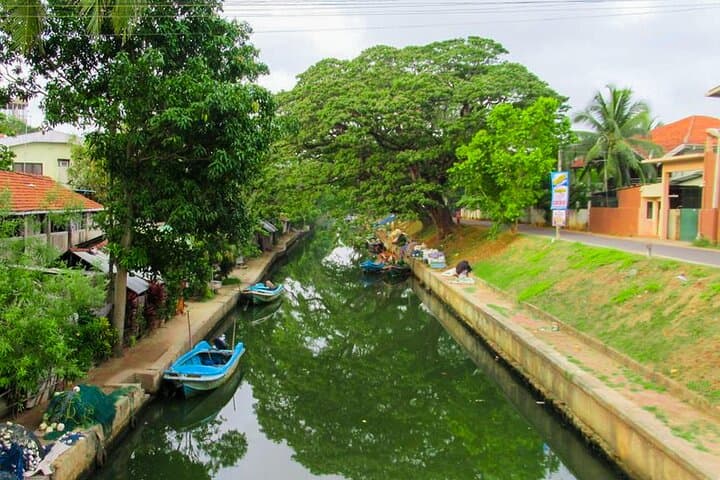
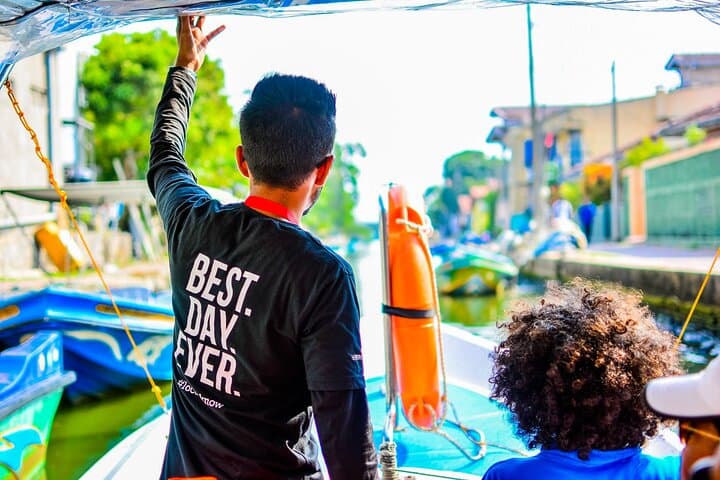
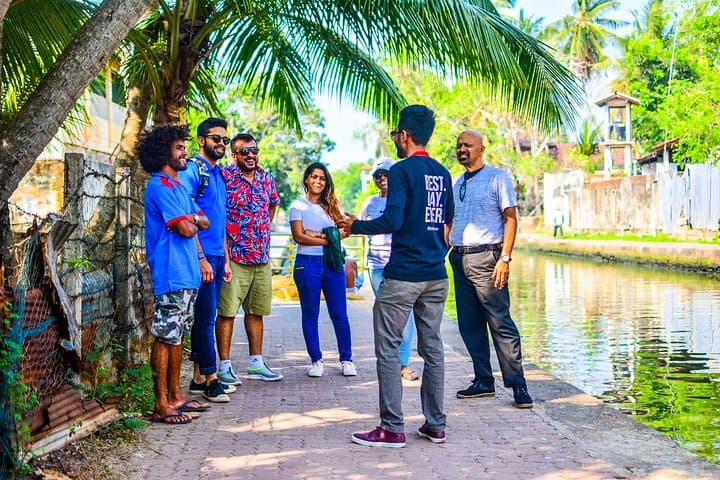
The boat slips free from Negombo’s jetty and the canal shoulders the town’s noise into a low, distant hum. Mangroves lean close as if to listen, kingfishers flash like thrown coins, and the waterway — cut by Dutch engineers in the 19th century — threads through rice paddies, village banks and tidal lagoons.
The boat slips free from Negombo’s jetty and the canal shoulders the town’s noise into a low, distant hum. Mangroves lean close as if to listen, kingfishers flash like thrown coins, and the waterway — cut by Dutch engineers in the 19th century — threads through rice paddies, village banks and tidal lagoons.
Built to link Colombo with the island’s northern lagoons, the Hamilton (Dutch) Canal cuts through reclaimed wetlands and coastal plain sediments; its banks reveal shell-rich soils and mangrove peat. The region’s history is visible in canal locks, ferry points and the mix of Portuguese, Dutch and British place names. Local fishing communities still rely on the canal for transport and livelihood, and small roadside temples mark where villagers gather.
Expect two hours of low-speed cruising with close wildlife viewing: waders probe the shallows, Brahminy kites circle thermals, and water monitors sun on fallen roots. Guides point out local uses of nipa palms and traditional boat-building spots, adding cultural context as you pass modest homes and toddy palms.
Practical notes: morning or late-afternoon departures offer calmer water and cooler light. Bring sun protection, insect repellent and a small pair of binoculars; boats are stable but wear non-slip shoes. The operator provides bottled water and a safety-equipped boat with a trained first aider. If monsoon winds pick up, expect chop and a possible reschedule.
This is an accessible, low-impact way to read Sri Lanka’s coastal landscape — part natural history lesson, part living cultural snapshot — suitable for travelers who want wildlife, history and calm cruising rolled into one compact outing.