THE ADVENTURE COLLECTIVE® · Independent discovery and booking for outdoor travel

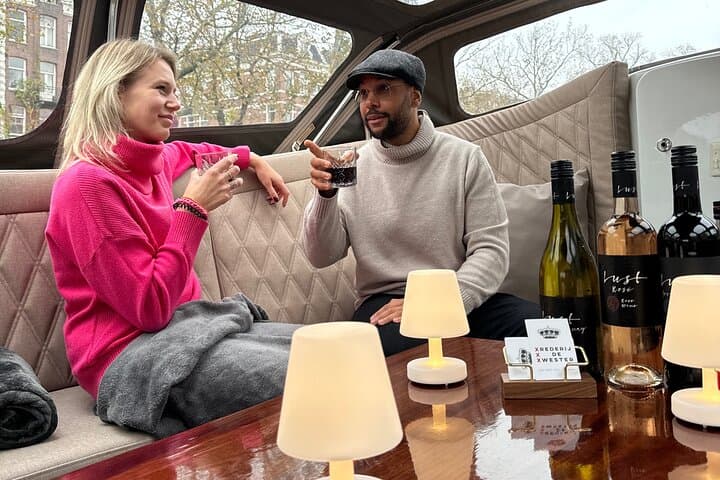
Step aboard a comfortable sloop at Keizersgracht for a 2-hour guided canal cruise through Amsterdam’s canal ring—complete with Dutch snacks, an open bar, and close-up views of the city’s Golden Age landmarks. Ideal for photographers and first-time visitors.
Step aboard a comfortable sloop at Keizersgracht for a 2-hour guided canal cruise through Amsterdam’s canal ring—complete with Dutch snacks, an open bar, and close-up views of the city’s Golden Age landmarks. Ideal for photographers and first-time visitors.
The black sloop waits at a narrow wooden jetty on Keizersgracht; the canal breathes and pulls you forward as the boat slips into a ribbon of water framed by gabled houses. Early morning light paints the brick facades while the crew passes around warm croissants and coffee; later departures swap pastries for bitterballen and local jenever as the city hums along the quays.
Verified experiences and guided adventures in the surrounding area.
Operated by Rederij De Wester · Amsterdam, North Holland
The black sloop waits at a narrow wooden jetty on Keizersgracht; the canal breathes and pulls you forward as the boat slips into a ribbon of water framed by gabled houses. Early morning light paints the brick facades while the crew passes around warm croissants and coffee; later departures swap pastries for bitterballen and local jenever as the city hums along the quays.
These canals are products of the 17th‑century Golden Age—engineered rings cut into reclaimed peat and clay, held upright by timber piles and merchant ambition. As you glide past the Jordaan, the Westertoren, and the Anne Frank House, the baroque warehouses and storehouses tell a story of maritime trade; the National Maritime Museum and the East Indiaman offshore recall the routes that fueled Amsterdam’s rise. Geology here is quiet but decisive: soft delta soils and managed water levels shape the city’s architecture and rhythm.
Culture arrives in small things—stroopwafels shared across your lap, the bright clink of glass toasts, a guide’s local anecdotes about houseboats and hidden courtyards. Hortus Botanicus’s greenhouses breathe exotic plants into the urban scene; canals themselves act like veins, carrying history and daily life.
Practical notes: the cruise runs two hours, departs from Keizersgracht 401 (Huis Marseille), and is suitable for most fitness levels. Expect frequent photo stops, an open bar and snacks included, and accessible boarding for many guests. Dress for wind off the water, arrive 10 minutes early, and notify the operator of dietary needs. This is a relaxed, sensory way to read Amsterdam’s past and present from the water.
easy.
2 hours.
Minimal physical exertion; suitable for people who can step up a low boarding platform and remain seated for most of the trip
The pickup is at Keizersgracht 401 in front of Huis Marseille (Museum for Photography); look for a small wooden bench and a black boat at the jetty.
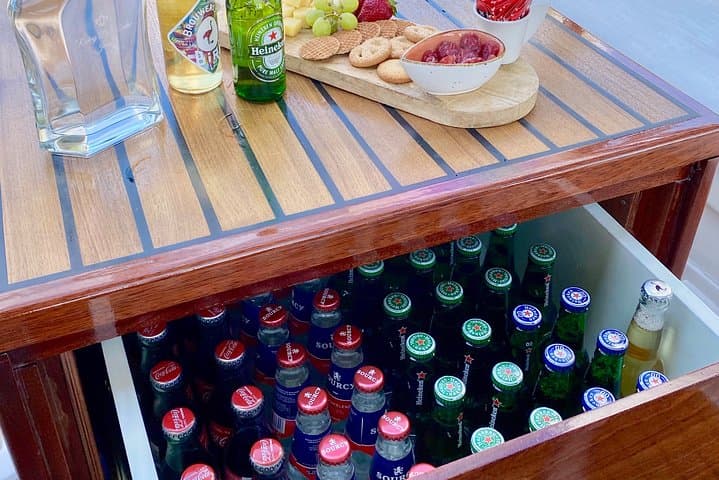
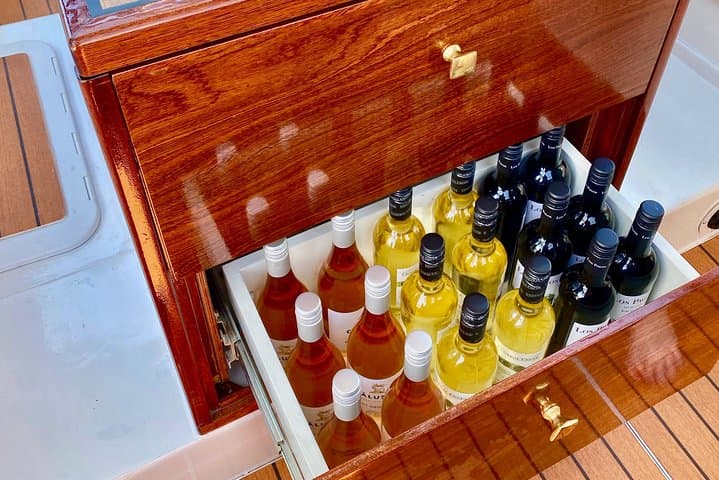
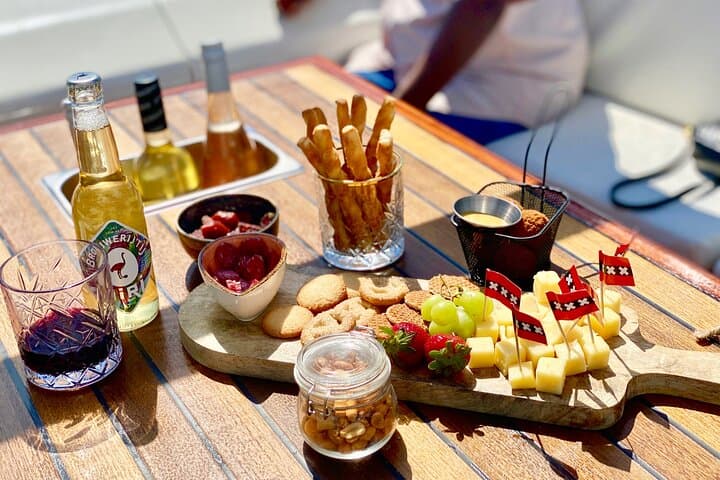
Yes—this cruise includes an open bar with beer, wine, nonalcoholic drinks, jenever, and snacks such as bitterballen, stroopwafels, and cheese; morning departures serve pastries and coffee.
Yes—infants may sit on laps; the tour is family-friendly but keep an eye on small children near the railings and notify the operator of any special needs.
Service animals are allowed; the boat offers accessible boarding for many guests but contact the operator in advance to confirm specific wheelchair accommodations.
Amsterdam’s canal ring was constructed during the 17th‑century Golden Age to manage water and expand trade; many canal houses began as merchant warehouses facing the water.
Canal health depends on managed water levels, responsible boating, and reduced litter—opt for operators who follow local rules and avoid disturbing wildlife.
Rederij De Wester operates guided outdoor trips and adventures with an emphasis on safety, stewardship, and memorable experiences.
The black sloop waits at a narrow wooden jetty on Keizersgracht; the canal breathes and pulls you forward as the boat slips into a ribbon of water framed by gabled houses. Early morning light paints the brick facades while the crew passes around warm croissants and coffee; later departures swap pastries for bitterballen and local jenever as the city hums along the quays.
The black sloop waits at a narrow wooden jetty on Keizersgracht; the canal breathes and pulls you forward as the boat slips into a ribbon of water framed by gabled houses. Early morning light paints the brick facades while the crew passes around warm croissants and coffee; later departures swap pastries for bitterballen and local jenever as the city hums along the quays.
These canals are products of the 17th‑century Golden Age—engineered rings cut into reclaimed peat and clay, held upright by timber piles and merchant ambition. As you glide past the Jordaan, the Westertoren, and the Anne Frank House, the baroque warehouses and storehouses tell a story of maritime trade; the National Maritime Museum and the East Indiaman offshore recall the routes that fueled Amsterdam’s rise. Geology here is quiet but decisive: soft delta soils and managed water levels shape the city’s architecture and rhythm.
Culture arrives in small things—stroopwafels shared across your lap, the bright clink of glass toasts, a guide’s local anecdotes about houseboats and hidden courtyards. Hortus Botanicus’s greenhouses breathe exotic plants into the urban scene; canals themselves act like veins, carrying history and daily life.
Practical notes: the cruise runs two hours, departs from Keizersgracht 401 (Huis Marseille), and is suitable for most fitness levels. Expect frequent photo stops, an open bar and snacks included, and accessible boarding for many guests. Dress for wind off the water, arrive 10 minutes early, and notify the operator of dietary needs. This is a relaxed, sensory way to read Amsterdam’s past and present from the water.