THE ADVENTURE COLLECTIVE® · Independent discovery and booking for outdoor travel

Discover Glen Park and Glen Canyon on a self-guided, GPS-triggered audio walk. This 90-minute tour mixes local history, geology, and quiet urban nature across 70 acres of canyoned open space.
Discover Glen Park and Glen Canyon on a self-guided, GPS-triggered audio walk. This 90-minute tour mixes local history, geology, and quiet urban nature across 70 acres of canyoned open space.
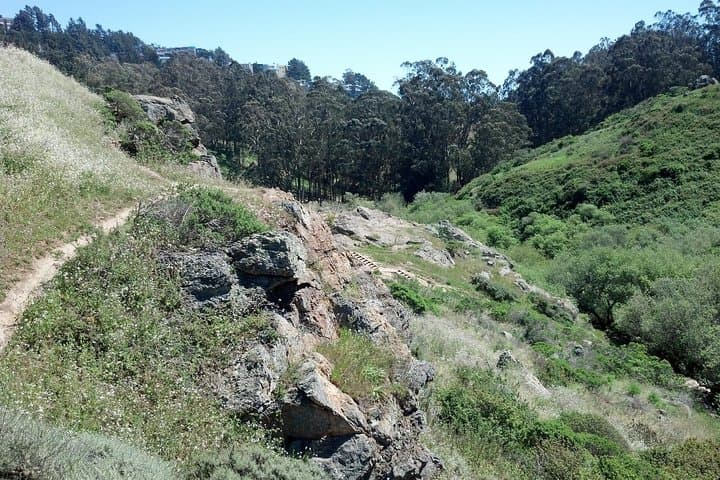
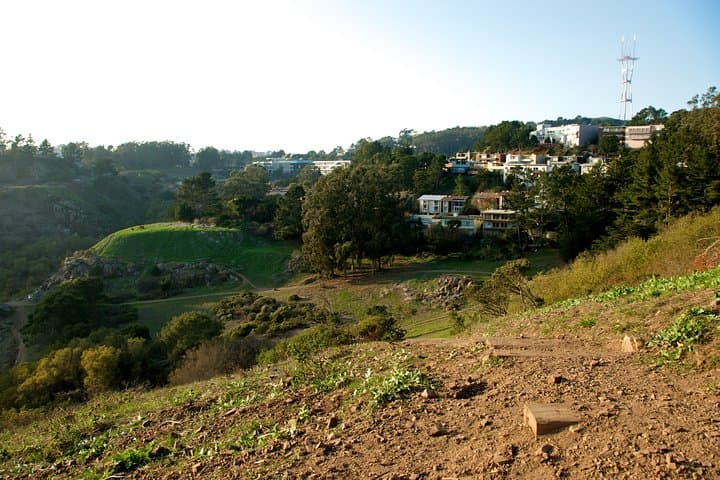
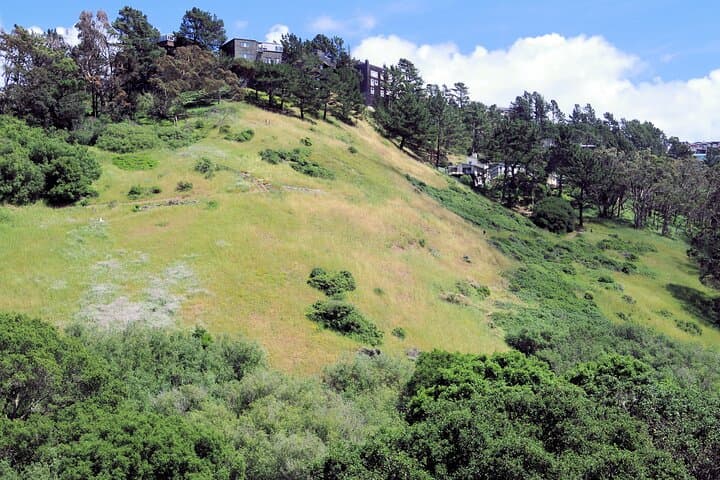
You step off the BART or a Muni bus and the city noise thins; Glen Canyon opens like a pocket of air, the slopes tightening around an urban creekbed. The trail asks you to slow down: joggers pass, a hawk wheels above the eucalyptus, and the canyon floor—part sunlit scrub, part fern-shadowed ravine—feels deliberately wild for being minutes from the Castro and Mission.
Verified experiences and guided adventures in the surrounding area.
Operated by VoiceMap Audio Tours · San Francisco, California
You step off the BART or a Muni bus and the city noise thins; Glen Canyon opens like a pocket of air, the slopes tightening around an urban creekbed. The trail asks you to slow down: joggers pass, a hawk wheels above the eucalyptus, and the canyon floor—part sunlit scrub, part fern-shadowed ravine—feels deliberately wild for being minutes from the Castro and Mission.
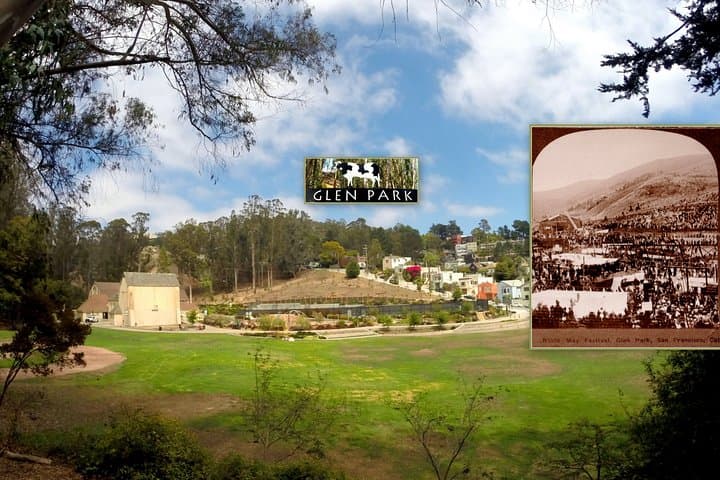
Glen Park and Glen Canyon occupy about 70 acres of open space, 60 of which are a Significant Natural Resource Area. Its layered history runs from 19th-century milch ranches and oddball promotional fairs that once drew crowds, to quieter connections with scientific figures who lived in the neighborhood. Geologically, the canyon cuts through Franciscan Complex bedrock with urban alluvium in the low reaches; you’ll note steep slopes, sandstone outcrops, and terraces where paths accordion up and down.
Culturally, the village of Glen Park has a small commercial strip with bakeries and coffee shops—perfect for a post-walk snack. Local stewardship groups maintain native plantings and trail clearings; you’ll see signs of restoration where oaks and coyote brush are being reintroduced.
Practical guide: the self-guided audio runs about 90 minutes and pairs GPS-triggered narration with turn-by-turn routing. Expect 2–3 miles of walking with roughly 200–350 ft of cumulative elevation gain over mixed dirt singletrack, paved pathways, and stair sections. Download the VoiceMap app and your tour code before you arrive, bring headphones, layered clothing for marine-influenced microclimates, and a refillable water bottle. Start in the village to follow the route as intended and allow extra time to explore side trails and viewpoints.
easy.
1–2 hours.
Suitable for most fitness levels; walkers should be comfortable on uneven terrain and short stair climbs.
Yes—the tour uses GPS triggers and works best when you start at the designated starting point shown in the app so narration lines up with locations.
Yes—download the tour and associated maps in the VoiceMap app before you go to ensure offline playback and routing.
Some sections include stairs and uneven singletrack; while parts of the canyon have paved pathways, the full route is not fully accessible for mobility devices.
Service animals are permitted; check local park rules for pet regulations and leash requirements in specific areas.
Glen Park grew from 19th-century ranching and eccentric promotion events; much of the canyon was later conserved to protect its natural resources.
The canyon is a designated natural resource area—stay on trails, pack out trash, and respect native plant restoration sites to limit erosion and invasive species spread.
VoiceMap Audio Tours operates guided outdoor trips and adventures with an emphasis on safety, stewardship, and memorable experiences.
You step off the BART or a Muni bus and the city noise thins; Glen Canyon opens like a pocket of air, the slopes tightening around an urban creekbed. The trail asks you to slow down: joggers pass, a hawk wheels above the eucalyptus, and the canyon floor—part sunlit scrub, part fern-shadowed ravine—feels deliberately wild for being minutes from the Castro and Mission.
You step off the BART or a Muni bus and the city noise thins; Glen Canyon opens like a pocket of air, the slopes tightening around an urban creekbed. The trail asks you to slow down: joggers pass, a hawk wheels above the eucalyptus, and the canyon floor—part sunlit scrub, part fern-shadowed ravine—feels deliberately wild for being minutes from the Castro and Mission.
Glen Park and Glen Canyon occupy about 70 acres of open space, 60 of which are a Significant Natural Resource Area. Its layered history runs from 19th-century milch ranches and oddball promotional fairs that once drew crowds, to quieter connections with scientific figures who lived in the neighborhood. Geologically, the canyon cuts through Franciscan Complex bedrock with urban alluvium in the low reaches; you’ll note steep slopes, sandstone outcrops, and terraces where paths accordion up and down.
Culturally, the village of Glen Park has a small commercial strip with bakeries and coffee shops—perfect for a post-walk snack. Local stewardship groups maintain native plantings and trail clearings; you’ll see signs of restoration where oaks and coyote brush are being reintroduced.
Practical guide: the self-guided audio runs about 90 minutes and pairs GPS-triggered narration with turn-by-turn routing. Expect 2–3 miles of walking with roughly 200–350 ft of cumulative elevation gain over mixed dirt singletrack, paved pathways, and stair sections. Download the VoiceMap app and your tour code before you arrive, bring headphones, layered clothing for marine-influenced microclimates, and a refillable water bottle. Start in the village to follow the route as intended and allow extra time to explore side trails and viewpoints.