THE ADVENTURE COLLECTIVE® · Independent discovery and booking for outdoor travel

Walk coastal cliffs and a hidden medieval forest on Glavotok with a biologist guiding you through the island’s unique plants and wildlife. This three-hour tour combines easy terrain with in-depth ecological insight and seaside views.
Walk coastal cliffs and a hidden medieval forest on Glavotok with a biologist guiding you through the island’s unique plants and wildlife. This three-hour tour combines easy terrain with in-depth ecological insight and seaside views.
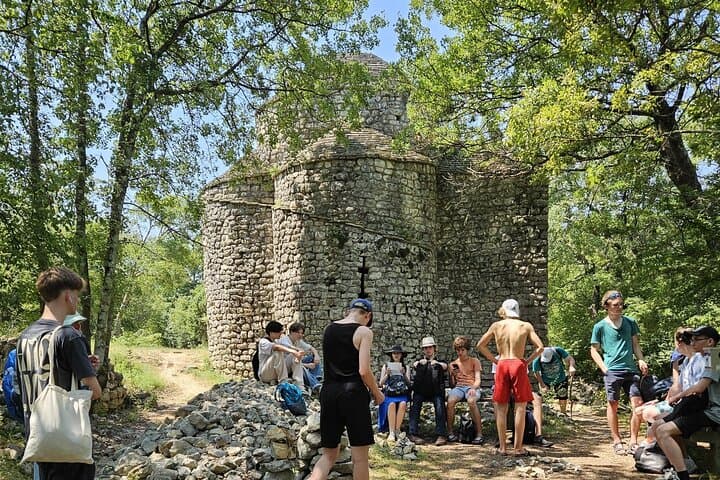
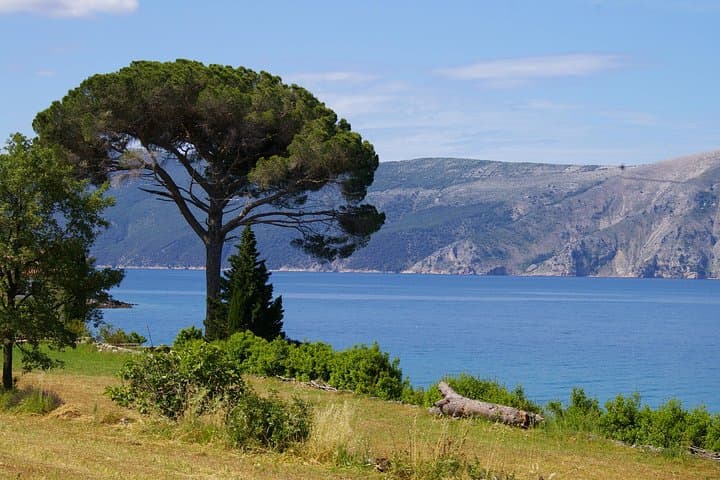
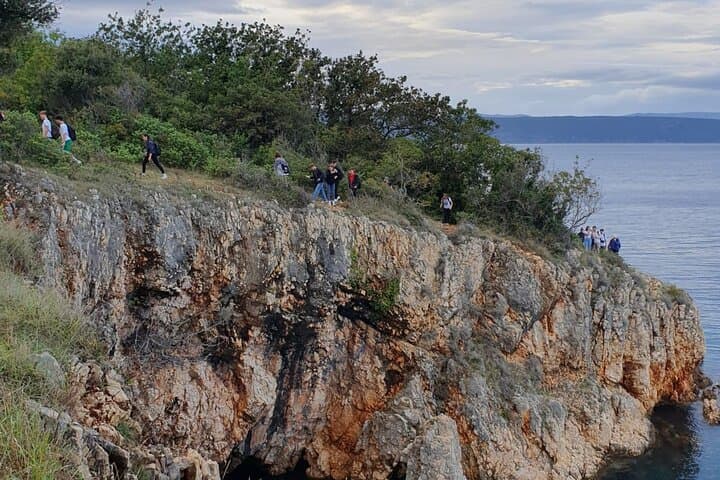
A cool breeze from the Adriatic cuts across the headland as you step off the village lane into low pines and scrub, the guide — a local biologist — already pointing out a patch of rare coastal orchids. The trail on Glavotok unfurls along rocky coves and through a small, ancient forest that frames an 11th–12th century church, each turn offering salt-slick views and quiet pockets of biodiversity.
Verified experiences and guided adventures in the surrounding area.
Operated by I.R.T.D.A. d.o.o. · Glavotok, Primorje-Gorski Kotar
A cool breeze from the Adriatic cuts across the headland as you step off the village lane into low pines and scrub, the guide — a local biologist — already pointing out a patch of rare coastal orchids. The trail on Glavotok unfurls along rocky coves and through a small, ancient forest that frames an 11th–12th century church, each turn offering salt-slick views and quiet pockets of biodiversity.
Geologically, Krk is limestone and karst: cliffs eroded by wind and sea, pockets of thin soil that force plants to toughen up. That pressure makes the flora here distinctive — low shrubs, aromatic herbs, and endemic grasses — and draws seabirds to the cliffs and coves. Culturally, Glavotok’s heritage blends maritime life with monastic history; the old church in the forest is a compact reminder of medieval island settlement.
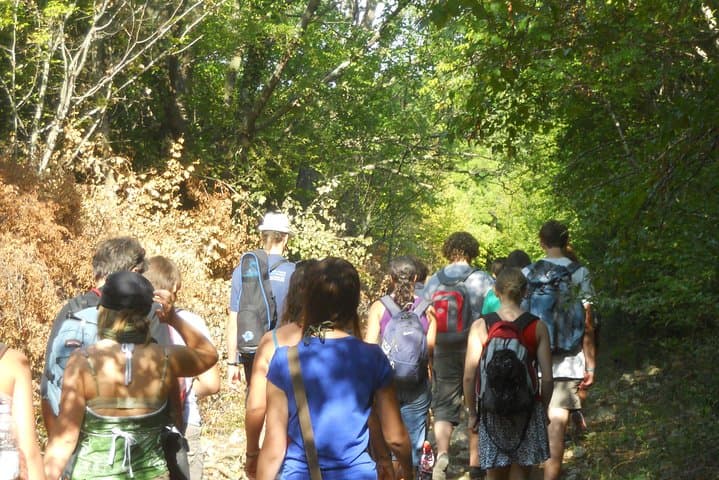
Expect about a three-hour outing across mixed terrain — dirt tracks, compacted coastal paths, and some rocky sections — covering roughly 4–6 km with minimal elevation gain (around 80–150 m cumulative). The biologist guide adds context: identification of plant communities, notes on nesting seasons, and why certain coves are important for marine life.
Practical side: wear sturdy walking shoes with good grip, carry 1–2 liters of water, and time the hike for morning or late afternoon to avoid midday heat. Binoculars and a small field guide amplify the experience, and follow leave-no-trace practices to protect fragile karst soils and nesting birds. The hike is conversational, educational, and accessible — ideal for travelers who want coastal scenery paired with scientific insight.
easy.
3 hours.
Suitable for most adults who can walk 4–6 km on uneven ground; little sustained elevation.
The tour lasts about three hours and covers roughly 4–6 km with modest elevation — classified as easy and suitable for most fitness levels.
Yes, the route includes the small 11th–12th century church located within the forest; the guide offers historical context during the stop.
The hike is family-friendly and generally suitable for older adults who can walk on uneven ground; check accessibility limitations with the operator if mobility is a concern.
Facilities are limited on the trail; bring water and use amenities in Glavotok or nearby Malinska before departing.
Glavotok’s small church dates to the 11th–12th century, reflecting early medieval monastic ties and the island’s long coastal settlement history.
Karst soils and coastal scrub are fragile; the area benefits from low-impact tourism and the guide emphasizes staying on paths to protect endemic plants and nesting birds.
I.R.T.D.A. d.o.o. operates guided outdoor trips and adventures with an emphasis on safety, stewardship, and memorable experiences.
A cool breeze from the Adriatic cuts across the headland as you step off the village lane into low pines and scrub, the guide — a local biologist — already pointing out a patch of rare coastal orchids. The trail on Glavotok unfurls along rocky coves and through a small, ancient forest that frames an 11th–12th century church, each turn offering salt-slick views and quiet pockets of biodiversity.
A cool breeze from the Adriatic cuts across the headland as you step off the village lane into low pines and scrub, the guide — a local biologist — already pointing out a patch of rare coastal orchids. The trail on Glavotok unfurls along rocky coves and through a small, ancient forest that frames an 11th–12th century church, each turn offering salt-slick views and quiet pockets of biodiversity.
Geologically, Krk is limestone and karst: cliffs eroded by wind and sea, pockets of thin soil that force plants to toughen up. That pressure makes the flora here distinctive — low shrubs, aromatic herbs, and endemic grasses — and draws seabirds to the cliffs and coves. Culturally, Glavotok’s heritage blends maritime life with monastic history; the old church in the forest is a compact reminder of medieval island settlement.
Expect about a three-hour outing across mixed terrain — dirt tracks, compacted coastal paths, and some rocky sections — covering roughly 4–6 km with minimal elevation gain (around 80–150 m cumulative). The biologist guide adds context: identification of plant communities, notes on nesting seasons, and why certain coves are important for marine life.
Practical side: wear sturdy walking shoes with good grip, carry 1–2 liters of water, and time the hike for morning or late afternoon to avoid midday heat. Binoculars and a small field guide amplify the experience, and follow leave-no-trace practices to protect fragile karst soils and nesting birds. The hike is conversational, educational, and accessible — ideal for travelers who want coastal scenery paired with scientific insight.