
Glass-Bottom Catamaran to Cap Norfeu and Tamariu Cave — Costa Brava Marine Tour
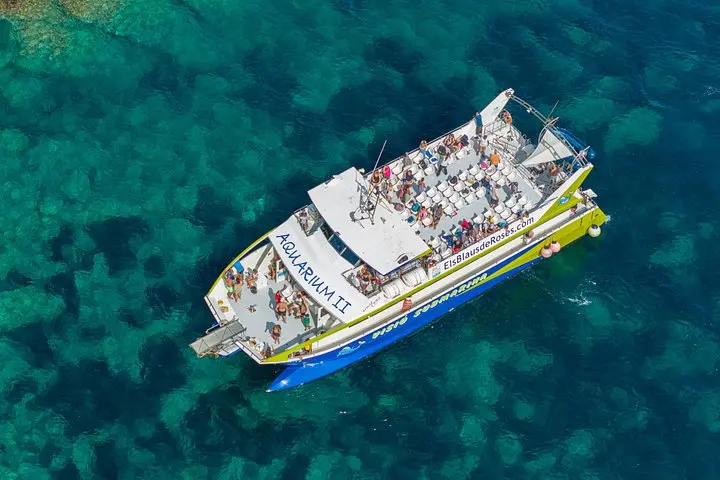
See the Costa Brava from above and below on a two-hour glass-bottom catamaran that sails past Cala Montjoi, Cap Norfeu’s Cat rock, and the Tamariu cave. Expect marine meadows, coastal cliffs, and a family-friendly outing with wildlife sightings possible.
An Adventure In Roses.
See the Costa Brava from above and below on a two-hour glass-bottom catamaran that sails past Cala Montjoi, Cap Norfeu’s Cat rock, and the Tamariu cave. Expect marine meadows, coastal cliffs, and a family-friendly outing with wildlife sightings possible.
Read the full experience
Sunlight slips through the Mediterranean and lights the seabed as the catamaran eases away from the harbor. From the glass-pane beneath the deck, bands of seagrass and the darting shapes of fish scroll past like a living map; cliffs at Cap de Creus rise behind, raw and wind-scoured, daring you to look harder.
Sunlight slips through the Mediterranean and lights the seabed as the catamaran eases away from the harbor. From the glass-pane beneath the deck, bands of seagrass and the darting shapes of fish scroll past like a living map; cliffs at Cap de Creus rise behind, raw and wind-scoured, daring you to look harder.
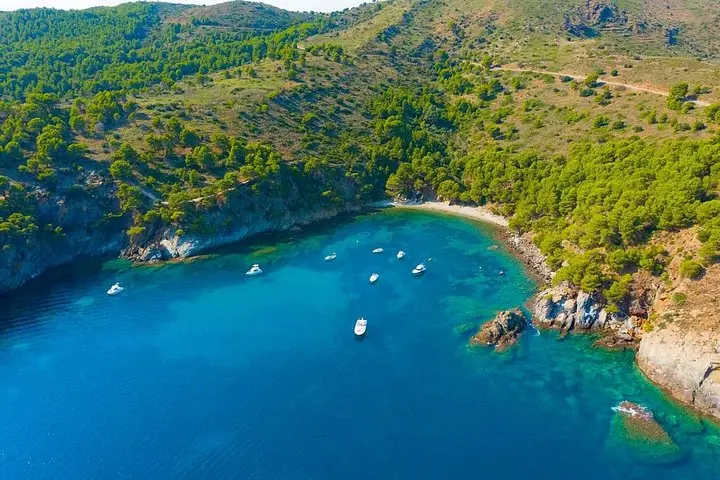
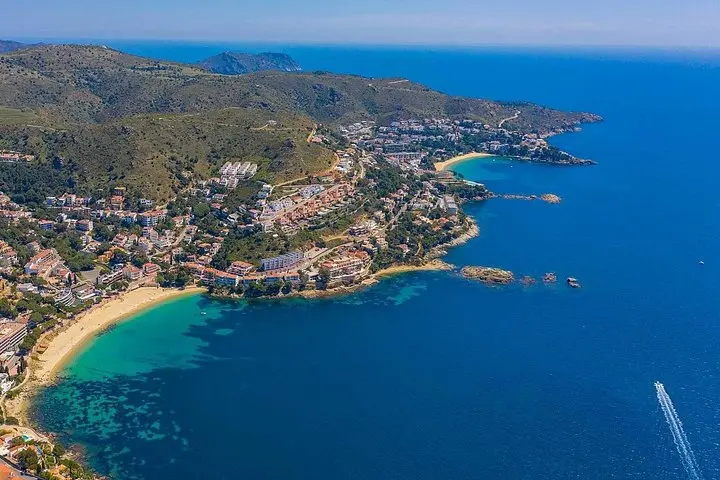
This two-hour marine loop traces coves and headlands that have long shaped local life — small fishing harbors, stone shelters, and the modern legend of El Bulli at Cala Montjoi. Geologically the headland is a study in resistant rock and coastal erosion: boulders and folded strata reveal a violent past of uplift and sea-wear. Culturally, the coast still wears its maritime rhythms — boats, fishers, and coastal hamlets that tune to tides and winds.
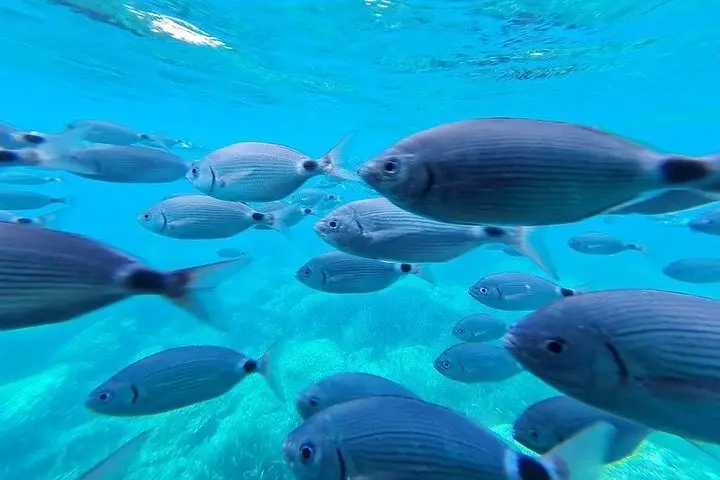
Expect a mix of terrestrial and underwater scenery: submarine viewing windows highlight Posidonia meadows, sea urchins, and colorful reef fish, while the surface route passes Punta Falconera, the Cat rock at Cap Norfeu, and (weather permitting) the narrow Tamariu cave entrance accessible only by boat. Dolphins may appear on good days.
Practical guidance: tours run about two hours and are family-friendly and largely accessible; bring sun protection, motion-sickness prevention if sensitive, and a light windbreaker for open-deck gusts. Morning or late-afternoon departures reduce harsh midday light for underwater viewing. Respect marine life by not feeding or touching animals and follow crew instructions when entering caves — conditions change quickly. The trip is an efficient, scenic way to read the Costa Brava from sea level and from beneath it.
Frequently asked questions
Most departures are from the Roses area and the standard tour lasts about two hours, circling coves and key headlands in Cap de Creus.
Entry to the cave is weather- and sea-state-dependent; the crew will decide on safety grounds and may substitute with extended coastline viewing.
Yes—glass-bottom areas are family-friendly, though small children should be supervised near viewing windows and around movement on deck.
Common sightings include coastal fish, starfish, sea urchins visible through the glass, and occasional dolphin pods or seabirds at the surface.
About This Experience
Els Blaus de Roses operates guided outdoor trips and adventures with an emphasis on safety, stewardship, and memorable experiences.
Adventure tips
Recommended gear
- Sunscreen & lip balm: Protects against strong reflected UV while on open deck.
- Light windbreaker: Shield against cool sea breezes and spray, especially in morning or late tours.
- Motion-sickness medication or wristbands: Useful for those sensitive to boat movement on choppy days.
- Waterproof camera or phone case: Keeps your electronics safe while photographing caves, cliffs, and marine life.
Photos of the experience
Related adventures & guides
Read the full experience
Sunlight slips through the Mediterranean and lights the seabed as the catamaran eases away from the harbor. From the glass-pane beneath the deck, bands of seagrass and the darting shapes of fish scroll past like a living map; cliffs at Cap de Creus rise behind, raw and wind-scoured, daring you to look harder.
Sunlight slips through the Mediterranean and lights the seabed as the catamaran eases away from the harbor. From the glass-pane beneath the deck, bands of seagrass and the darting shapes of fish scroll past like a living map; cliffs at Cap de Creus rise behind, raw and wind-scoured, daring you to look harder.
This two-hour marine loop traces coves and headlands that have long shaped local life — small fishing harbors, stone shelters, and the modern legend of El Bulli at Cala Montjoi. Geologically the headland is a study in resistant rock and coastal erosion: boulders and folded strata reveal a violent past of uplift and sea-wear. Culturally, the coast still wears its maritime rhythms — boats, fishers, and coastal hamlets that tune to tides and winds.
Expect a mix of terrestrial and underwater scenery: submarine viewing windows highlight Posidonia meadows, sea urchins, and colorful reef fish, while the surface route passes Punta Falconera, the Cat rock at Cap Norfeu, and (weather permitting) the narrow Tamariu cave entrance accessible only by boat. Dolphins may appear on good days.
Practical guidance: tours run about two hours and are family-friendly and largely accessible; bring sun protection, motion-sickness prevention if sensitive, and a light windbreaker for open-deck gusts. Morning or late-afternoon departures reduce harsh midday light for underwater viewing. Respect marine life by not feeding or touching animals and follow crew instructions when entering caves — conditions change quickly. The trip is an efficient, scenic way to read the Costa Brava from sea level and from beneath it.
Make a day of it nearby.
Verified experiences and guided adventures in the surrounding area.