THE ADVENTURE COLLECTIVE® · Independent discovery and booking for outdoor travel

See the Thousand Islands from above and below on a 2.5–3 hour glass-bottom cruise to Rock Island Lighthouse. Naturalists narrate wildlife and shipwreck stories, and visitors can climb the lighthouse and tour the keeper’s cottage museum.
See the Thousand Islands from above and below on a 2.5–3 hour glass-bottom cruise to Rock Island Lighthouse. Naturalists narrate wildlife and shipwreck stories, and visitors can climb the lighthouse and tour the keeper’s cottage museum.
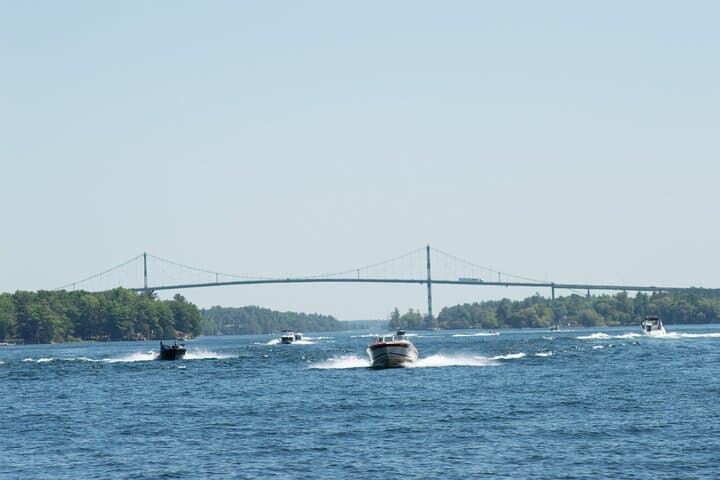
A low sun slants across the St. Lawrence and the glass-bottom Night Heron slips through scattered islands, the river’s current nudging the hull as gulls quarrel above. From the viewing bench you can watch shoals and submerged wreck timbers pass beneath the glass plate—cold, clear water revealing the unseen world that shapes the Thousand Islands.
Verified experiences and guided adventures in the surrounding area.
Operated by Clayton Island Tours, LLC · Clayton, New York
A low sun slants across the St. Lawrence and the glass-bottom Night Heron slips through scattered islands, the river’s current nudging the hull as gulls quarrel above. From the viewing bench you can watch shoals and submerged wreck timbers pass beneath the glass plate—cold, clear water revealing the unseen world that shapes the Thousand Islands.
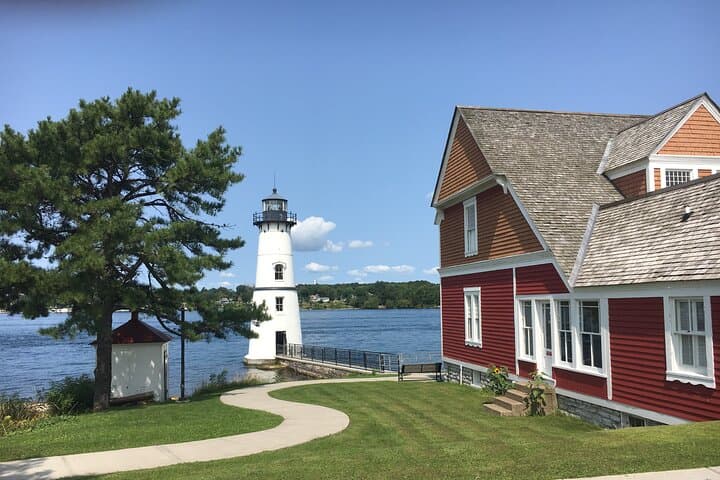
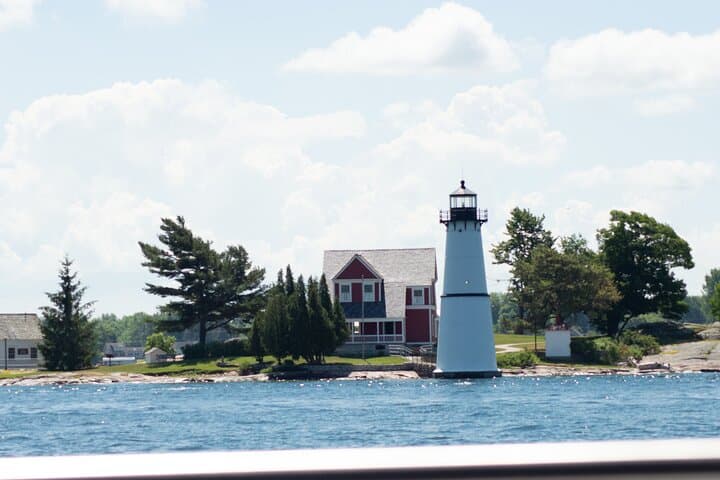
This stretch of the St. Lawrence has been a corridor for Indigenous people, colonial merchants and 19th-century steamers. Rock Island Lighthouse, built in stages in the late 1800s, guided those vessels through shoals carved of ancient Ordovician limestone and glacial scours. The islands themselves are bedrock outcrops left by retreating ice, their cliffs and shallow channels creating a patchwork of habitat that draws ospreys, loons and mink.
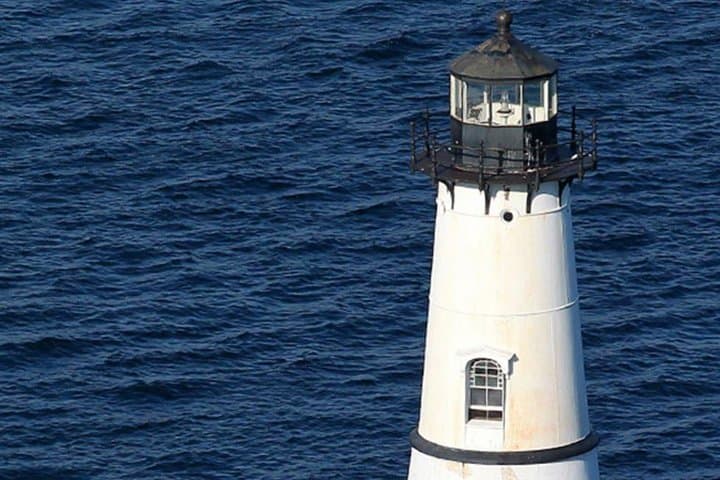
On arrival you’ll climb the lighthouse stair to the lantern room for a birds-eye take on the shipping channel, then tour the keeper’s cottage museum where maritime equipment and local lore explain daily life on the light. Naturalist narration links sightings on deck with the ecology beneath the glass hull.
Practical guidance: tours run about 2.5–3 hours—arrive 30 minutes early to get boarding passes. Bring binoculars for birding, a windproof layer and waterproof footwear; the boat has restrooms but exposed decks can be chilly. Expect easy walking on island trails and uneven stone steps in the tower. Photography through the glass is best in mid-morning or late afternoon; midday glare can wash out underwater views. For quieter wildlife watching, choose shoulder seasons and keep voices low while ashore.
easy.
2–3 hours.
Suitable for most fitness levels—requires short walks and climbing a narrow lighthouse staircase.
The cruise lasts about 2.5–3 hours and includes narrated glass-bottom viewing, stops among the Thousand Islands, and admission to Rock Island Lighthouse and the keeper’s cottage museum.
Yes—this operator lists wheelchair accessibility for transportation and boarding; contact them ahead for specific assistance needs.
Pets are not allowed on Rock Island, but service animals are permitted; plan accordingly if you travel with a companion animal.
No passport is required for this U.S.-based departure and island visit, but always carry ID and check operator instructions before boarding.
Rock Island Lighthouse and keeper’s cottage date to the late 19th century and reflect the era when local lights were essential to guiding steamers and barges through shoals.
The Thousand Islands are sensitive freshwater habitats—stick to marked paths, avoid feeding wildlife, and pack out any trash to minimize impact.
Clayton Island Tours, LLC operates guided outdoor trips and adventures with an emphasis on safety, stewardship, and memorable experiences.
A low sun slants across the St. Lawrence and the glass-bottom Night Heron slips through scattered islands, the river’s current nudging the hull as gulls quarrel above. From the viewing bench you can watch shoals and submerged wreck timbers pass beneath the glass plate—cold, clear water revealing the unseen world that shapes the Thousand Islands.
A low sun slants across the St. Lawrence and the glass-bottom Night Heron slips through scattered islands, the river’s current nudging the hull as gulls quarrel above. From the viewing bench you can watch shoals and submerged wreck timbers pass beneath the glass plate—cold, clear water revealing the unseen world that shapes the Thousand Islands.
This stretch of the St. Lawrence has been a corridor for Indigenous people, colonial merchants and 19th-century steamers. Rock Island Lighthouse, built in stages in the late 1800s, guided those vessels through shoals carved of ancient Ordovician limestone and glacial scours. The islands themselves are bedrock outcrops left by retreating ice, their cliffs and shallow channels creating a patchwork of habitat that draws ospreys, loons and mink.
On arrival you’ll climb the lighthouse stair to the lantern room for a birds-eye take on the shipping channel, then tour the keeper’s cottage museum where maritime equipment and local lore explain daily life on the light. Naturalist narration links sightings on deck with the ecology beneath the glass hull.
Practical guidance: tours run about 2.5–3 hours—arrive 30 minutes early to get boarding passes. Bring binoculars for birding, a windproof layer and waterproof footwear; the boat has restrooms but exposed decks can be chilly. Expect easy walking on island trails and uneven stone steps in the tower. Photography through the glass is best in mid-morning or late afternoon; midday glare can wash out underwater views. For quieter wildlife watching, choose shoulder seasons and keep voices low while ashore.