THE ADVENTURE COLLECTIVE® · Independent discovery and booking for outdoor travel

Explore the seabed without getting cold on a glass-bottom boat around the protected Ilhéu de Vila Franca do Campo, then snorkel guided among basalt ledges and dense algae beds. This two-hour marine outing pairs accessible viewing with expert naturalist interpretation.
Explore the seabed without getting cold on a glass-bottom boat around the protected Ilhéu de Vila Franca do Campo, then snorkel guided among basalt ledges and dense algae beds. This two-hour marine outing pairs accessible viewing with expert naturalist interpretation.
You step onto the Marina at Vila Franca do Campo with salt on the air and the islet’s flat crown cutting the horizon like a low, volcanic watchtower. The glass-bottom hull hums as the boat slips away from the quay; beneath the viewing panels the Atlantic sorts light into bands and reveals a reef-scattered floor where wrasse and small octopus move through rocky gardens.
Verified experiences and guided adventures in the surrounding area.
Operated by OceanEye Azores · Vila Franca do Campo, Azores
You step onto the Marina at Vila Franca do Campo with salt on the air and the islet’s flat crown cutting the horizon like a low, volcanic watchtower. The glass-bottom hull hums as the boat slips away from the quay; beneath the viewing panels the Atlantic sorts light into bands and reveals a reef-scattered floor where wrasse and small octopus move through rocky gardens.
This short coastal voyage focuses on a protected marine reserve formed by ancient eruptions and sea-sculpted basalt. The Ilhéu de Vila Franca do Campo is a remnant of explosive activity and coastal collapse; currents here concentrate nutrient flows that sustain diverse benthic life. Culturally, the islet has long been a seasonal refuge for fishermen and a summer swim spot for locals — today it’s managed for conservation and low-impact visitation.
Your guide is a biologist who points out endemic algae, small Atlantic fish, and the role of underwater cliffs in sheltering juvenile species. After the glass-bottom survey, you don fins and mask to snorkel at the islet’s lee, moving with the guide through kelp fronds and along shallow basalt ledges.
Practically: trips run about two hours, require no prior experience, and include snorkel kit, a skipper and insurance. Wear a swim layer, a light waterproof and reef-safe sunscreen; expect sun, spray and occasional swell. Timing for calm water is mid-morning to early afternoon; seas can change quickly, so bring a seasickness remedy if you’re prone. The experience balances easy access with meaningful wildlife viewing — a compact, educational marine outing on São Miguel.
easy.
2 hours.
Suitable for most fitness levels; requires basic mobility to board the boat and enter shallow water while snorkeling.
No prior experience is required; guides provide instruction and stay close to snorkelers in shallow water.
The operator lists wheelchair accessibility for their facilities, but boarding a small boat and snorkeling require mobility; contact the operator in advance to discuss needs.
Expect wrasses, blennies, small groupers, limpets, and diverse algae; larger pelagics are occasional but uncommon in the reserve’s shallows.
Infants must sit on a lap; for snorkeling the operator generally advises that participants be old enough to use a mask and follow safety briefings—check on booking for age specifics.
The islet is a volcanic remnant shaped by explosive eruptions and coastal erosion; it has been used historically by fishermen and more recently managed as a protected reserve for marine biodiversity.
Visits are regulated to limit impact on sensitive habitats; using provided guides and reef-safe products helps protect spawning grounds and algae beds.
OceanEye Azores operates guided outdoor trips and adventures with an emphasis on safety, stewardship, and memorable experiences.
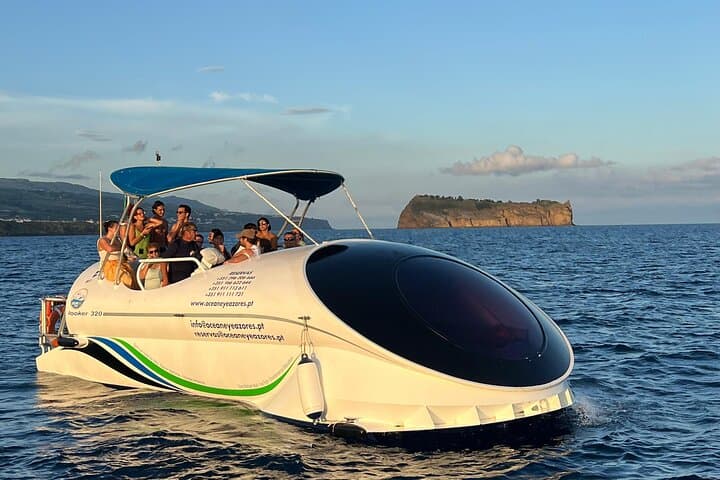
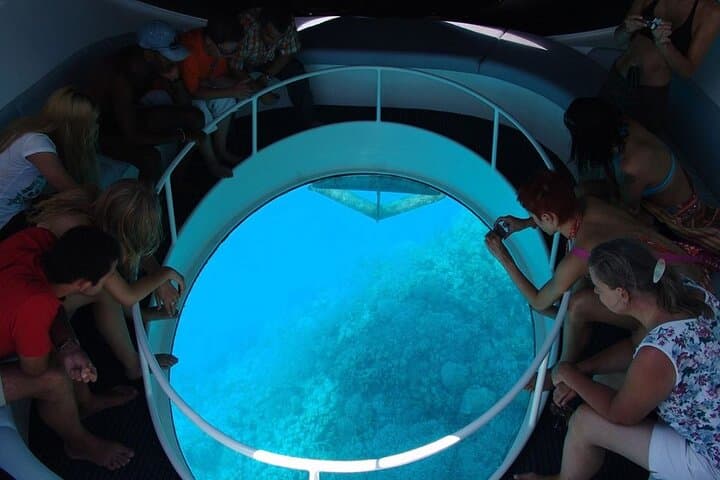
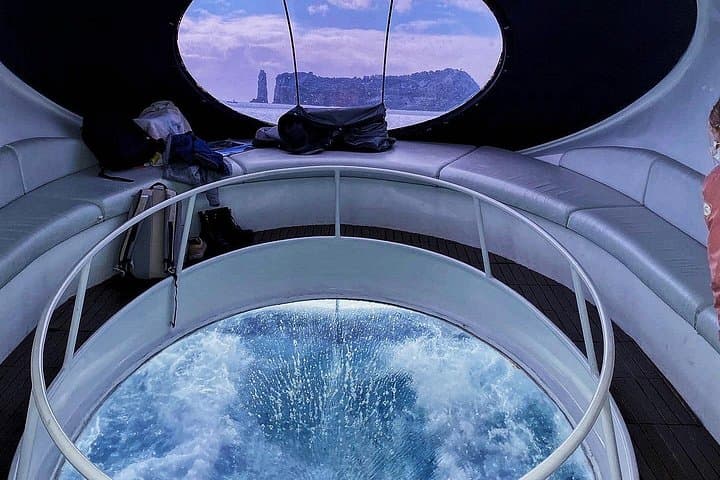
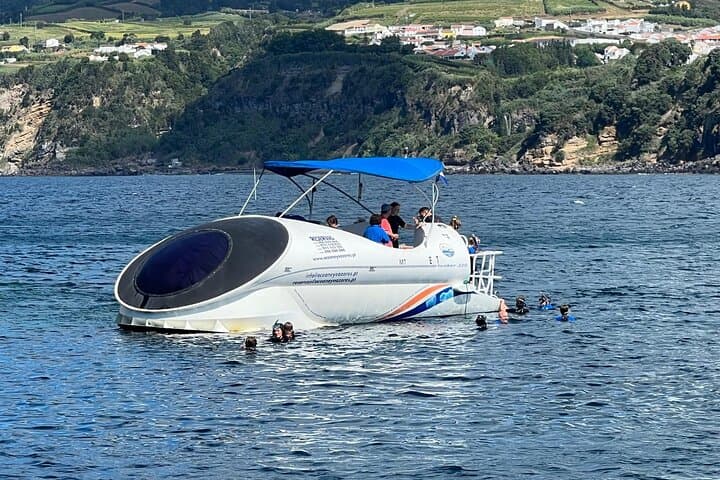
You step onto the Marina at Vila Franca do Campo with salt on the air and the islet’s flat crown cutting the horizon like a low, volcanic watchtower. The glass-bottom hull hums as the boat slips away from the quay; beneath the viewing panels the Atlantic sorts light into bands and reveals a reef-scattered floor where wrasse and small octopus move through rocky gardens.
You step onto the Marina at Vila Franca do Campo with salt on the air and the islet’s flat crown cutting the horizon like a low, volcanic watchtower. The glass-bottom hull hums as the boat slips away from the quay; beneath the viewing panels the Atlantic sorts light into bands and reveals a reef-scattered floor where wrasse and small octopus move through rocky gardens.
This short coastal voyage focuses on a protected marine reserve formed by ancient eruptions and sea-sculpted basalt. The Ilhéu de Vila Franca do Campo is a remnant of explosive activity and coastal collapse; currents here concentrate nutrient flows that sustain diverse benthic life. Culturally, the islet has long been a seasonal refuge for fishermen and a summer swim spot for locals — today it’s managed for conservation and low-impact visitation.
Your guide is a biologist who points out endemic algae, small Atlantic fish, and the role of underwater cliffs in sheltering juvenile species. After the glass-bottom survey, you don fins and mask to snorkel at the islet’s lee, moving with the guide through kelp fronds and along shallow basalt ledges.
Practically: trips run about two hours, require no prior experience, and include snorkel kit, a skipper and insurance. Wear a swim layer, a light waterproof and reef-safe sunscreen; expect sun, spray and occasional swell. Timing for calm water is mid-morning to early afternoon; seas can change quickly, so bring a seasickness remedy if you’re prone. The experience balances easy access with meaningful wildlife viewing — a compact, educational marine outing on São Miguel.