THE ADVENTURE COLLECTIVE® · Independent discovery and booking for outdoor travel

Spend an eight-hour day from Queen Street Station touring three of five possible Scottish distilleries, sampling drams and learning how landscape and industry shape single malts. Ideal for visitors who want guided tastings with local storytelling and scenic drives between sites.
Spend an eight-hour day from Queen Street Station touring three of five possible Scottish distilleries, sampling drams and learning how landscape and industry shape single malts. Ideal for visitors who want guided tastings with local storytelling and scenic drives between sites.
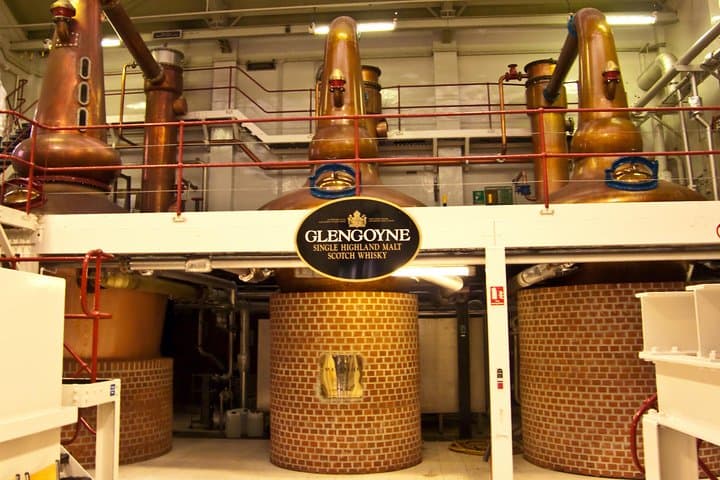
A damp morning in Glasgow lifts from granite streets as the minibus eases away from Queen Street Station, windows fogging with expectation. By mid-morning you’re tracing a route where river valleys push through low hills, and peat-edged waters dare the barley to reveal their flavour. The day is a rolling sequence of copper stills, polished barrels and tasting rooms where steam and malt perfume the air.
Verified experiences and guided adventures in the surrounding area.
Operated by Serca Tours · Glasgow, Scotland
A damp morning in Glasgow lifts from granite streets as the minibus eases away from Queen Street Station, windows fogging with expectation. By mid-morning you’re tracing a route where river valleys push through low hills, and peat-edged waters dare the barley to reveal their flavour. The day is a rolling sequence of copper stills, polished barrels and tasting rooms where steam and malt perfume the air.
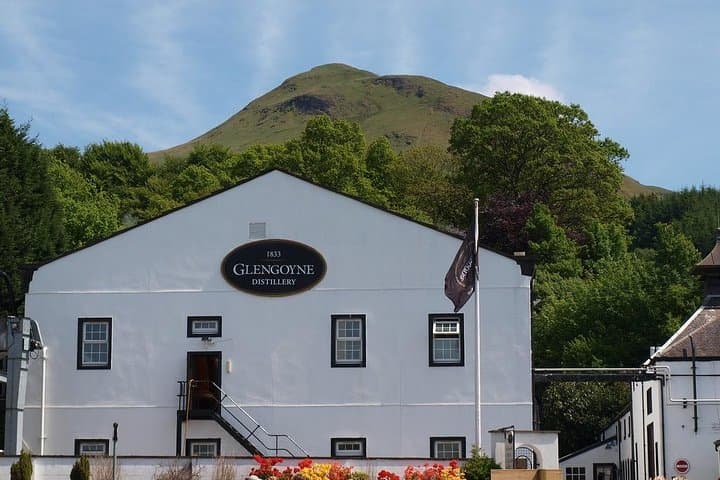
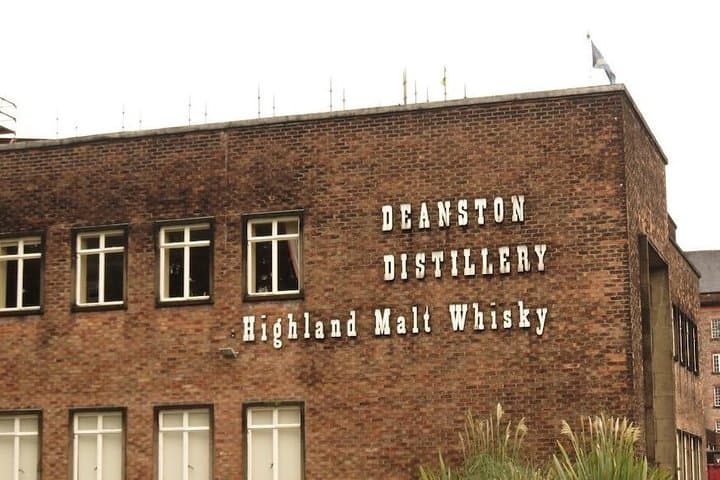
Scotland’s whisky story is tied to geography: Highland pot stills give spicier spirits, Lowland maturation softens them, and sites like Glengoyne sit on that divide — spirit made in one landscape, matured in another. Deanston’s buildings began life as an 18th-century cotton mill; Auchentoshan carries Glasgow’s industrial-era spirit into single-malt traditions. The guide’s local commentary threads geology, industrial heritage and farming rhythms into each pour.
Expect three distilleries from a pool of five, each visit running about 60–90 minutes with guided tours and tastings (entrance fees sometimes separate). Tastings are paced; your group size is small and the driver points out landmarks en route. Photography is fine in many spaces but respect production areas and staff instructions.
Practical notes: bring government ID for tastings, dress for changeable weather between short outdoor walks, and hydrate—peat and alcohol hit differently when you’ve been on the road. Book in advance to secure preferred pick-up times and request specific distilleries when availability matters. This is part cultural history, part hands-on tasting circuit — a day that moves at the rhythm of barley, water and time.
easy.
8 hours.
Suitable for most fitness levels; involves short walks and standing during tours and tastings
The tour visits three distilleries selected from a rotation of five; which three depends on availability and any preferences you state when booking.
Tastings and tours are included as part of the experience, but some distilleries may charge a separate admission fee—confirm on booking.
The tour departs from the bus stop outside Queen Street Station in central Glasgow and returns there at the end of the day.
Pickup options can be arranged—answer booking questions about arrival times and pickup preferences to coordinate transfers.
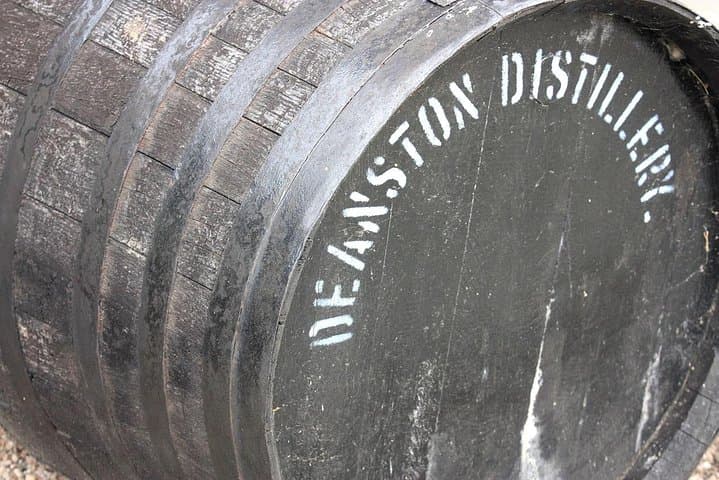
Deanston was converted from a 1785 cotton mill into a distillery, reflecting Scotland’s industrial shift into brewing and distilling; Auchentoshan carries links to Glasgow’s whisky-making near the River Clyde.
Many distilleries now prioritize water management and peatland restoration; visitors are encouraged to follow onsite guidance and avoid disturbing local habitats.
Serca Tours operates guided outdoor trips and adventures with an emphasis on safety, stewardship, and memorable experiences.
A damp morning in Glasgow lifts from granite streets as the minibus eases away from Queen Street Station, windows fogging with expectation. By mid-morning you’re tracing a route where river valleys push through low hills, and peat-edged waters dare the barley to reveal their flavour. The day is a rolling sequence of copper stills, polished barrels and tasting rooms where steam and malt perfume the air.
A damp morning in Glasgow lifts from granite streets as the minibus eases away from Queen Street Station, windows fogging with expectation. By mid-morning you’re tracing a route where river valleys push through low hills, and peat-edged waters dare the barley to reveal their flavour. The day is a rolling sequence of copper stills, polished barrels and tasting rooms where steam and malt perfume the air.
Scotland’s whisky story is tied to geography: Highland pot stills give spicier spirits, Lowland maturation softens them, and sites like Glengoyne sit on that divide — spirit made in one landscape, matured in another. Deanston’s buildings began life as an 18th-century cotton mill; Auchentoshan carries Glasgow’s industrial-era spirit into single-malt traditions. The guide’s local commentary threads geology, industrial heritage and farming rhythms into each pour.
Expect three distilleries from a pool of five, each visit running about 60–90 minutes with guided tours and tastings (entrance fees sometimes separate). Tastings are paced; your group size is small and the driver points out landmarks en route. Photography is fine in many spaces but respect production areas and staff instructions.
Practical notes: bring government ID for tastings, dress for changeable weather between short outdoor walks, and hydrate—peat and alcohol hit differently when you’ve been on the road. Book in advance to secure preferred pick-up times and request specific distilleries when availability matters. This is part cultural history, part hands-on tasting circuit — a day that moves at the rhythm of barley, water and time.