THE ADVENTURE COLLECTIVE® · Independent discovery and booking for outdoor travel

This full-day shore excursion from Greenock pairs towering public art and ingenious engineering with Glasgow’s medieval and Victorian highlights. In seven hours, see the Kelpies, ride the gaze to the Falkirk Wheel, and walk Glasgow’s cathedral quarter and Kelvingrove.
This full-day shore excursion from Greenock pairs towering public art and ingenious engineering with Glasgow’s medieval and Victorian highlights. In seven hours, see the Kelpies, ride the gaze to the Falkirk Wheel, and walk Glasgow’s cathedral quarter and Kelvingrove.
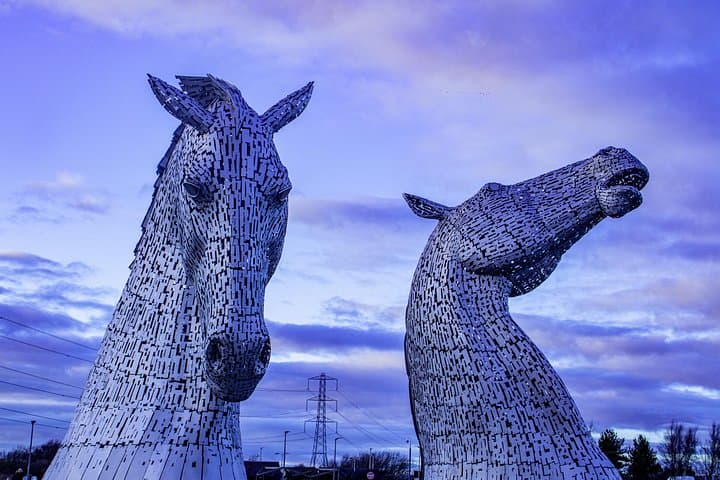
You step off the ship at Greenock and the River Clyde seems to lean toward the road, urging you inland. The coach hums along low hills and ribboning canals until the Kelpies rise out of the flatlands—two 30m steel horses that command the horizon and look as if they might stride into the Forth at any moment.
Verified experiences and guided adventures in the surrounding area.
Operated by E2G Travel · Glasgow, Scotland
You step off the ship at Greenock and the River Clyde seems to lean toward the road, urging you inland. The coach hums along low hills and ribboning canals until the Kelpies rise out of the flatlands—two 30m steel horses that command the horizon and look as if they might stride into the Forth at any moment.
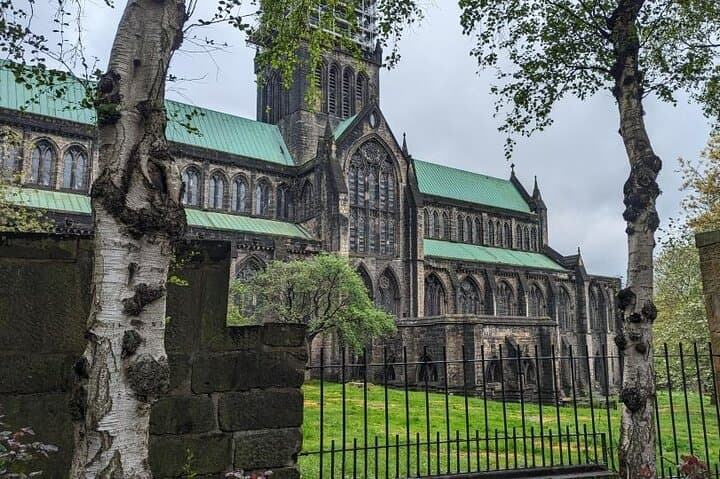
This seven-hour shore excursion stitches modern engineering and medieval stone into a single day. The Kelpies (Andy Scott, 2013) celebrate Scotland’s working-horse heritage beside the Forth & Clyde Canal; the Falkirk Wheel (2002) is a rotating boat lift that physically reconnects the Union and Forth & Clyde canals—an elegant, twenty-first-century answer to Victorian industry. Glasgow’s streets follow that industrial pulse: Victorian universities and terracotta fountains, medieval stained glass at Glasgow Cathedral, and Kelvingrove’s eclectic collections all speak to a city shaped by trade, shipbuilding, and civic pride.
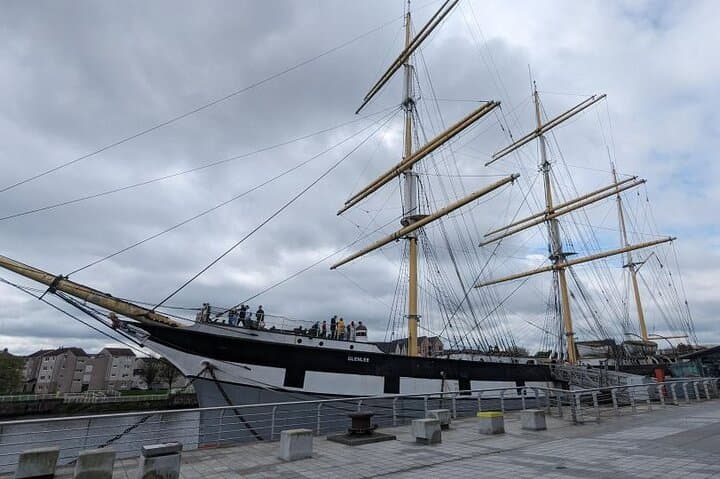
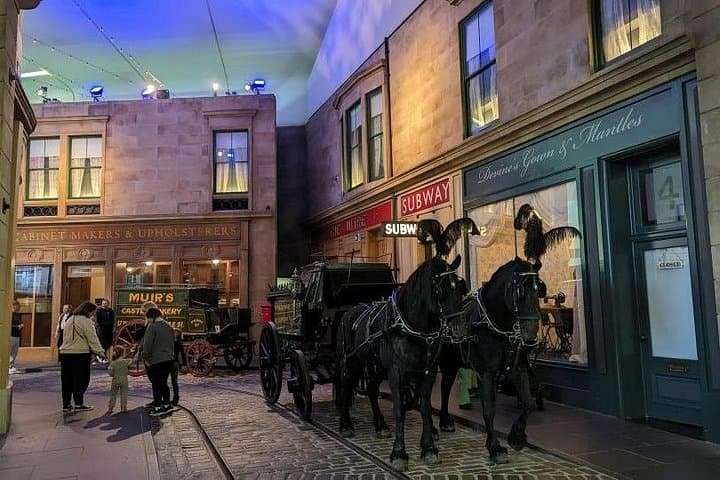
Expect cityscapes and waterways more than wilderness—cobblestones underfoot, river spray on the breeze, and viewpoints that favor architecture over alpine panoramas. The itinerary includes short on-foot segments: the Cathedral precinct and Necropolis slopes, a West End stroll to Kelvingrove, and a quick stop at the Transport Museum and Glenlee tall ship if time allows.
Practical tips: dress in waterproof layers, wear comfortable walking shoes, and bring a charged camera. Timing matters—start early from Greenock to beat afternoon traffic and make the most of museum windows. Accessibility is good: the tour notes wheelchair-accessible transport and gentle walking. For a single port day, this trip packs Glasgow’s history, engineering feats, and public art into one efficient, view-filled loop.
easy.
6–8 hours.
Suitable for most fitness levels; involves several short walks and some stairs around museums and viewpoints.
The tour runs about seven hours and departs from Greenock port; transport back to the ship is included in the duration.
Yes—transportation is wheelchair accessible and walking portions are described as suitable for most abilities; notify operator of accessibility needs at booking.
Yes, standard shore-excursion practice allows you to store small luggage on board; confirm with the provider before departure.
Glasgow grew on shipbuilding and trade; the canals and the Falkirk Wheel reflect centuries of engineering to move goods and vessels across Scotland.
The canals are managed for navigation and wildlife; stay on paths, avoid feeding wildlife, and respect historic fabric when visiting monuments.
E2G Travel operates guided outdoor trips and adventures with an emphasis on safety, stewardship, and memorable experiences.
You step off the ship at Greenock and the River Clyde seems to lean toward the road, urging you inland. The coach hums along low hills and ribboning canals until the Kelpies rise out of the flatlands—two 30m steel horses that command the horizon and look as if they might stride into the Forth at any moment.
You step off the ship at Greenock and the River Clyde seems to lean toward the road, urging you inland. The coach hums along low hills and ribboning canals until the Kelpies rise out of the flatlands—two 30m steel horses that command the horizon and look as if they might stride into the Forth at any moment.
This seven-hour shore excursion stitches modern engineering and medieval stone into a single day. The Kelpies (Andy Scott, 2013) celebrate Scotland’s working-horse heritage beside the Forth & Clyde Canal; the Falkirk Wheel (2002) is a rotating boat lift that physically reconnects the Union and Forth & Clyde canals—an elegant, twenty-first-century answer to Victorian industry. Glasgow’s streets follow that industrial pulse: Victorian universities and terracotta fountains, medieval stained glass at Glasgow Cathedral, and Kelvingrove’s eclectic collections all speak to a city shaped by trade, shipbuilding, and civic pride.
Expect cityscapes and waterways more than wilderness—cobblestones underfoot, river spray on the breeze, and viewpoints that favor architecture over alpine panoramas. The itinerary includes short on-foot segments: the Cathedral precinct and Necropolis slopes, a West End stroll to Kelvingrove, and a quick stop at the Transport Museum and Glenlee tall ship if time allows.
Practical tips: dress in waterproof layers, wear comfortable walking shoes, and bring a charged camera. Timing matters—start early from Greenock to beat afternoon traffic and make the most of museum windows. Accessibility is good: the tour notes wheelchair-accessible transport and gentle walking. For a single port day, this trip packs Glasgow’s history, engineering feats, and public art into one efficient, view-filled loop.